


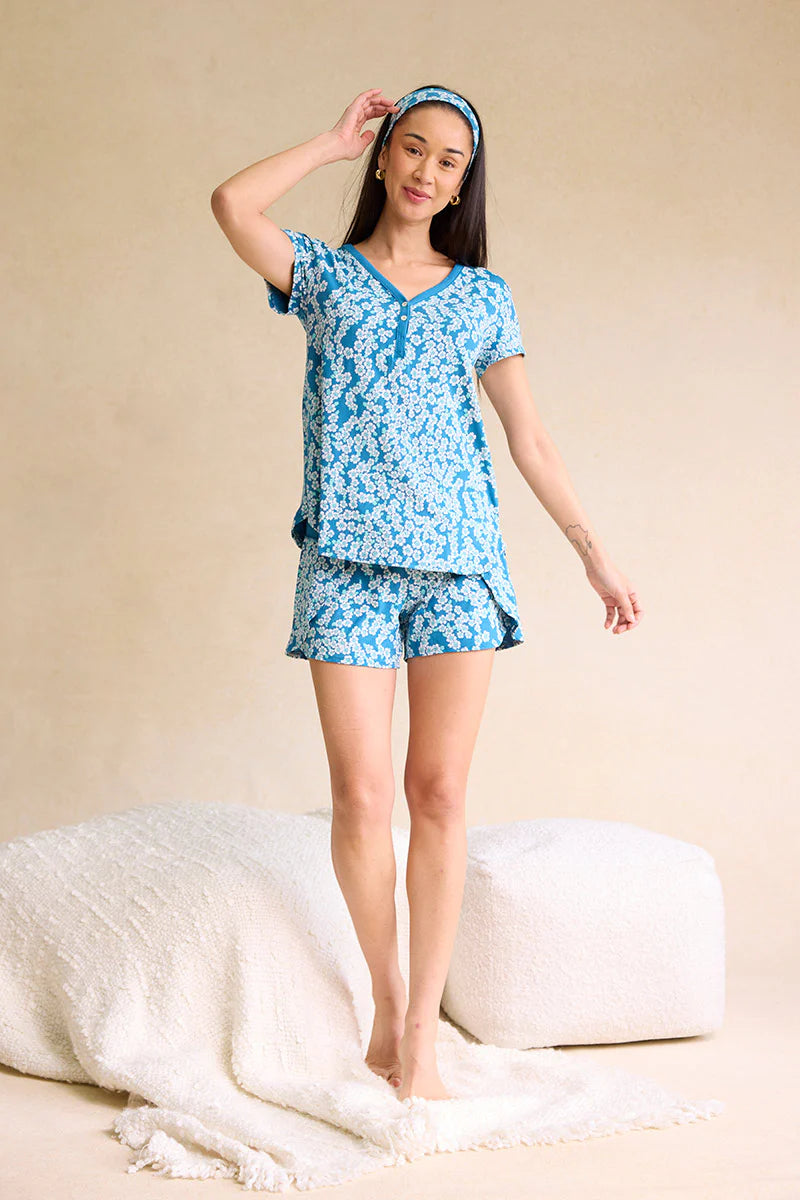
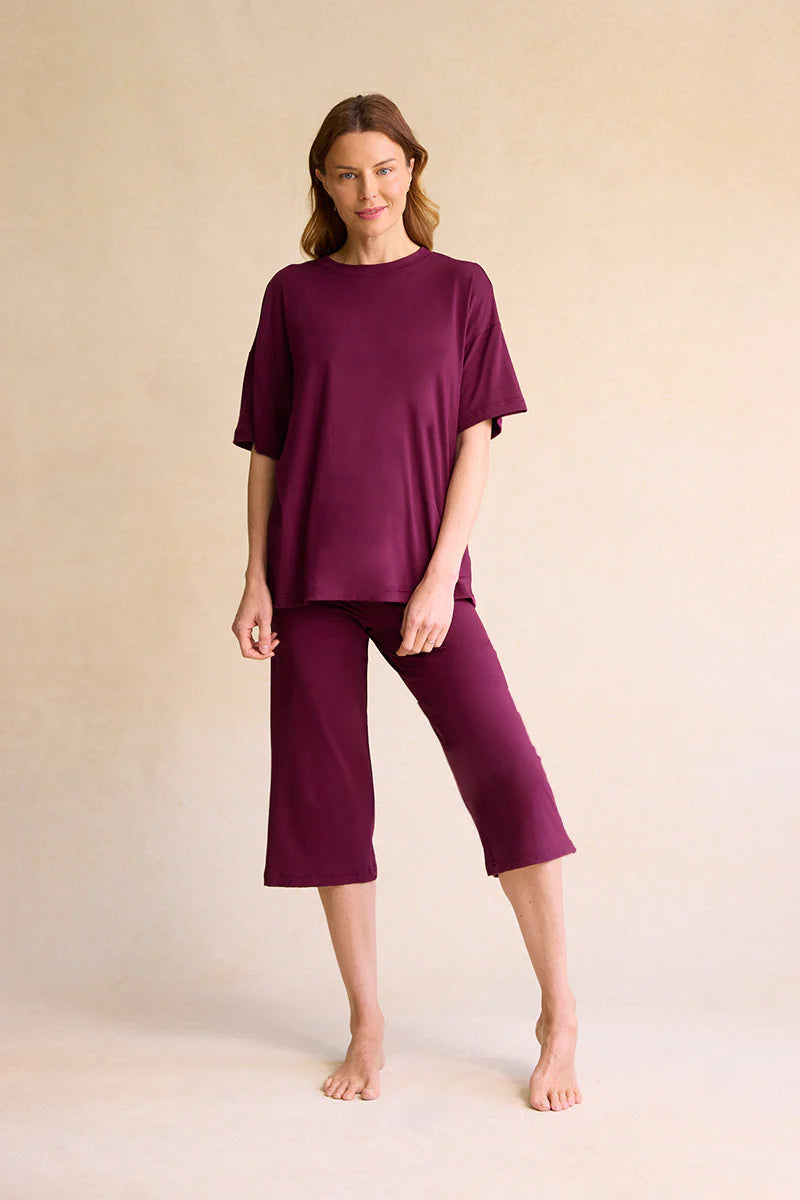
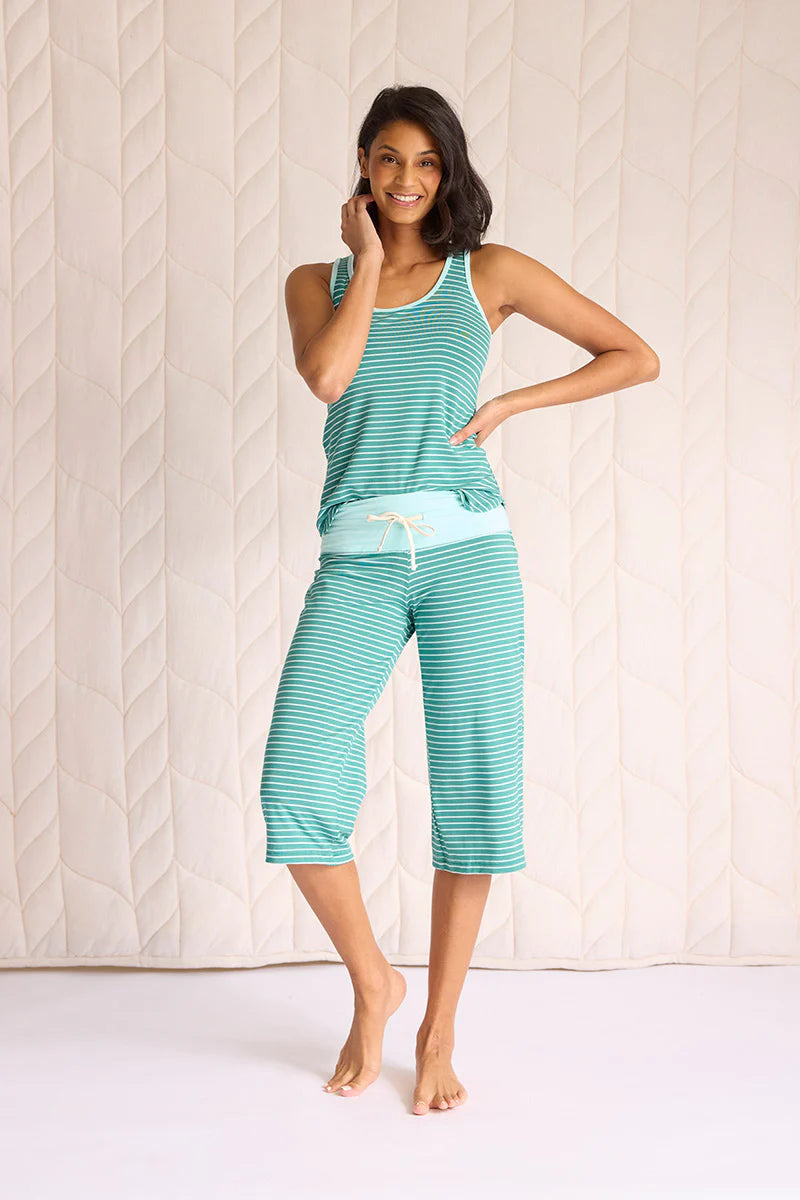
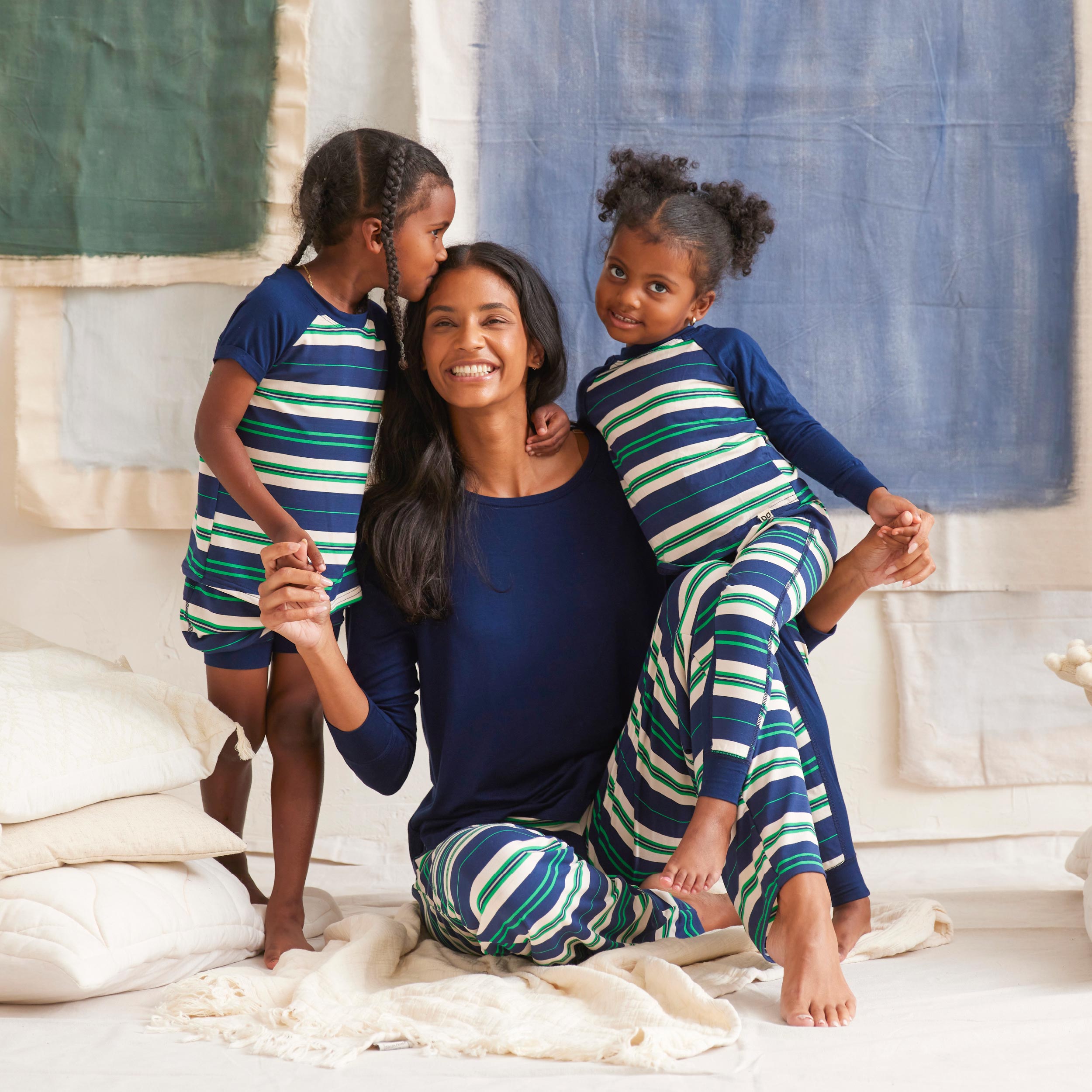
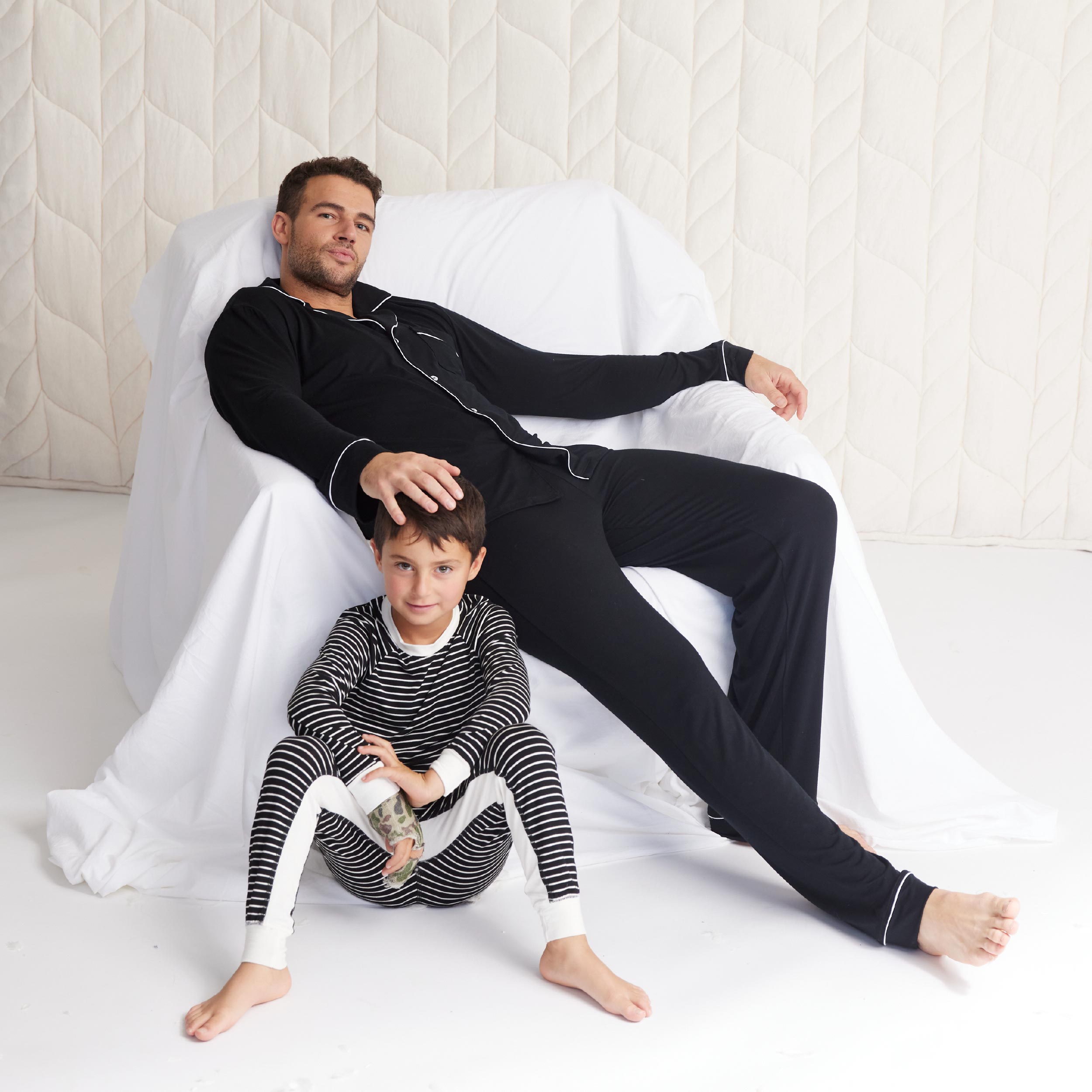
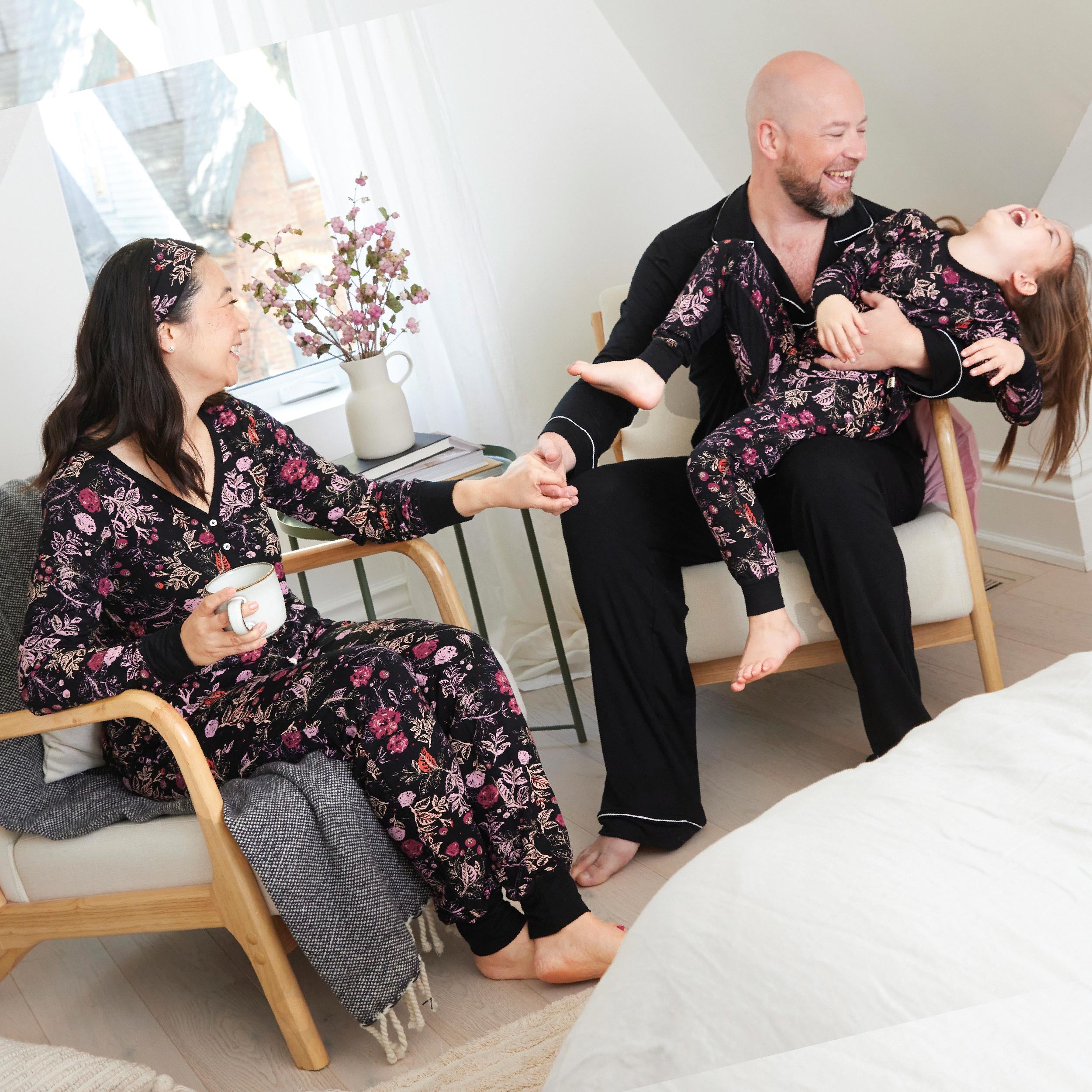

When it comes to eco-friendly choices for pajamas bamboo vs modal fabric sleepwear is the grand debate. Both fabric choices offer softness, breathability, and moisture-wicking properties, especially when compared to cotton, but which is truly the better pick?
Today, This Is J’s team breaks it down. We’ve seen this debate play out a time or two, and although we might be biased, we know for a fact that bamboo viscose is the better choice, even though moal has its merits. So, to help you understand why this is our opinion, we’ve done a deep dive into everything you need to know.
What Is Bamboo Viscose?
Bamboo sleepwear uses bamboo viscose. With this material, manufacturers break down the original bamboo into pulp, reconstitute it into fibres, and spin it into fabric. In most cases, the bamboo plants from which this material is sourced grow quickly and require minimal water. They also don’t rely on pesticides. This is why it's a naturally sustainable option.
However, after processing and by the time it reaches your wardrobe or the mannequin in your favourite clothing store, it no longer resembles raw bamboo. It is that transformation that gives bamboo its signature feel. It tends to sit very lightly against the skin, almost with an airy quality. The fabric also moves with you, with ease, without pulling or feeling restrictive.
So, if you’ve ever worn something and forgotten you are wearing clothes entirely (because of how comfy they are), bamboo fabric usually creates that kind of experience and offers a more freeing feel while you are wearing it.
What Is Modal?
Modal follows a similar process, though it usually starts with beech tree pulp fibres. It is also considered semi-synthetic bamboo viscose) because it is made from a mix of organic and synthetic materials. Manufacturers treat the fibres to maintain their structure, especially when moisture is involved, which means they do not offer quite as much flexibility as bamboo.
What many like about modal is that the material is procured from sustainably managed forests and processed using a closed-loop system. This means that most chemicals are recovered and reused.
Considering this process, modal material is still soft, though it has a slightly drier feel when worn. It sits more neatly and keeps its shape throughout the time that you are wearing it. For some of us, that is a plus. It can feel more put together, even when you are just winding down. But it isn't as comfortable to wear when lounging about the house and for long stretches.
Head-to-Head Comparison
To help you gain a clearer understanding, we included a head-to-head comparison of the two fabrics. This bamboo or modal pyjamas comparison should help you decide between them.
|
Feature |
Bamboo Viscose |
Modal |
|
Softness |
Very soft, smooth, almost silky |
Soft with a slightly drier feel |
|
Moisture Handling |
Releases moisture easily |
Absorbs well, can feel a bit heavier |
|
Breathability |
Light and airy |
Breathable, though slightly denser |
|
Durability |
Softer, benefits from gentler care |
Holds shape well, more resilient |
|
Sustainability |
Depends heavily on processing |
More consistent in controlled systems |
|
Price |
Similar to well-made pieces |
Similar, sometimes slightly less |
Temperature Regulation: Which Wins?
When it comes to temperature regulation, bamboo viscose tends to stand out. This is because bamboo allows air to move more freely, which helps keep you cool through the night. Its flexibility also plays a role, as it traps less heat.
Meanwhile, modal still offers breathability, though it often feels a little warmer by comparison. So although it’s comfortable, it's just not quite as easy to wear if you’re someone who experiences more temperature fluctuations than most.
Sustainability: Our Honest Assessment
In all honesty, neither is perfect. After all, both start from a similar process, and when you compare modal vs bamboo viscose, each one brings its own strengths and trade-offs.
So, ultimately, it comes down to your preference and whether you can trust the brand making the sleepwear. At This Is J, our bamboo viscose is sustainably sourced, so you can trust that we keep eco-friendliness a top priority across all our clothing, not just our sleepwear.
Durability and Care
Some pieces are just easier to wear on a daily basis, and Modal usually fits into that category. You can wash it regularly, wear it often, and it tends to hold up without much change.
On the other hand, bamboo is a bit more delicate, though many people find that once they get used to its feel, the extra care does not seem like much at all.
That said, there is always a trade-off, and it usually comes down to what matters more to you. Do you want your clothing to hold its shape, or do you prefer something that feels lighter and more breathable?
Which Is Better for Sleepwear?
The fabric clothing you choose to wear to bed should feel so incredibly comfy that you almost question whether you are wearing anything at all. So, ideally, bamboo viscose is the better choice because of its softer structure, flexibility, and cooler feel, all of which support comfort while you sleep.
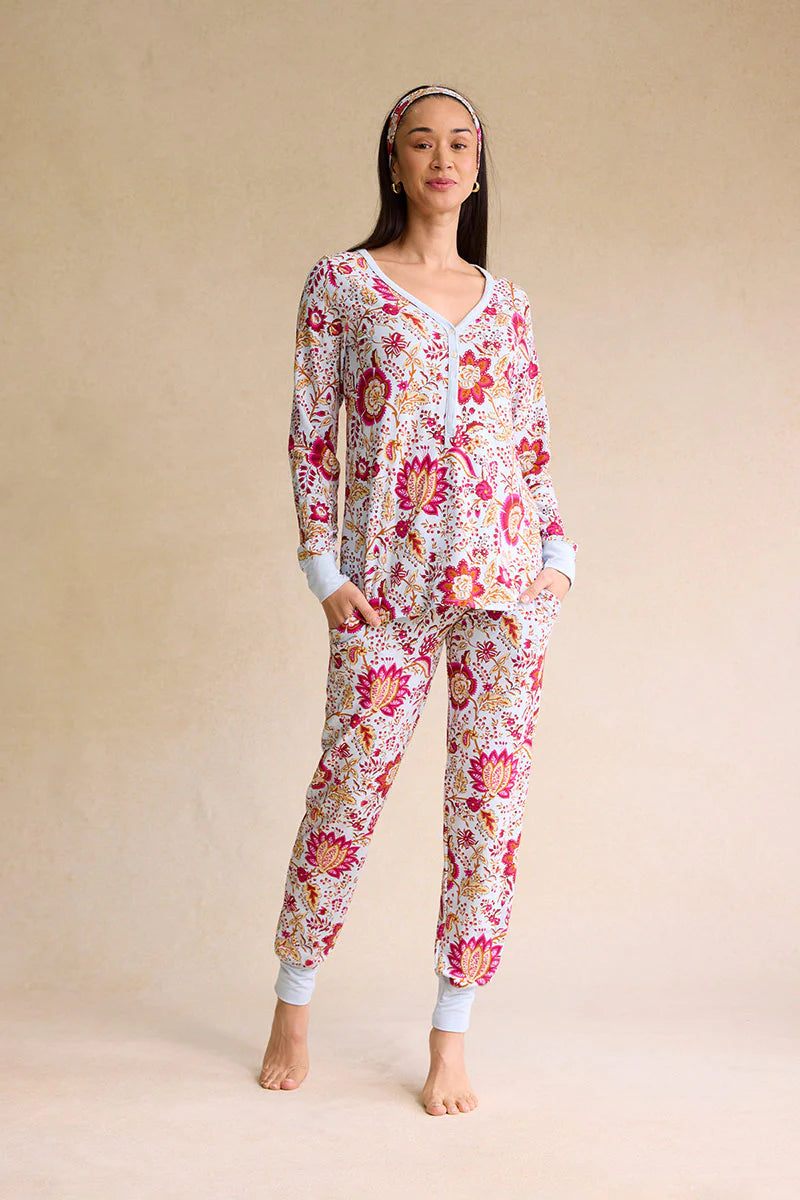
With that in mind, pieces like the bamboo jammers collection show what the right sleepwear can feel like when bamboo is done well. They bring that softer, lighter, easy-to-wear, temperature-regulating feel in a way that feels natural to wear, and that is usually when sleepwear starts to feel just right.
The Wrap-Up on the Bamboo vs Modal Fabric Sleepwear Debate
Choosing between the two is not easy, especially when deciding what to sleep in, since each fabric has its own benefits. Modal gives you a slightly heavier feel while staying reliable, low-effort, and consistent. Yet, bamboo leans more into comfort, with a softer touch, a lighter feel, and a fabric that moves with you.
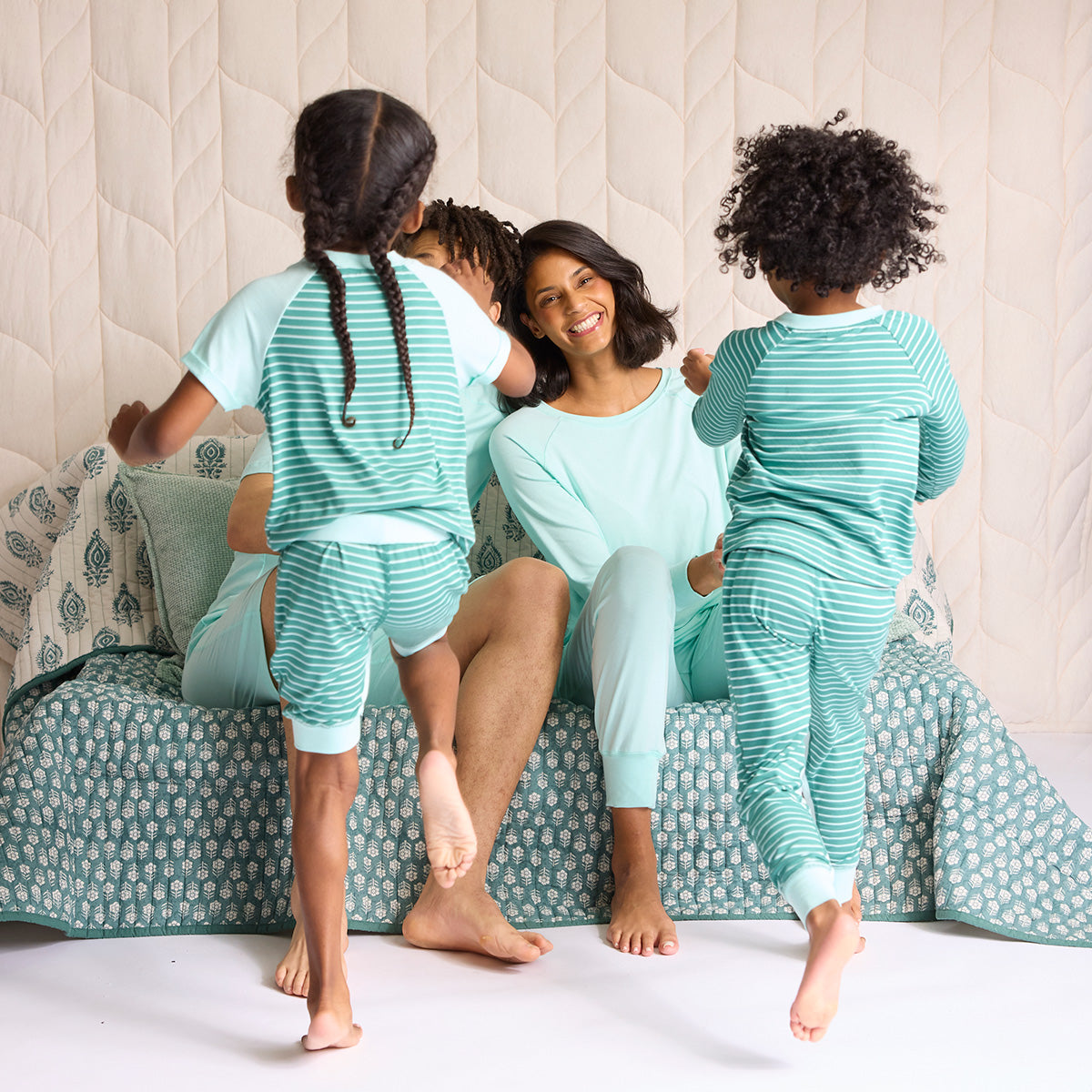
Most people end up choosing based on preference and comfort. It rarely comes down to which one is better. It is more about which one feels right for the way you sleep. If you’re looking for more bamboo clothing choices, why not start with the bamboo jammers collection by This Is J. We have plenty of options to choose from for men, women, and children.