











When it comes to sleeping, it's normal to believe it should come naturally. However, the sad truth is that 48% of Canadian adults experience sleep issues, and no, it's not because you enjoy a late-night iced coffee, although that isn’t helping.
There are, in fact, many different reasons your sleep could be disrupted, from health conditions to poor habits and atrocious bedtime routines. If you fall into the latter camp, there is something you can do about it, and well…that’s creating a bedtime routine for better sleep.
Your bedtime routine shouldn’t feel like something you need to achieve, manage, or wrestle with at the end of your day. Yet getting to the point where it's relaxing can, admittedly, be more of a challenge than many of us want to admit. That’s why our team at This Is J, who may or may not have at one point in time also had their fair share of sleep woes, shares what you need to do.
So, let’s dive into how to create a sequence of small, familiar cues that signal it's time for your evening sleep routine.
The Science Of Sleep Preparation
As much as you might want to control your sleep by willpower alone, that isn’t how things work. Your evening routine for sleep can help, but biology governs your sleeping patterns. When you understand how your body prepares for rest, it becomes easier for you to support the process and avoid disrupting it.
Circadian Rhythm Basics
You can think of your circadian rhythm as your internal 24-hour timing system. This system mostly responds to light, darkness, and habit. When evening approaches, your brain begins producing melatonin, the hormone responsible for sleepiness. Unfortunately, this hormone can be disrupted if your evening routine isn’t consistent. That’s why a routine is so important.
How Routines Train Your Body
Your body learns your routines. It knows when you are hungry based on your meal timing, so it should be unsurprising that it also knows when you are sleepy based on repeated behaviors. This means that if you follow the same steps or repeat behaviors each night, your nervous system will associate these actions with rest. In time, the routine itself becomes a sleep trigger.
The 30 To 60 Minute Wind-Down Window
As much as you might want it to happen, lying down and trying to sleep doesn’t instantly trigger sleepiness. You can’t expect to move directly from work emails or television into deep rest. That would be like slamming on the brakes at full speed. Instead, you need to embrace a 30 to 60-minute wind-down window. This allows your heart rate, thoughts, and breathing to gradually slow, giving you enough time to fall asleep and stay asleep.
Digital Detox
When it comes to a nighttime routine for adults, one of the most important elements is to digitally detox. Every day, most of us use an insane number of digital devices, from laptops and mobile phones to gaming consoles and tablets. These have been shown to be bad for sleep. If you want to sleep better each night, you may want to limit your exposure to blue light.
You may already know this, but blue light emitted by screens suppresses melatonin production (remember that hormone?). Blue lighting also signals to your brain that it's still daytime, and even brief exposure when you’re trying to sleep can delay your natural sleep cycle. That’s why scrolling in bed often leads to feeling ‘tired but wired.’
Usually, the best thing to do is put away your screens 30 to 60 minutes before sleep, as we said earlier. This timeframe gives your brain enough time to shift into a calmer neurological state. It is during this state that your body begins preparing for true rest. Most people find that sticking to this rule noticeably improves sleep, as we said earlier.
However, we understand that breaking up with your digital goods can be incredibly difficult, but there are alternatives you might enjoy more. Before bed, why not choose low-effort, calming activities like light tidying, reading, stretching, or even laying out a set of comfy pajamas before taking a relaxing bath? These are all better choices than digital entertainment.
Physical Preparation
It may be a little hard to believe, but there are a few physical preparation to-dos that you need to consider ticking off if you want to truly nail a better sleep routine:
-
Ensure your room is comfortable: When we tell you to ensure your room is comfortable, we mean the temperature. Usually, a room between 16 and 19 degrees Celsius makes it easier to drift off. If your room is overly warm or stuffy, you’ll find it much harder to fall asleep. This is because warmth works against your biology, which is for your core temperature to cool as you drift off.
-
Reevaluate your lighting: Lighting plays a bigger role in your nighttime routine than you may imagine. It's best to dim your lights in the evening and switch to warm tones. These simple actions can help signal to your brain that daytime has ended and it's time to prepare for sleep.
-
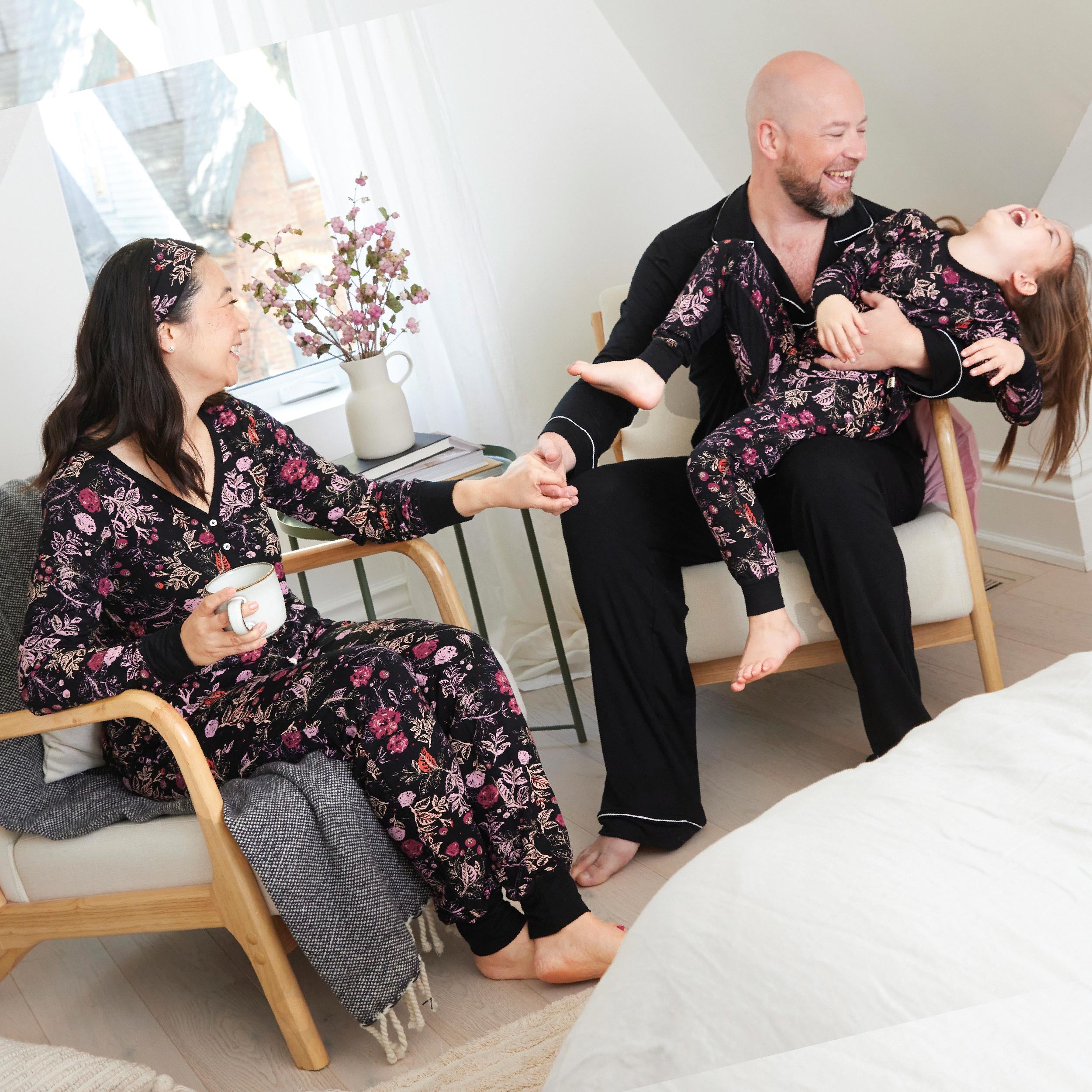
Choose comfortable sleepwear: Many overlook their sleepwear, but it can make a huge difference in how well you rest. If your sleepwear is comfortable, temperature-regulating, moisture-wicking, and breathable, it means you’ll likely sleep better. At This Is J, we offer a bamboo sleepwear collection that ticks all these boxes and more.
Mental Wind-Down
According to the World Health Organization, about 1.1 billion people worldwide are living with mental health conditions, including fatigue. Unfortunately, mental fatigue is closely linked to poor sleep. When your sleep is disrupted or insufficient, it can lead to cognitive decline, a higher likelihood of mental health issues developing, and emotional instability.
These are all things you don’t want to experience. With this in mind, you should also include a few mental wind-down items in your bedtime routine to improve sleep. Here’s a list of the best options that won’t be too difficult to incorporate into your daily life:
-
Journaling: Once the lights are off, many of us experience our mind ‘running wild,’ which is why journaling to ‘brain dump’ can be helpful. If you write down what's bothering you or simply your thoughts, it can help your brain quiet itself, which could lead to better sleep.
-
Yoga: Through yoga, you can stretch and complete slow movements to release tension in your neck, back, and shoulders. As the physical strain on your body eases, your mental restlessness often lessens. This usually helps you sleep better.
-
Breathing exercises: Through breathing exercises and meditation, you can activate your parasympathetic nervous system. This system is responsible for rest and recovery. If you even spend five minutes practicing deep breathing, you can shift your body out of stress mode, and this can help you fall asleep each night more easily.
Creating Your Personal Bedtime Routine for Better Sleep
Creating a bedtime routine for better sleep isn’t as difficult as you might believe. Below, we share a few simple steps you can try to help you sleep better in no time.
Start Simple
You need to start simple. We know this might not be the advice you want to hear, but if you try to adopt too many habits at once, you’re far less likely to stick with them.
-
Choose one or two habits you genuinely enjoy. For example, always wearing more comfortable pajamas and reading a book each night. As you begin sticking to these habits, you can slowly introduce more to ensure a good night's rest.
-
Practice consistency. Your routine should remain the same most nights to be effective. So, try to avoid elaborate routines before bedtime. You’re not always going to be in the mood to do them, and your circadian rhythm responds to predictability and not complexity. So regular cues will help your body sleep better consistently.
-
Don’t be afraid to adjust your routine. It can often feel like you have to stick with your nighttime routine, but you can adjust it as needed. Think about how you feel and replace what isn't working. It's natural to make adjustments now and then.
Invest In Rest with a Bedtime Routine for Better Sleep
Investing in one's rest is one of the best decisions to be made. When you combine consistent bedtime cues, develop a bedtime routine for better sleep, create a soothing environment, and switch to luxuriously comfortable sleepwear, sleep is less likely to evade you.
Once you establish your routine and it becomes a calm part of your life, everything else may just start looking up when you’re not left battling fatigue and daytime exhaustion.
If you’re ready to get things started, here's where you’ll find a few of our best pajamas and loungewear sets. Every design has been carefully created by our team at This Is J to help ensure you are always comfortable.