








Women encounter many physical and psychological challenges when they become pregnant, but if there's one that's more irksome than others, it's the development or worsening of poor sleep. Unfortunately, between 66% and 94% of women face sleep challenges during pregnancy, which means they need all the help they can get on this front.
If you’re ‘with child’ to be an old fogey, it might be time to consider your options and learn how to sleep better during pregnancy. Today’s blog is dedicated to all the pregnant ladies out there who need pregnancy sleep tips.
Our team at This Is J knows a thing or two about comfort during pregnancy, and we want to share what we know so that you can get comfortable sleep when pregnant. So, find somewhere comfortable to settle in because we’re going to discuss why sleep is getting harder, how best to sleep to ensure a comfortable night's rest, and even what to wear.
Why Sleep Gets Harder
Besides the obvious fact that you’re growing a whole human, there are many reasons sleep gets harder. Let’s have a look at what you need to know:
Physical Changes By Trimester
Every trimester of pregnancy…creates uniquely difficult sleeping issues. We know it's not what you want to hear, but it's the truth. For example, during your first trimester, you’ll be experiencing rising progesterone.
This hormonal increase can make many expectant mothers overwhelmingly tired during the day. However, that doesn’t mean you’ll get more sleep. It’s quite the opposite. You’re more likely to experience fragmented nighttime sleep. In addition, frequent urination and nausea, which start in early pregnancy for most, also contribute to frequent wake-ups and less pillow time.
Then, when you enter the second trimester, it's common for nausea and tiredness to abate, but your belly grows quite fast. This growth can cause physical discomfort as your baby gets bigger, making sleeping and certain positions more difficult.
And not to be dramatic, but this only gets worse because the third trimester is when you’ll be at your biggest while you carry your beautiful blessing. You’ll also experience symptoms like heartburn, hip discomfort, back pain, and shortness of breath that can interrupt your rest.
Hormonal Effects
We already touched on how hormones can affect your sleep during pregnancy, but you need to understand the full extent of this. For most pregnant women, dramatic rises in reproductive hormones like estrogen and progesterone cause sleep issues.
This is because progesterone has been proven to have a sedative-like effect, which explains why you might be feeling more fatigued than you usually do. In addition, both hormones also decrease rapid eye movement (REM) sleep, which also influences why your sleep habits aren’t what they used to be.
Anxiety And Anticipation
Although pregnancy carries much excitement, it can also be an incredibly anxious time for some women. In fact, between 10 and 20 percent of women experience perinatal anxiety, and this contributes to sleeplessness, as does anticipation.
Most expectant mothers find themselves anxiously thinking about labour, feeding plans, nursery details, or simply the enormity of becoming a parent again or for the first time. If this sounds like you, it's no wonder your sleep might be taking a hit.
Here’s How to Sleep Better During Pregnancy
Below are a few groupings of how you can sleep better during pregnancy:
Sleep Positions
If you want to sleep better during pregnancy, one thing you can try is changing your sleep position. Here’s how you can switch things up and what you should be doing:
Why Left Side Is Recommended
If you’ve always been someone who sleeps on your right-hand side, it might be difficult to suddenly become a left side sleeper while pregnant, but it's important. Most healthcare professionals recommend sleeping on your left side.
This is because this position supports optimal blood flow to your placenta and reduces pressure on your major blood vessels. It can also help significantly reduce swelling in your legs and feet. You know what this means? A better night's rest.
Pillow Arrangements That Help
Sometimes, to find comfort while sleeping, you need to get creative with your pillow arrangements. Most women find that their pillows can become their best allies if they:
-
Place a pillow between their knees to align the hips.
-
Slide a small pillow underneath their bellies to offer gentle support.
-
Tuck a pillow behind their backs to prevent rolling.
-
Use a wedge pillow to slightly elevate their upper body for heartburn relief.
You can try one or more of these pillow placements until you find what's comfortable for you.
What If You Wake Up On Your Back?
Unfortunately, back sleeping is one of the worst positions when pregnant. This is because sleeping on your back can compress a large vein known as the inferior vena cava. This can cause lightheadedness and discomfort, which can affect your sleep, but it happens. There's no need to panic; just be mindful that back sleeping isn’t the best position, and make adjustments.
Temperature Regulation
To sleep better during pregnancy, you also need to improve your temperature regulation. If you want to learn how to regulate your body temperature and why you're feeling hot, have a look below:
Why Pregnant Women Run Hot
Pregnancy increases blood flow and metabolic activity, which naturally raises your body temperature. When you add hormonal fluctuations to the mix, it's common to experience night sweats, so if you’re constantly throwing off blankets in the middle of the night, you now know why.
Cooling Strategies
No one, especially not a pregnant woman, wants to feel hot when they are trying to sleep. Fortunately, there are a few cooling strategies you could try:
-
Switch to breathable sheets, such as cotton, instead of heavy synthetic materials like nylon, poly-cotton, and polyester.
-
Layer your blankets so you can reach for the one that's appropriate for how hot or cold you feel.
-
Keep a cold glass of water nearby so you can drink when you’re overheated and parched.
Breathable Sleepwear Matters
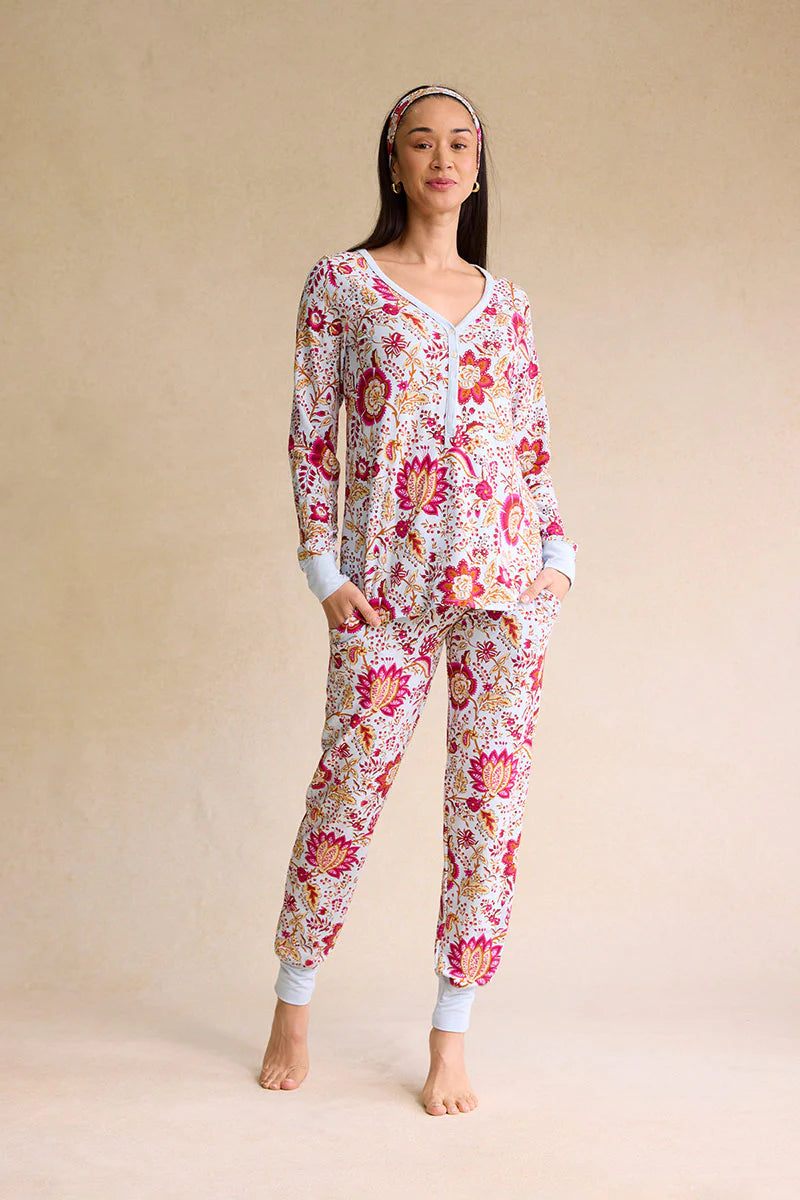
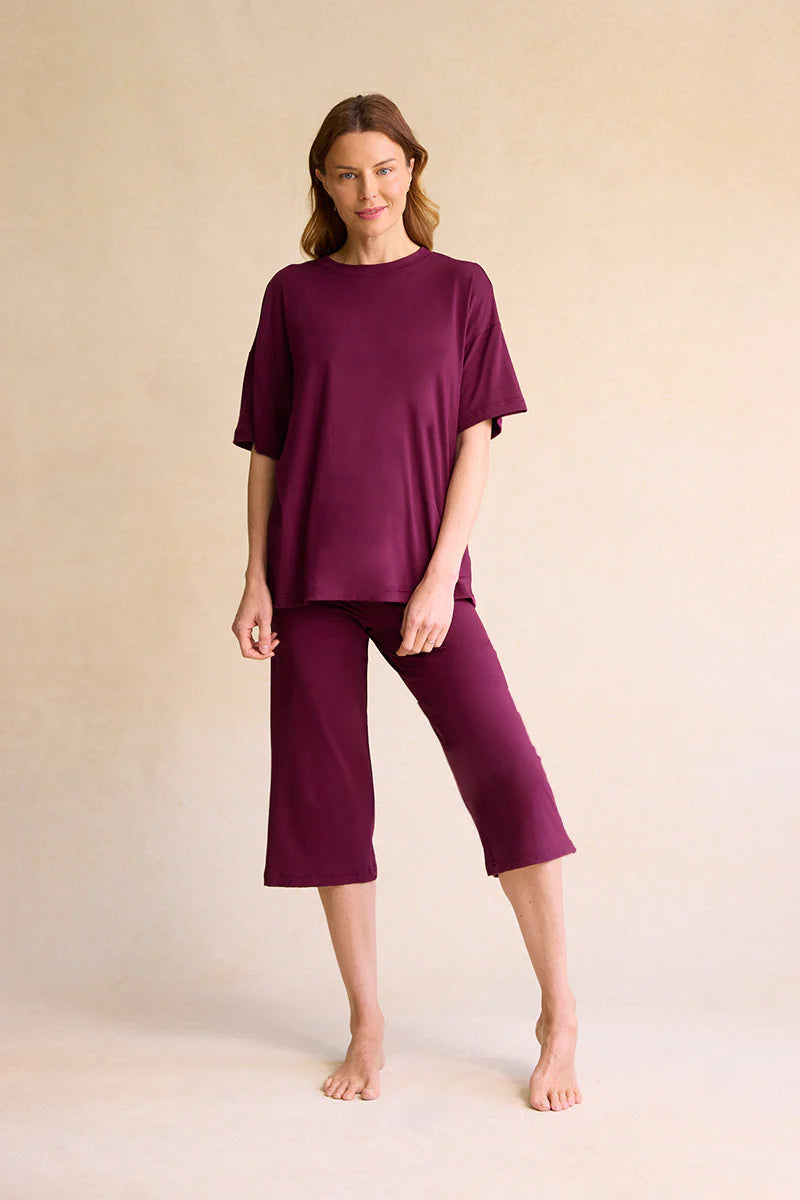
What you wear to bed matters when you’re pregnant. That’s why you need to invest in a luxurious set of bamboo pajamas that are breathable, temperature-regulating, moisture-wicking, and comfortable. At This Is J, our Bamboo Jammers collection ticks all these boxes.
Our bamboo pajamas are made in Canada without harsh chemicals or flame retardants. We can guarantee our fabric will feel soft against your skin and move with you as your belly grows rather than feeling clingy. With our pajamas, you’ll be a step closer to a better night's rest.
Managing Common Issues
There are quite a few common issues during pregnancy that can make your sleep a tad harder. Below, we’re sharing more on what they are and how you can manage them to ensure you sleep better during pregnancy:
-
Frequent urination: Needing to use the bathroom often comes with the territory when a growing baby presses down on your bladder. If you want to avoid restless nights, it's best to try to empty your bladder fully before you head to bed.
-
Heartburn: As your uterus expands, it can put pressure on your stomach, which can increase reflux and disrupt your sleep. The best way to combat this is to avoid spicy or acidic foods late at night and to eat smaller meals.
-
Leg cramps and restless legs: Many women suffer from leg cramps and restless legs in the evening when pregnant, disrupting their sleep. If this happens, you can try stretching before bed or gently massaging your calves. It also helps to stay hydrated and take warm baths.
Relaxation Techniques
If you’re having trouble sleeping, you might want to consider using a few safe relaxation techniques during pregnancy. For example, you can incorporate gentle stretching into your nighttime routine, add slow breathing exercises when you’re feeling anxious, or avoid blue light 30 to 60 minutes before bed. You could also consider journaling, reading, or listening to music before you hit the sheets to improve your sleep.
When to Talk to Your Doctor
While it's true that sleep disturbances are common during pregnancy, you’re going to want to talk to a doctor if you notice:
-
Loud snoring combined with pauses in breathing.
-
Severe or persistent insomnia.
-
Restless legs that significantly worsen.
-
Extreme daytime fatigue.
-
Sudden swelling paired with headaches or vision changes.
At times, some of these symptoms might not be too serious, but it's best to be safe than sorry, especially while carrying (literally) precious cargo.
Rest While You Can
Internal Links: Link to maternity pajamas post, menopause/night sweats post (similar issues)
Pregnancy is a joyous time, but it can be a little less so when your beauty sleep is interrupted. Hopefully, you now have a better idea of how to sleep better during pregnancy with the tips and techniques we’ve shared.
If one of the first things on your list is to get a set of comfy pajamas as part of your sleeping better adventure, you can have a look at our options here. At This Is J, we offer maternity clothes and loungewear that adapt to your changing body, keeping you comfortable and helping you sleep better throughout your journey.