
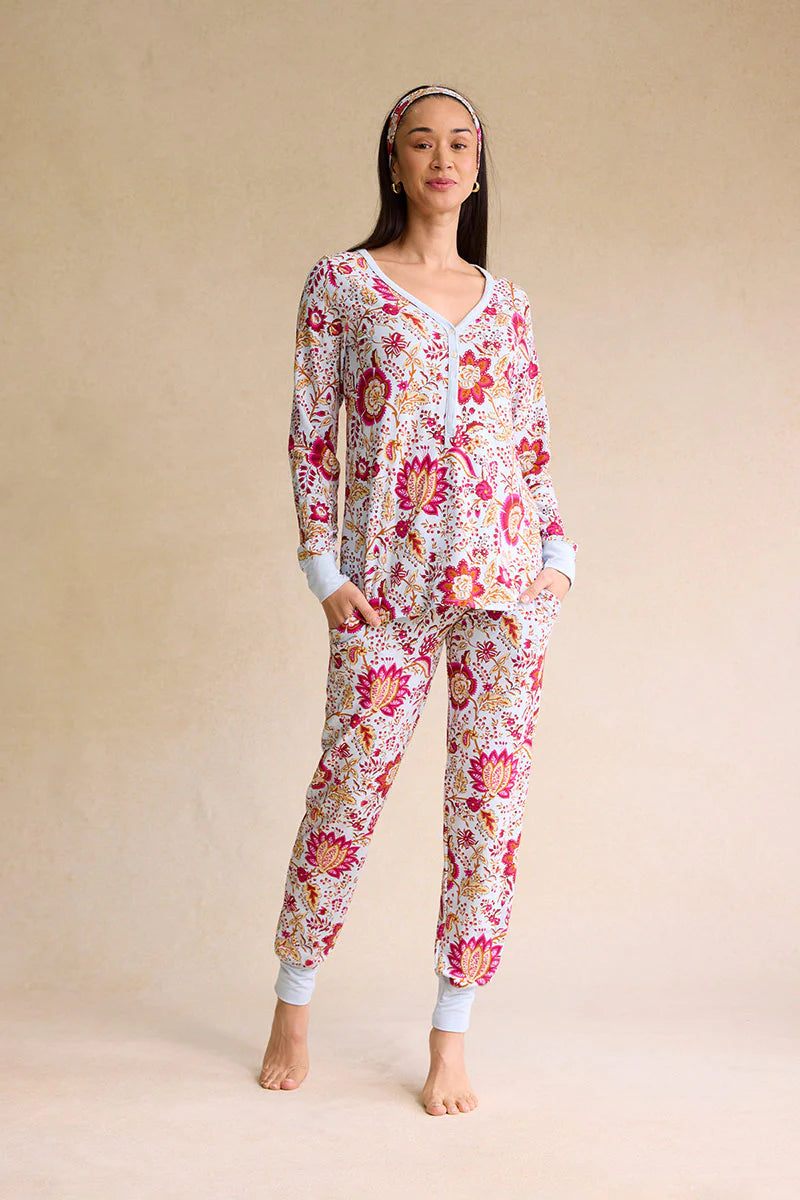
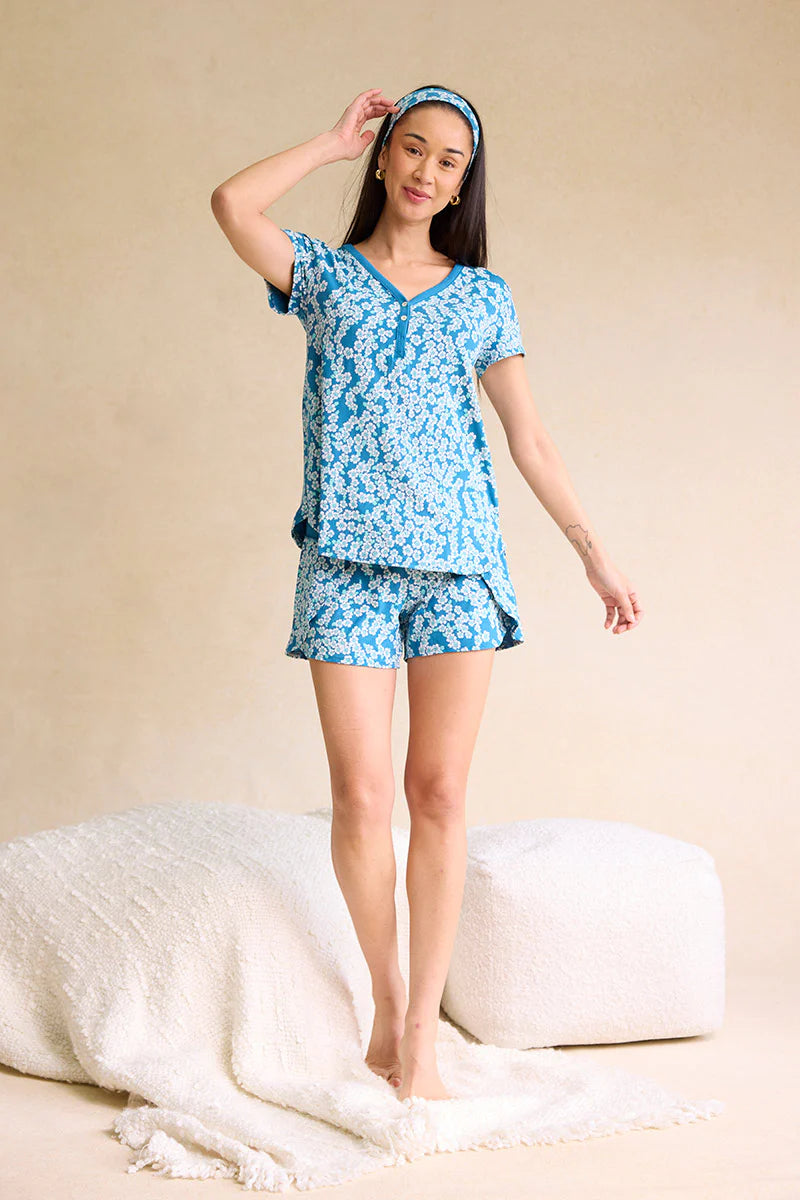
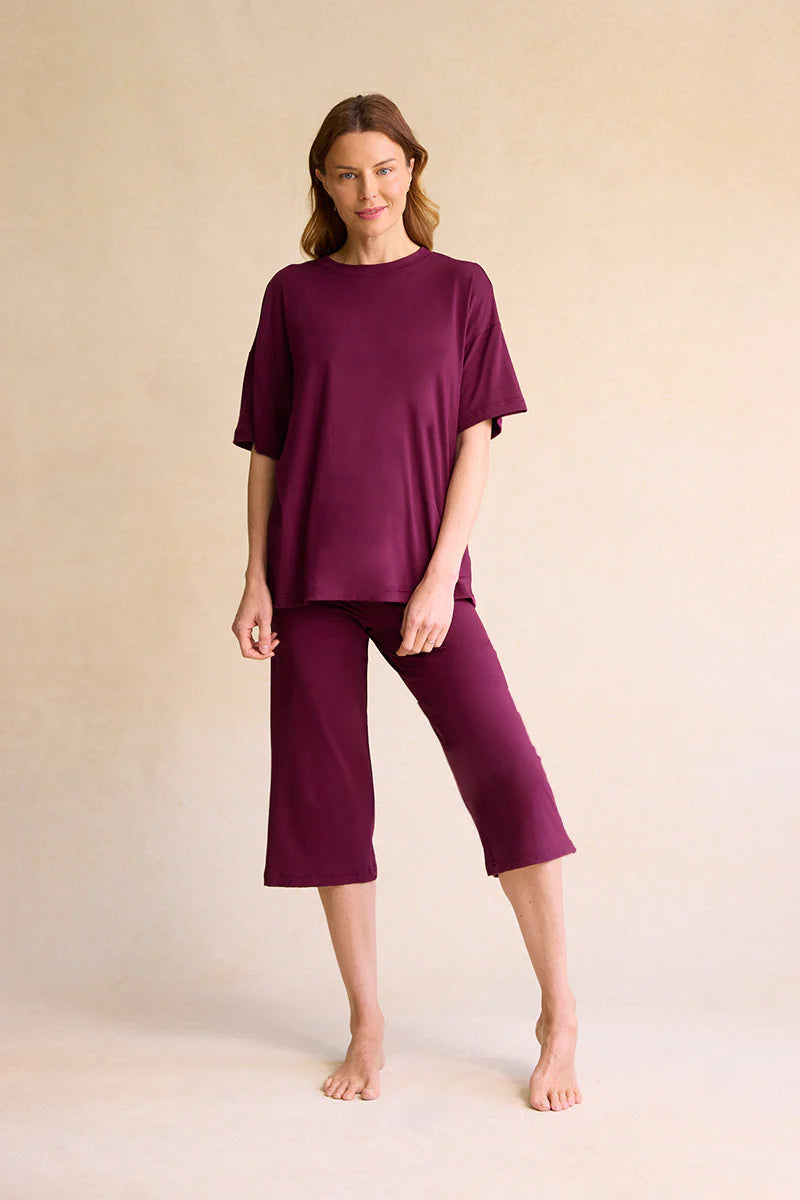
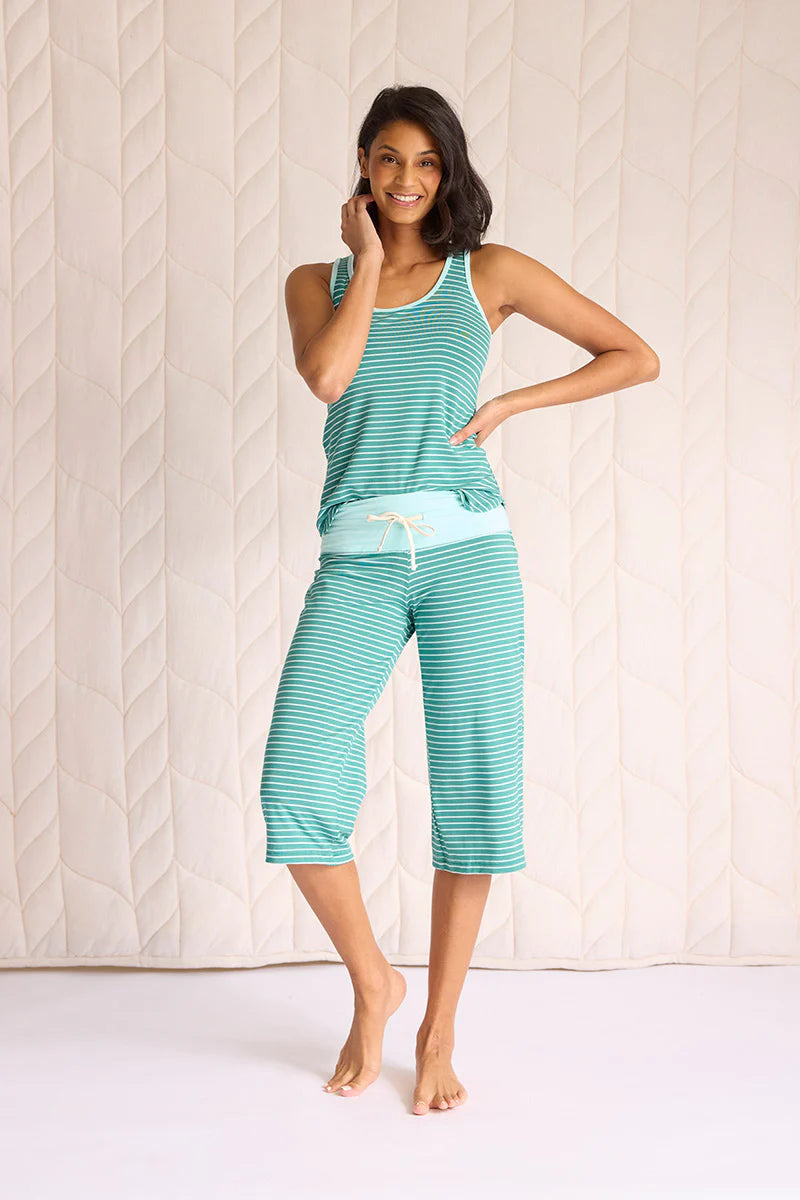
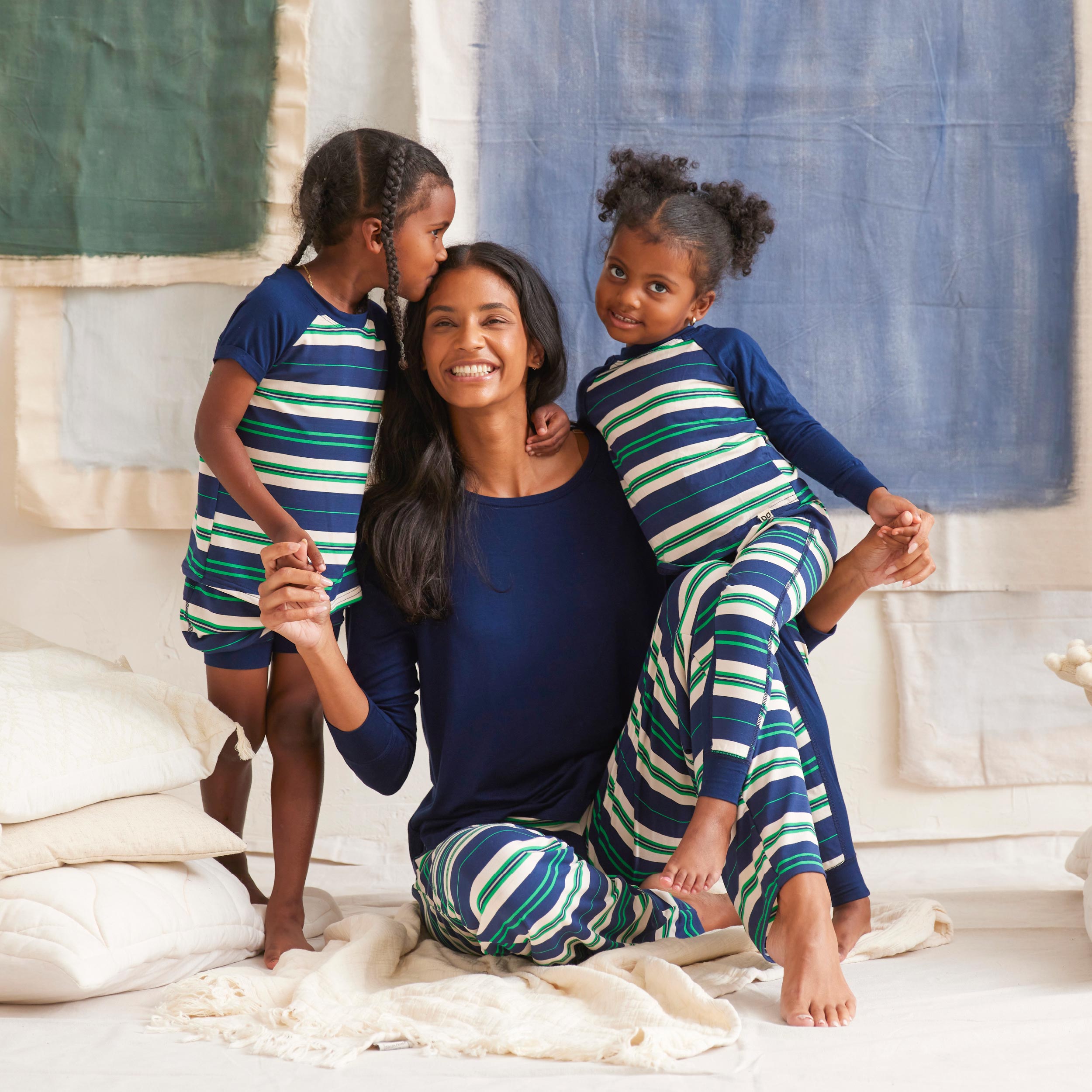
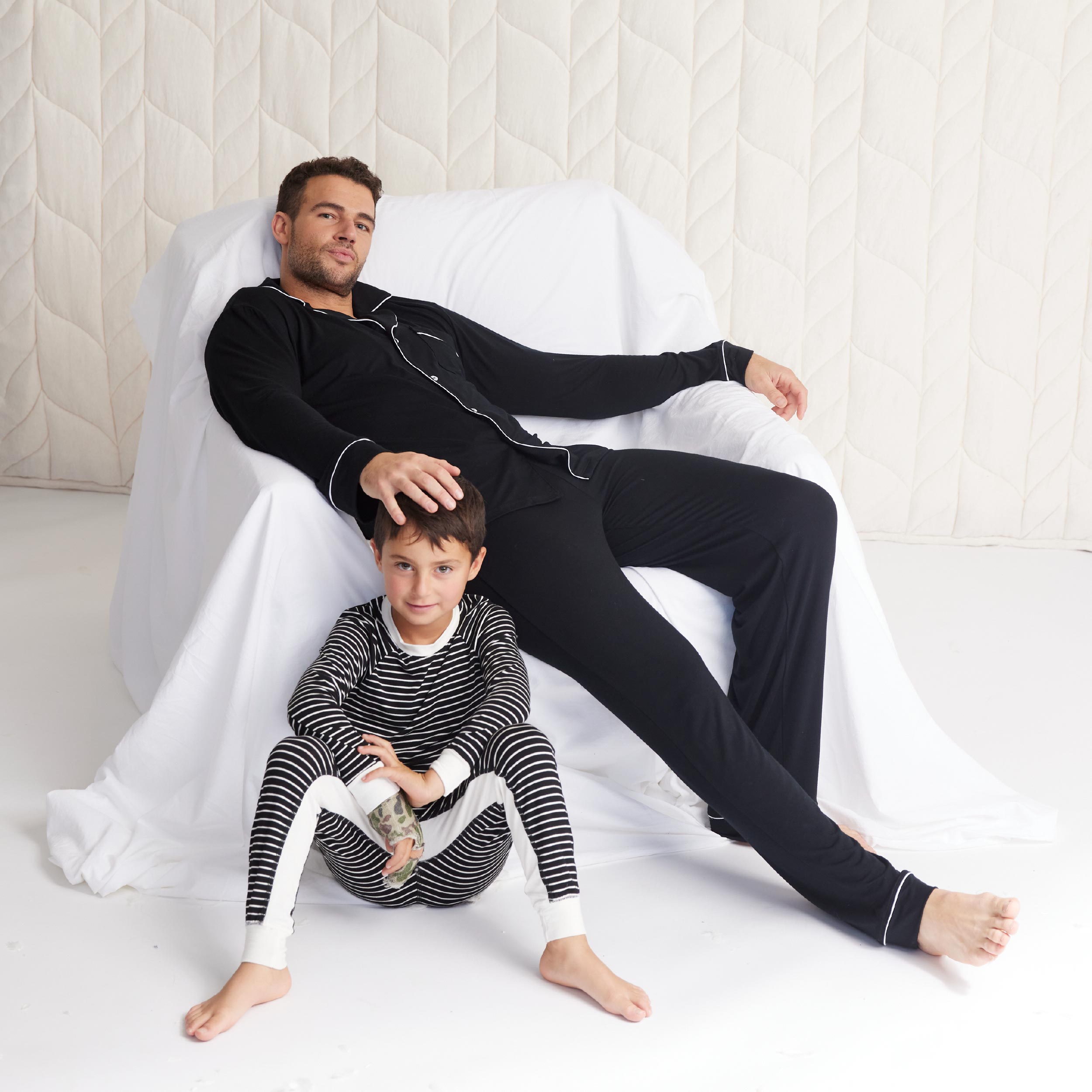
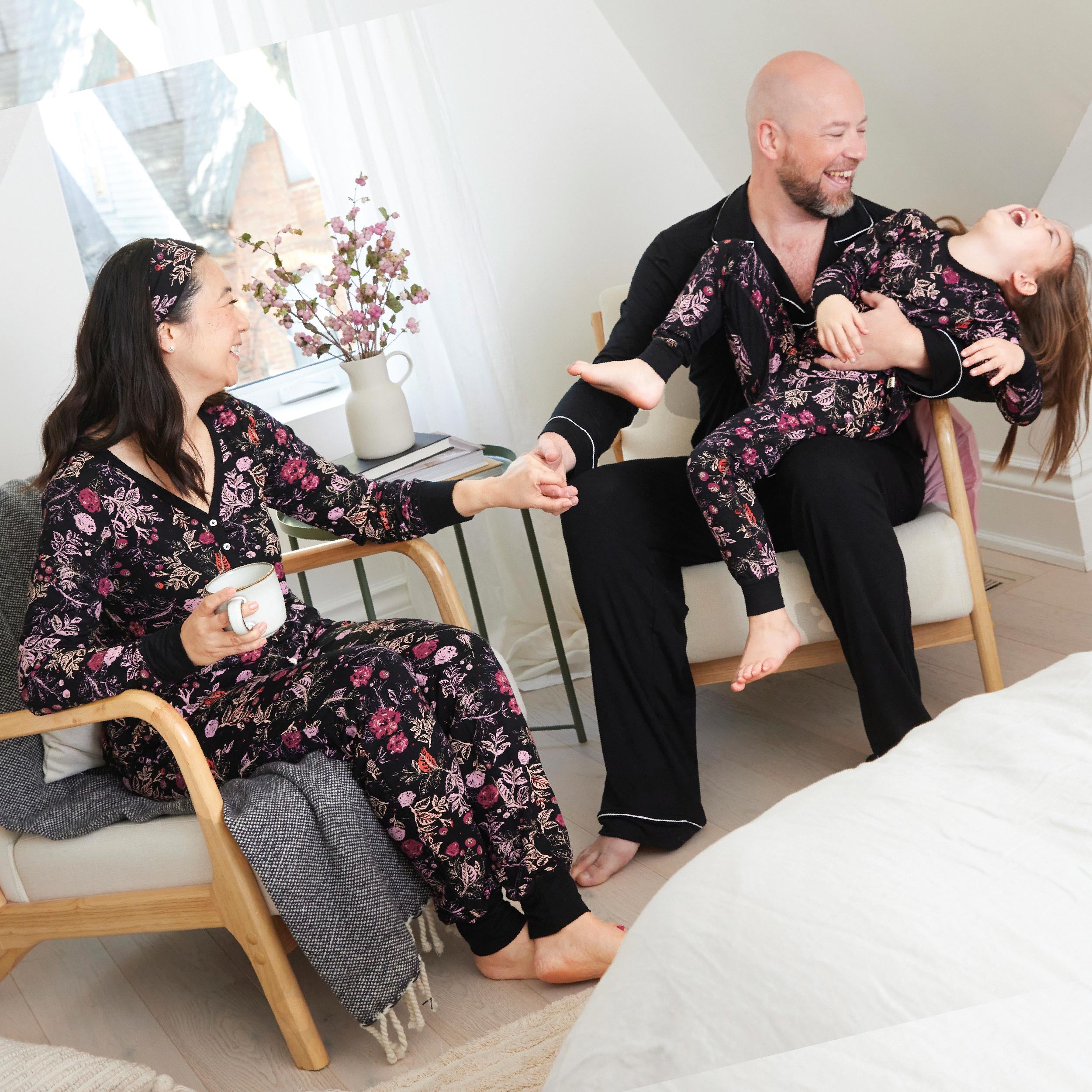

The truth about which is better between cotton vs. bamboo pajamas depends on how you sleep, how warm your room gets, and what you want your sleepwear to do once the lights go off. Both fabrics earn their spot in plenty of drawers, so neither one wins by default because let's be honest…we all have our preferences. But it doesn’t hurt to take a look at the two fabrics to see which might be the best choice for better sleep.
We understand that wearing cotton clothing has been the bedtime standard for many for generations, and it's familiar, easy to find, usually affordable, and comfortable enough on a cool night. However, bamboo viscose can outperform these impressive capabilities. It wears a little differently, especially if you've ever woken up at 2 a.m. because you were overheating. We promise this isn't a takedown of cotton, but let's get into what you need to know.
Why Fabric Choice Affects Sleep More Than People Realise
Now, before we get into the cotton-versus-bamboo comparisons, it helps to understand why the fabric matters so much in the first place. Surely it wouldn’t matter, right?
Well, that’s where most people get it wrong. A pajama set you’re looking to buy can look beautiful folded on the shelf or displayed on a mannequin, yet still let you down once you're under the covers, because sleep puts every fabric to a real test.
Your pajamas sit against your skin for seven or eight hours straight (and sometimes longer), and that's a long stretch of time. Your choice of fabric determines how warm you feel, how dry you stay, how easily you move when you roll over, and whether your sleepwear keeps you comfortable as your body temperature changes through the night.
That's why the question of cotton or bamboo for sleep is worth taking seriously, since good sleepwear needs to breathe, manage moisture, retain its softness through dozens of washes, and move with you as you go about your day or night.
Cotton: Honest Strengths and Honest Limitations
So, are cotton pajamas good? Yes, of course they are, but it depends on the person if they are comfortable. When bought brand new, cotton is rather firm and breathable, and the price point is usually friendly, too. So, if you sleep in a cooler room, prefer a more structured fabric against your skin, or simply love that freshly laundered cotton-shirt feel, cotton pajamas will typically hold up well.
That being said, cotton does run into trouble with moisture. It absorbs sweat well enough, but it tends to hang onto it, and if you sleep warm, that can leave the fabric feeling heavy and damp by morning. Cotton also tends to stiffen, shrink, or fade after repeated washes, depending on fibre quality, thread count, and how the garment was made.
Bamboo Viscose: What It Actually Is
Bamboo pajamas are mostly made from viscose derived from bamboo pulp, which is thoroughly processed into a soft fiber that is often spun into a drapey fabric with a fluid, super-soft feel. Also, bamboo viscose tends to do what cotton struggles with, and that is keeping you cool in the warmer seasons.
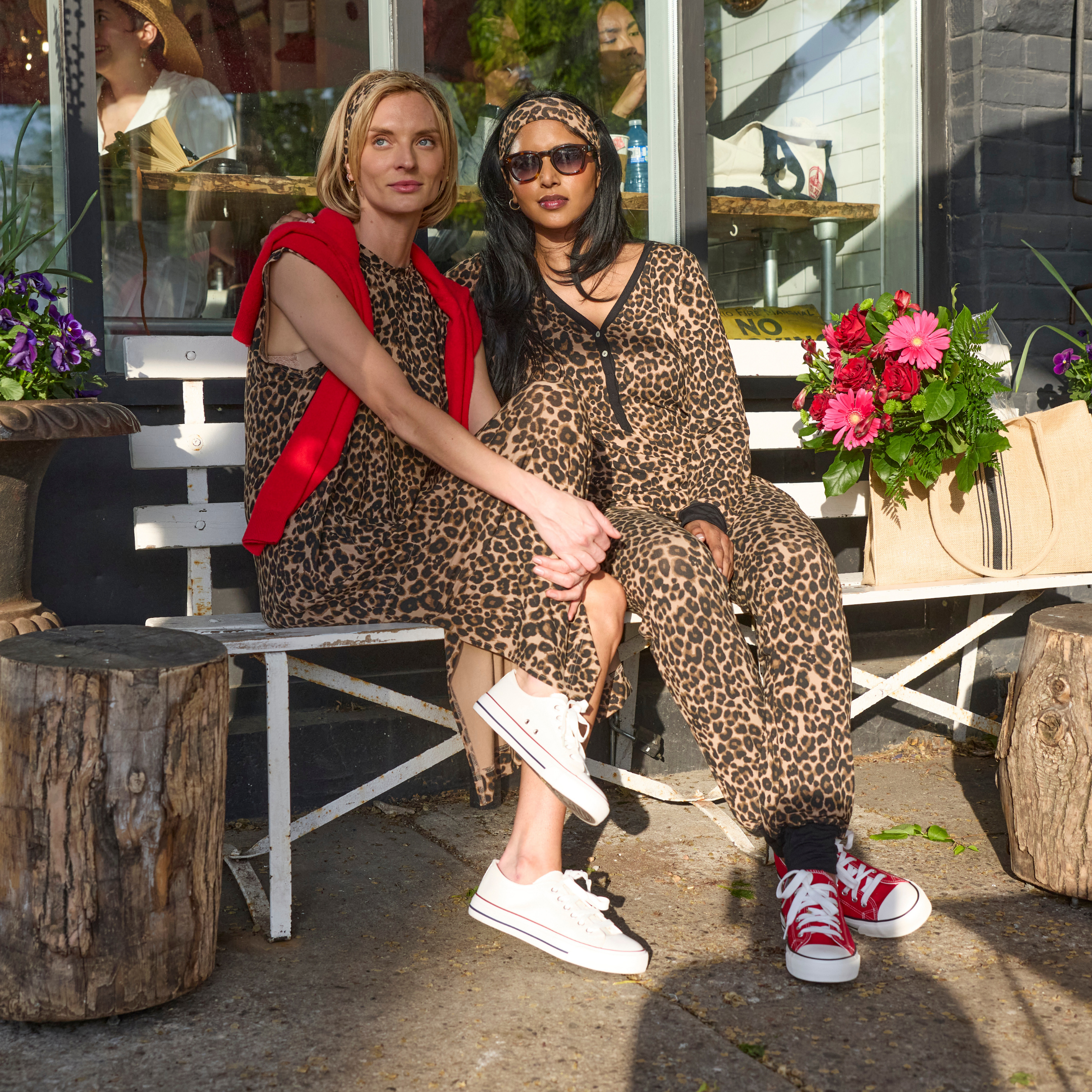
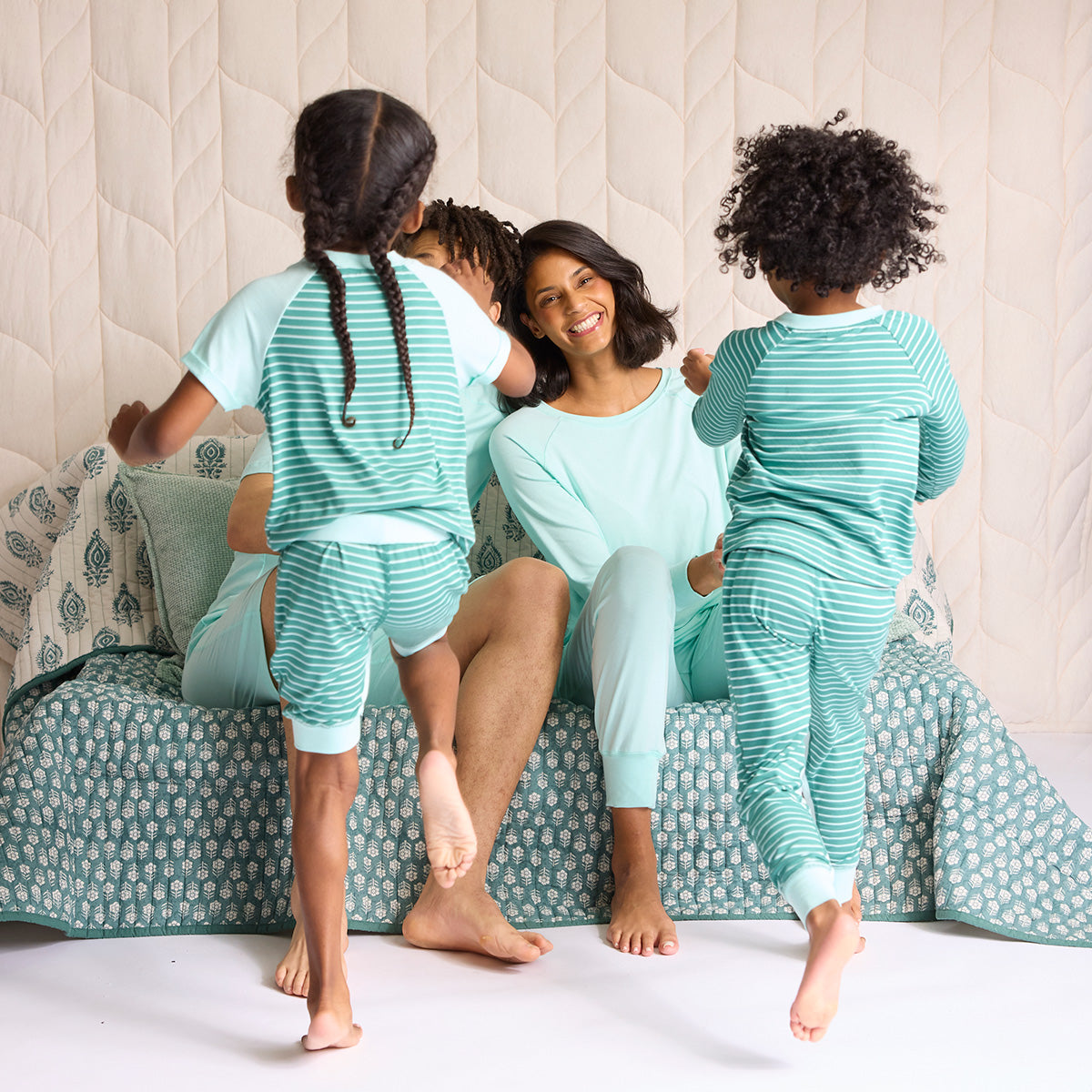
Since it drapes rather than sits stiffly, it moves moisture away from the skin, is more breathable, and stays comfortable through temperature changes. We know this to be true because we specialize in making bamboo viscose sleepwear. At This is J, our sleepwear is made with 93 percent bamboo viscose and 7 percent spandex, which adds a small amount of stretch.
Believe it or not, that stretch helps when you sleep on your side, throw a leg out from under the duvet, or generally treat your bed like an obstacle course.
The Sleep Fabric Performance Matrix
Once you put the two fabrics side by side, the differences become easier to see. Here's how cotton and bamboo viscose compare across the six things that matter once you're in bed.
|
Sleep Performance Criteria |
Cotton Pajamas |
Bamboo Viscose Pajamas |
|
Breathability |
Breathable when new, especially in lighter weaves |
Breathable with a softer, more fluid feel against skin |
|
Moisture Management |
Absorbs moisture but may hold onto dampness |
Better at moving moisture away from the body |
|
Temperature Regulation |
Comfortable in mild or cooler conditions |
Better for sleepers who run warm or shift temperature overnight |
|
Durability Across Wash Cycles |
Can shrink, fade, or roughen depending on quality |
Often keeps a smoother to the touch feel with proper care |
|
Environmental Footprint |
Natural fibre, but cotton can be water-intensive |
Bamboo grows quickly, though processing methods matter |
|
Hand-Feel After Extended Use |
Can become harder, thinner and less soft |
Usually stays soft, drapey, and easy to wear |
The 40-Wash Test
Of course, we know that a side-by-side chart can only tell you so much. This is because the real test happens after a year of laundry days. Think of the 40-wash test as a real-life pajama check. So if you wash your pajamas once a week, 40 washes lands you at roughly a year of regular use. That's enough time for the fabric to show whether it can hold up.
After that stretch, most cotton pajama sets may still be wearable, especially if they started out at a higher quality. But many owners notice the fabric feels coarser, and the print on the top has faded a bit. On the other hand, with Bamboo viscose, people tend to notice it still feels soft and drapey and is in good condition. That’s why it's the first pair they reach for when it's time to grab a new set of PJs.
When Cotton Is the Right Choice To Wear or Buy
Making the right choice really depends on you. You see, cotton pajamas make sense if you love a freshly pressed, classic fabric feel, but you want something at a friendly price point. They are also more suitable for cooler bedrooms, mild climates, and sleepers who don't overheat.
When Bamboo Is the Right Choice To Wear or Buy
Bamboo is usually a perfect choice when comfort matters more. It suits sleepers with sensitive skin, restless sleepers, and those who struggle with temperature regulation. Bamboo also moves easily with your body, which is part of why it works as both sleepwear and weekend wear. This Is J offers a few pajama sets to choose from if you want a good starting point.
The Wearing Hybrid Clothing Cycle
You know what the best part about life is? No rules (for what you wear to bed, at least). There's no rule that says you have to pick the best fabric for pajamas for you right now and stick with it forever. A clothing cupboard that holds both kinds of pajama fabrics is a sleepwear cycle strategy that’s smart and adaptable, since one set rarely covers every kind of day or night.
Cotton Pajamas Vs Bamboo Pajamas: Choose the Fabric for the Sleep That You Want
As always, it’s about your needs and preferences. There’s no ‘one-size-fits-all’ answer. Cotton still has a place, and it's a good idea if you want something familiar against your skin while you sleep. But the better option is often bamboo viscose.
Typically, bamboo viscose offers a softer, more flexible wear, providing a more comfortable feel. It also tends to handle temperature regulation and laundry cycles better. However, at the end of the day, when you weigh cotton vs. bamboo pajamas, the better fabric is the one you keep wearing past the first week or two. If you want to peruse your options, have a look at our collections today.