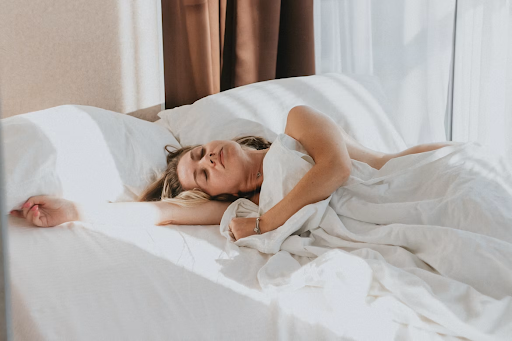












Sleep problems in women over 40 can be attributed to many things, including stress.’ However, for many women, the harsh reality is that sleep becomes harder during perimenopause, which for most begins in their forties. Considering more than 40% of women in perimenopause experience sleep problems, you’re not alone.
The reason sleep becomes harder is that when you move through your 40s, your ovaries begin winding down. This means the hormones that kept your sleep pretty peaceful start to fluctuate. Those fluctuations are the real reasons your nights have changed. Plus, this poor sleep is one of the first indicators that you may be going through perimenopause.
Although perimenopause sleep problems might seem all doom and gloom, there are ways that you can sleep better. Today, our team at This Is J is sharing what we know about perimenopause. We're looking at how it relates to menopause and how you can get your sleep back on track.
Perimenopause vs Menopause: Where You Are on the Timeline
As with most things in life, it helps to orient yourself to better prepare for what comes ahead. This means you need to know the difference between perimenopause and menopause. Since the two are different, you would handle sleep problems differently depending on which one you’re experiencing.
You’ll experience perimenopause before menopause, with the former being the transition phase. Although it typically starts in women's 40s, it can begin as early as their late 30s. It will also last anywhere from a few years to about a decade. During this time, your period will still occur, but it will become less predictable as your hormones fluctuate unevenly.
Menopause, on the other hand, usually begins in the late 40s onwards. If you have gone 12 months without a period, you’re officially in menopause. However, most of the sleep trouble people call menopausal actually happens in perimenopause during the fluctuations.
So if you’re experiencing sleep issues and your nights feel unpredictable, you need to begin looking into how to accommodate your perimenopausal state to sleep better.
Why Perimenopause Disrupts Sleep
It's all well and good to know that perimenopause means fluctuating hormones, but what does that…well…actually mean? To put it simply, it means your progesterone (a calming hormone) begins to drop. When this happens, you may find it harder to fall and stay asleep.
Then there’s estrogen, which is also impacted. Your estrogen levels get erratic during perimenopause. Since this hormone helps your body regulate temperature, you can go from feeling too hot to too cold in one night. You’re likely also waking because your cortisol levels are naturally climbing toward morning. Cortisol is the ‘alert’ hormone. It can often contribute to those 3 am random (not so random, it turns out) wake sessions.
Additionally, your blood sugar is to blame; it dips after hours without food, and in some cases, it can nudge your body to release a little adrenaline. When the adrenaline surges, you could wake up. These hormonal changes are natural and nothing to be ashamed of; you just need to find ways to improve your sleep while your body adjusts to its new way of life.
The Perimenopause Sleep Toolkit
Finding ways to improve your perimenopause sleep problems isn’t as challenging as you might expect. Most of the ways to alleviate poor sleep involve adopting new habits, lifestyle changes, and, believe it or not, changing what you wear to sleep:
-
Hormonal awareness: If you don't believe that your hormones are changing or feel ashamed of the changes, you could be hindering your sleep more than you realize. That’s why it's so crucial to understand that these fluctuations are not a personal failing. It's natural, and once you accept this, you can commit to improving your sleep.
-
Sleep environment: Your sleep environment can tremendously impact your sleep patterns. For this reason, many perimenopausal women find that a cool, dark, quiet room genuinely improves their sleep.
-
Evening routine: Having a nighttime routine before bed is crucial. If you can calmly wind down, you can lower the stress signals your body sends to keep you alert and awake. Many find that yoga, reading, listening to music, and avoiding blue light are all helpful nighttime routines for better sleep.
-
Sleepwear and bedding: When you wear uncomfortable sleepwear that traps moisture and heat or that tangles as you turn, this makes sleep challenging. Likewise, the wrong bedding can also make sleep feel more uncomfortable. Although what you find comfortable depends on you, some of the best materials for clothing and bedding include modal, bamboo viscose, and cotton.
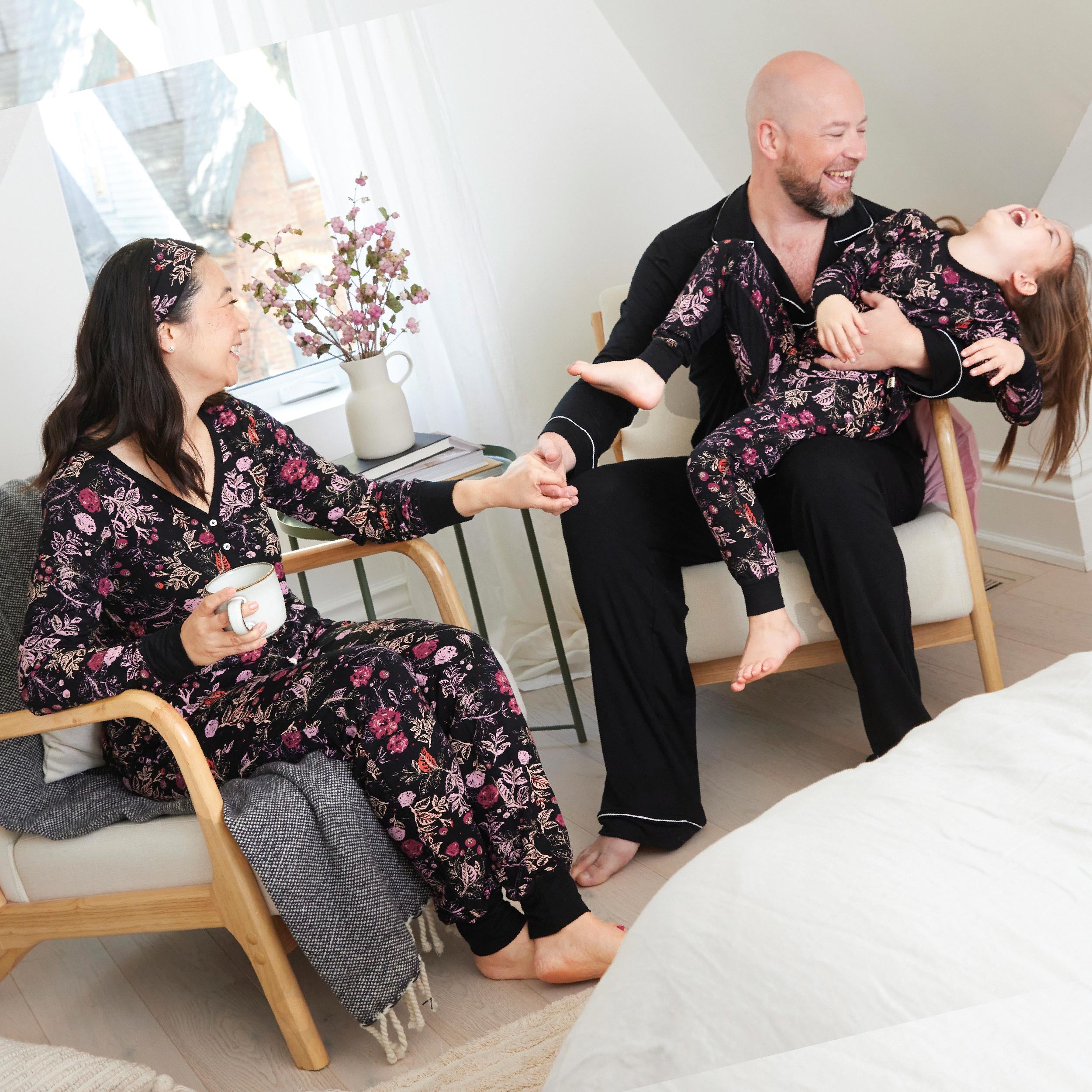
At This Is J, we may not offer bedding, but we offer some of the best pajamas for perimenopause, made with our signature bamboo viscose-spandex blend. Our moisture-wicking bamboo pajamas are made from breathable, temperature-regulating fabric that pulls heat and moisture away from your skin, so you are less likely to wake up overheated and tangled in the sheets.
Building a Wind-Down Routine That Calms the Nervous System
Since a routine is known to work for those who have perimenopause, it's natural that you want to know how to build a wind-down routine. Below we share a few simple steps to take to create a sleep routine that calms your nervous system and hopefully helps you sleep better:
-
Set a time: To properly calm your nervous system, it needs a signal that the day is over. So you need to give yourself about an hour to wind down before bed, and this starts with choosing a relaxation time.
-
Dim the lights: While you’re calming your nervous system, dim the lights, put away your phone, and do something that genuinely calms you. For instance, draw a warm bath, read a book, knit or crochet, or meditate.
-
Create a bedtime: Try to keep your bedtime and wake time around the same time each day, even on weekends. This is so that your body clock can remain synced and your circadian rhythm remains in check.
With these three simple steps, you can dial down the alertness perimenopause cranks up, which helps you drift off and get back to sleep when awake.
When to See a Doctor for Perimenopause Sleep Problems
We don't want to scare you because plenty of perimenopausal sleep trouble is normal and manageable at home. However, sometimes your sleep concerns are worth a chat with your doctor. It's generally recommended that you book a consult if your sleep loss is severe or constant enough to be dragging down your days.
It's also best to speak with a healthcare professional if the perimenopause insomnia comes with symptoms that don’t quite fit, like ongoing exhaustion, night sweats, or a low mood that lingers.
Your doctor can also walk you through options you cannot reach on your own, including hormone replacement therapy, which helps some women sleep but is a decision that requires careful consideration.
With Perimenopause Sleep Problems, Small Changes Add Up
No single change hands you back the sleep of your 20s, and that is okay. If you can't sleep with perimenopause, what works is usually a handful of small, doable changes made together.
So try to enjoy a cooler room, breathable pajamas, a real wind-down, and knowing when to involve a professional. If you want to get your hands on a set of comfortable, stylish Canadian-made bamboo viscose pajamas, check out your options here. We offer a wide range of styles and sizes to suit everyone, and our pajamas are perimenopause-friendly.