

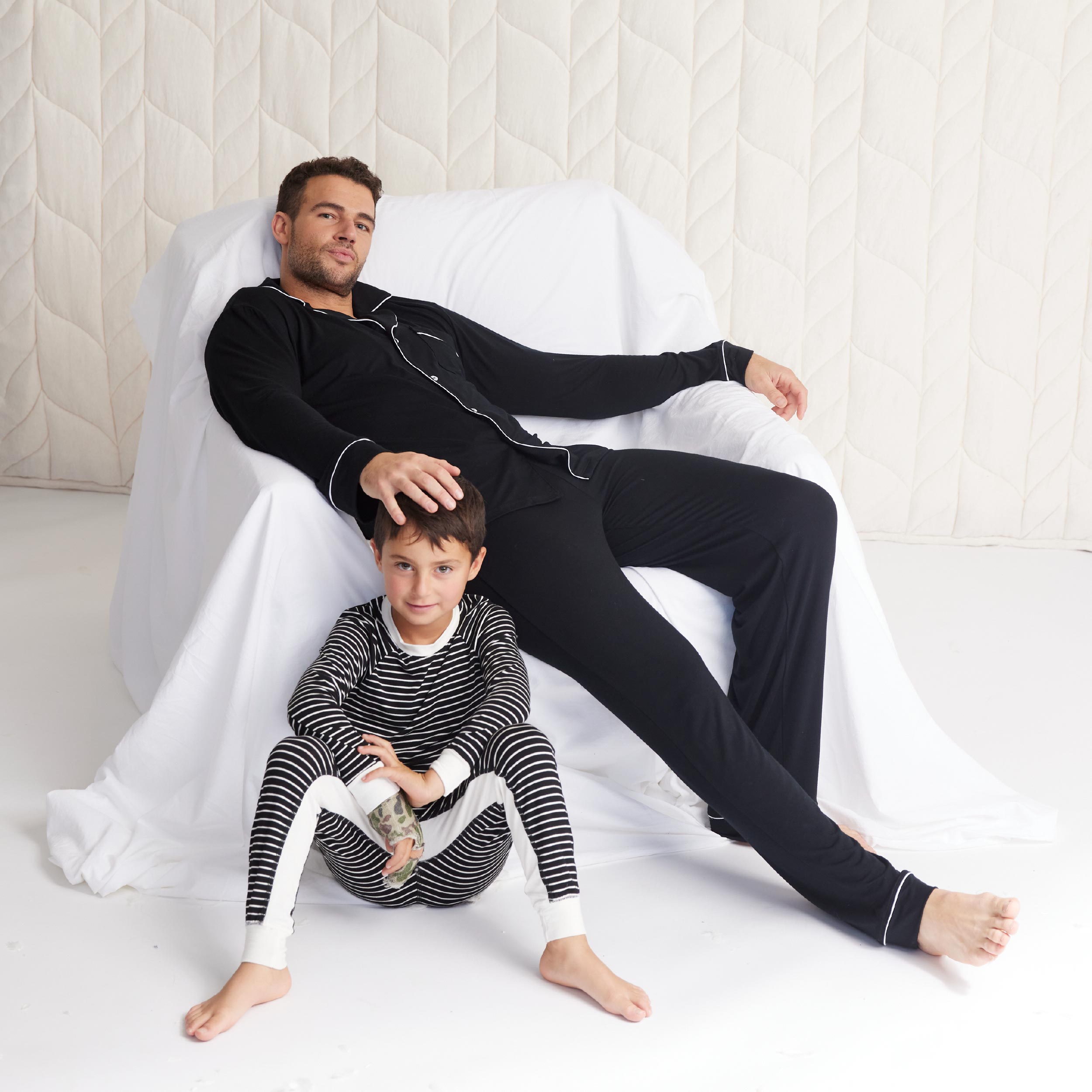
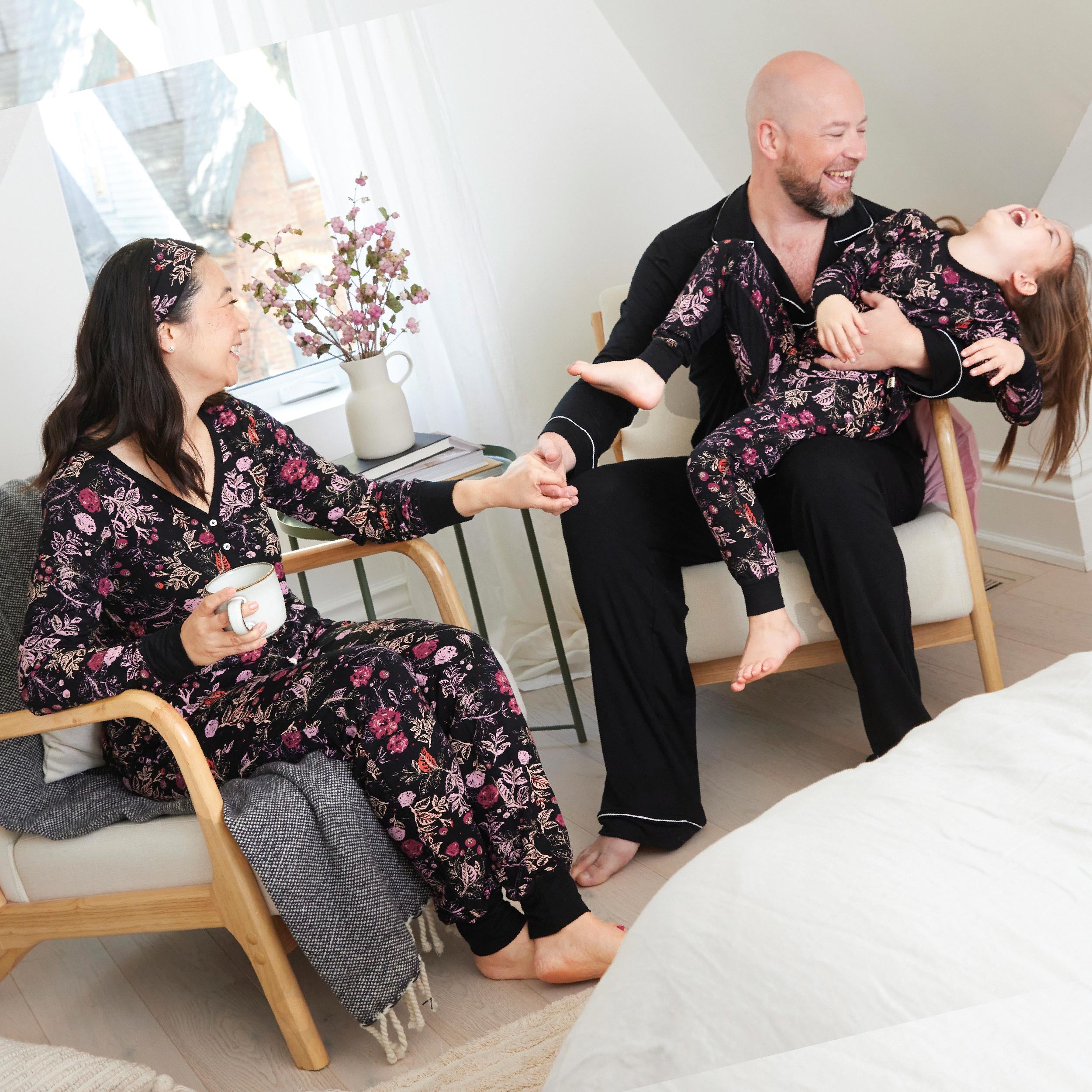

Sleepwear is one of the few things people buy without checking the size, on the reasonable assumption that it is meant to be loose anyway. Most of the time that works. When it does not, the problem is usually that the style fits differently from what was expected, not that the size was wrong.
This guide covers how to measure, how each style is meant to sit, and what to do when your measurements land between two sizes.
Start with three measurements
You need a soft tape measure and about two minutes. Measure over your underwear rather than over clothes, and keep the tape snug without pulling it tight.
-
Bust. Around the fullest part, with the tape level all the way round and not riding up at the back.
-
Waist. Around the narrowest part of your torso, usually just above the navel. If you cannot find it, bend sideways and it will crease where you should measure.
-
Hips. Around the fullest part, generally around eight inches below the waist, with your feet together.

Where your measurements fall across two sizes, size to the largest of the three. In sleepwear the discomfort of something being slightly too big is negligible. The discomfort of something being slightly too small is not.
How each style is meant to fit
This is where most sizing confusion comes from. The same size behaves differently depending on the cut.
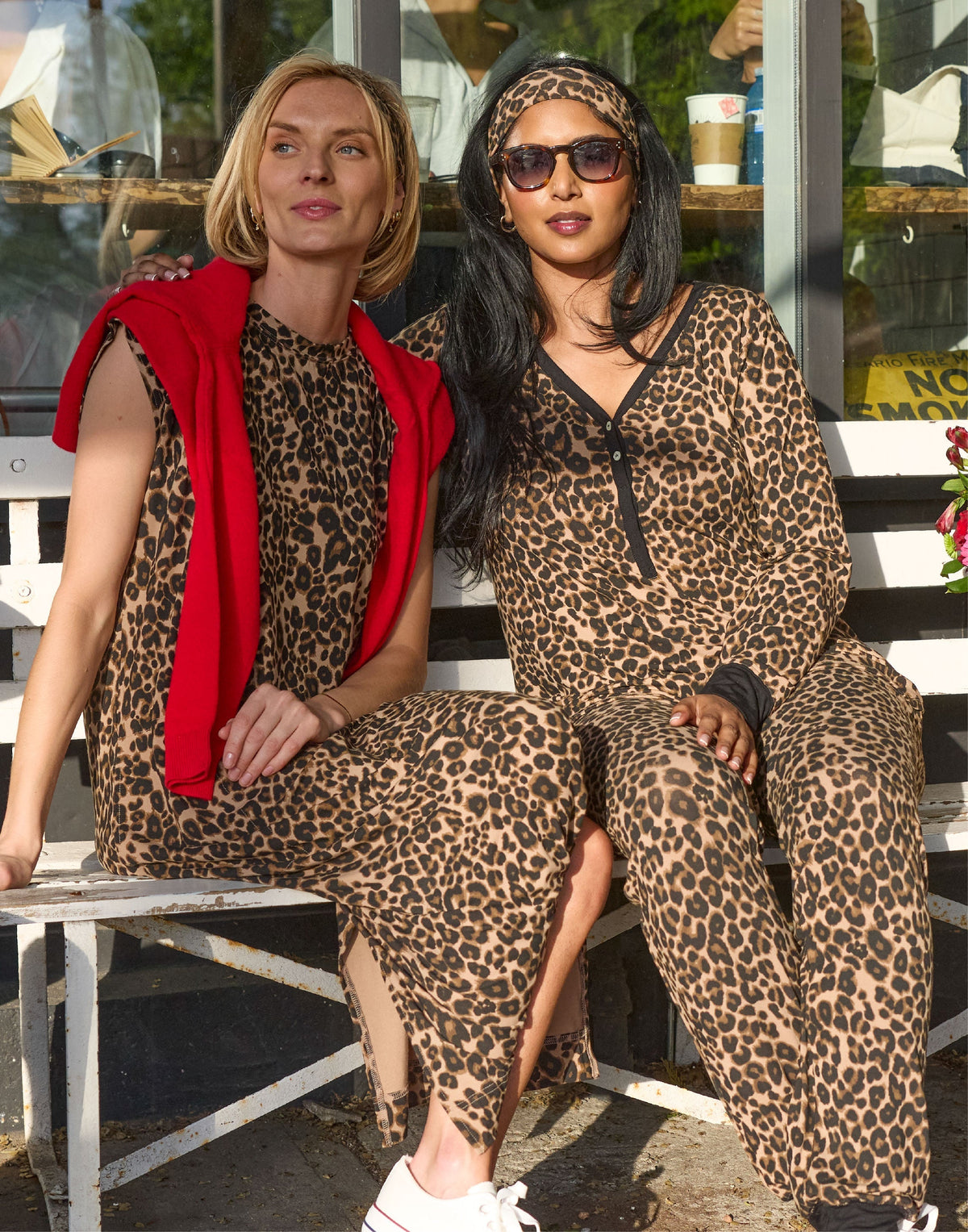
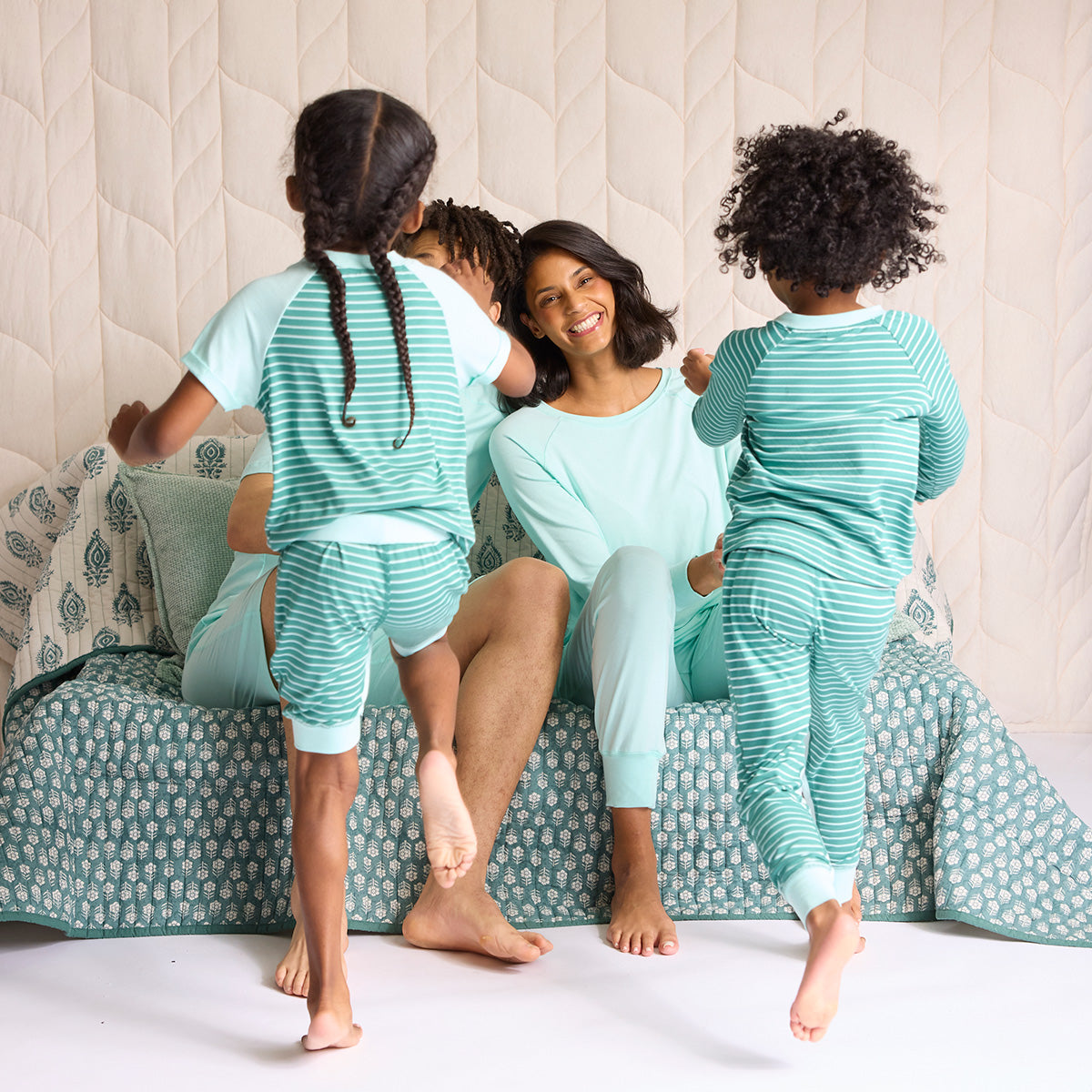
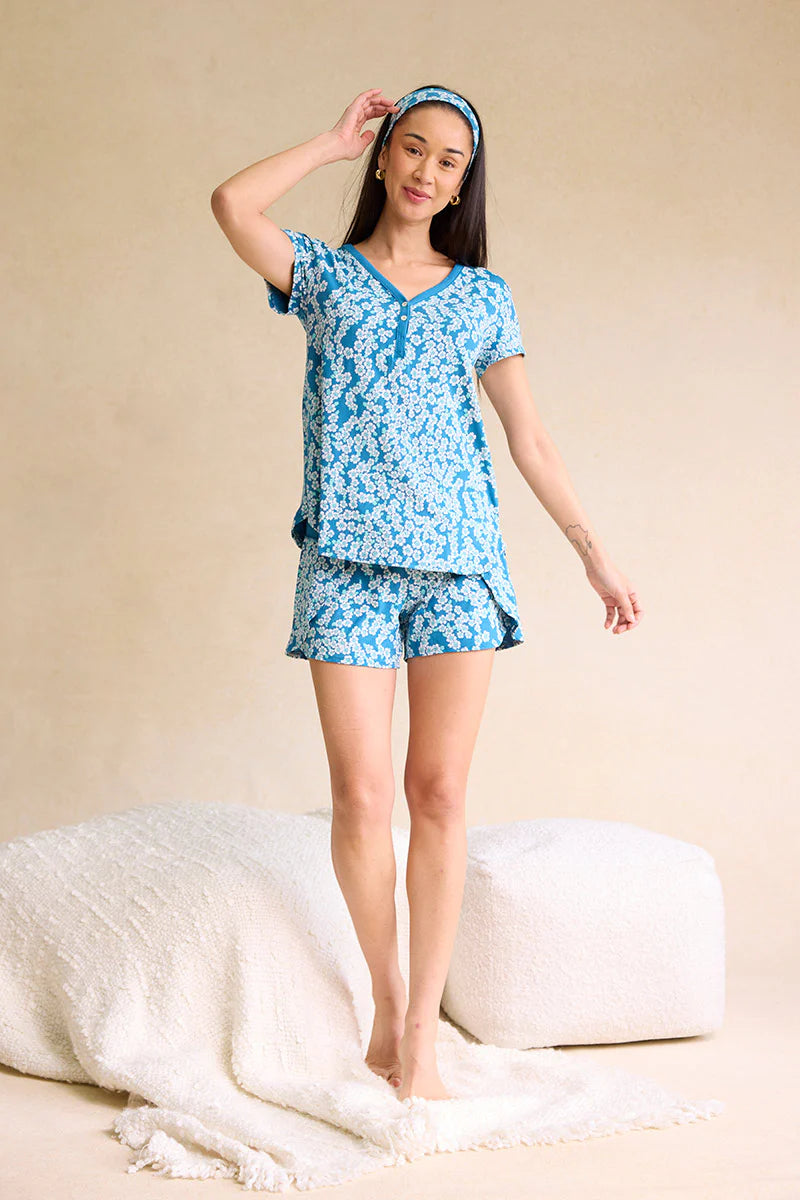
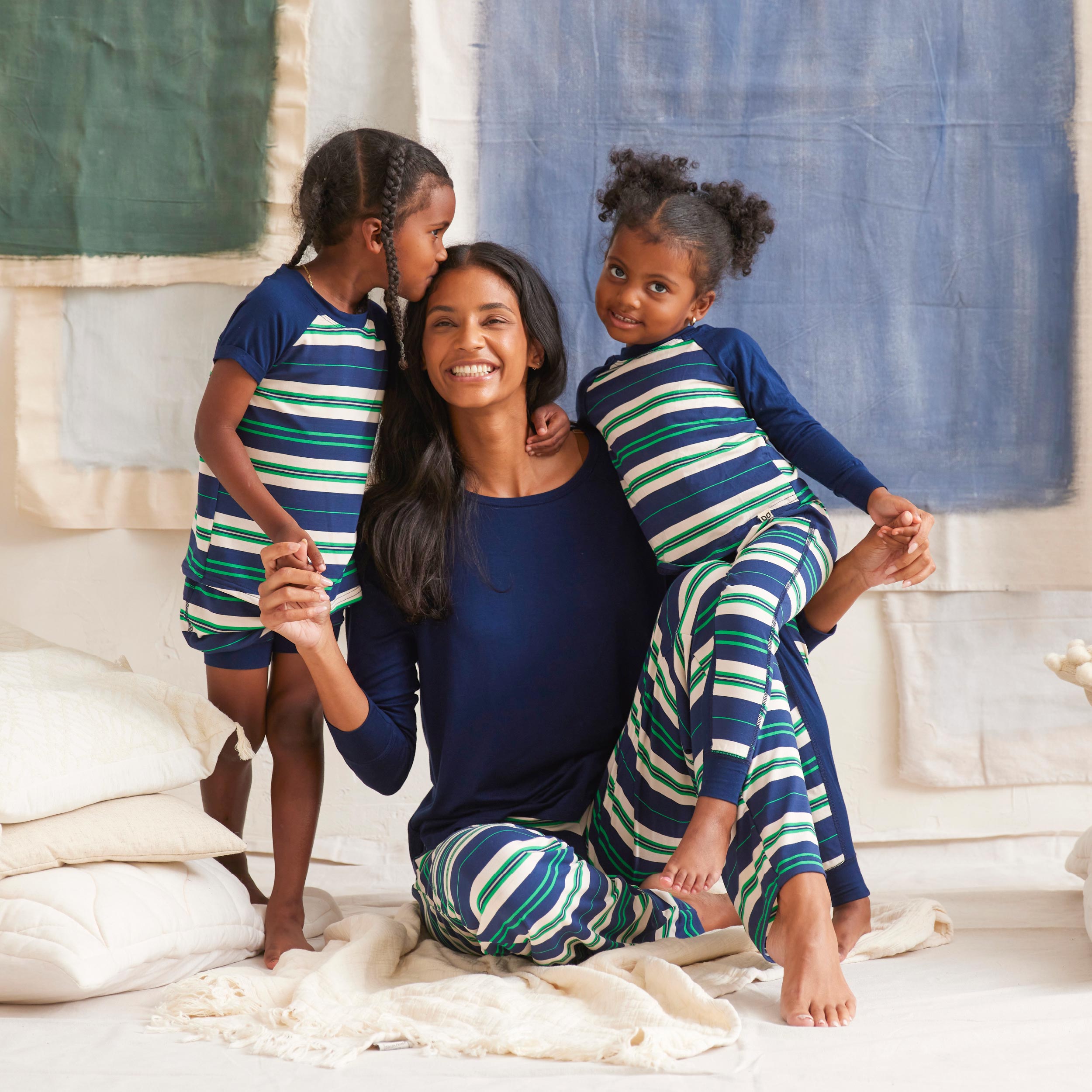
Classic pajama sets. Designed to skim rather than cling. The top should sit close to the shoulder without pulling across the back when you reach forward, and the pant should have enough room through the seat that it does not shift when you turn over. If the waistband is the only thing you notice, the size is right.
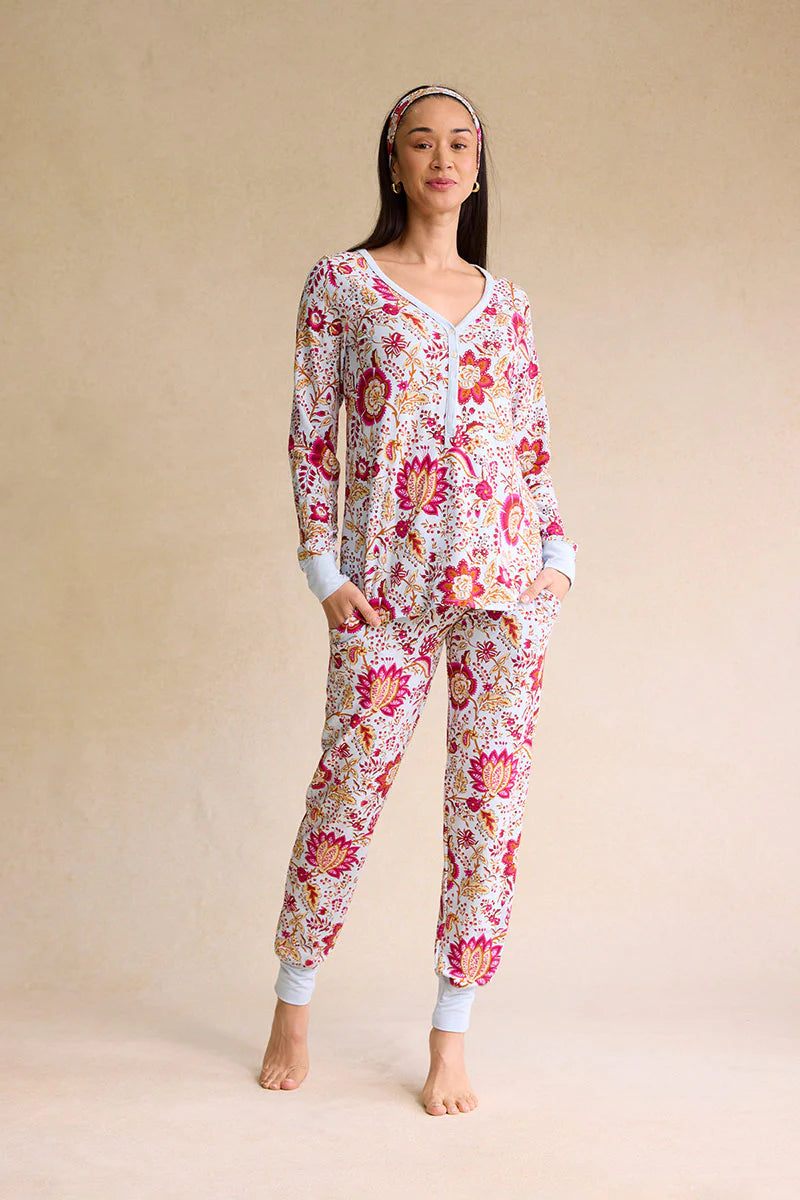
Long sleeve and button-down sets. Fit the same as classic sets through the body, but check the sleeve. A sleeve that ends exactly at the wrist bone will feel short once you bend your arm. It should sit slightly past it.
Nightgowns and nighties. Cut fuller through the hip than the measurements alone suggest, because they need room to move as you turn. If you are between sizes and you are a restless sleeper, take the larger one.
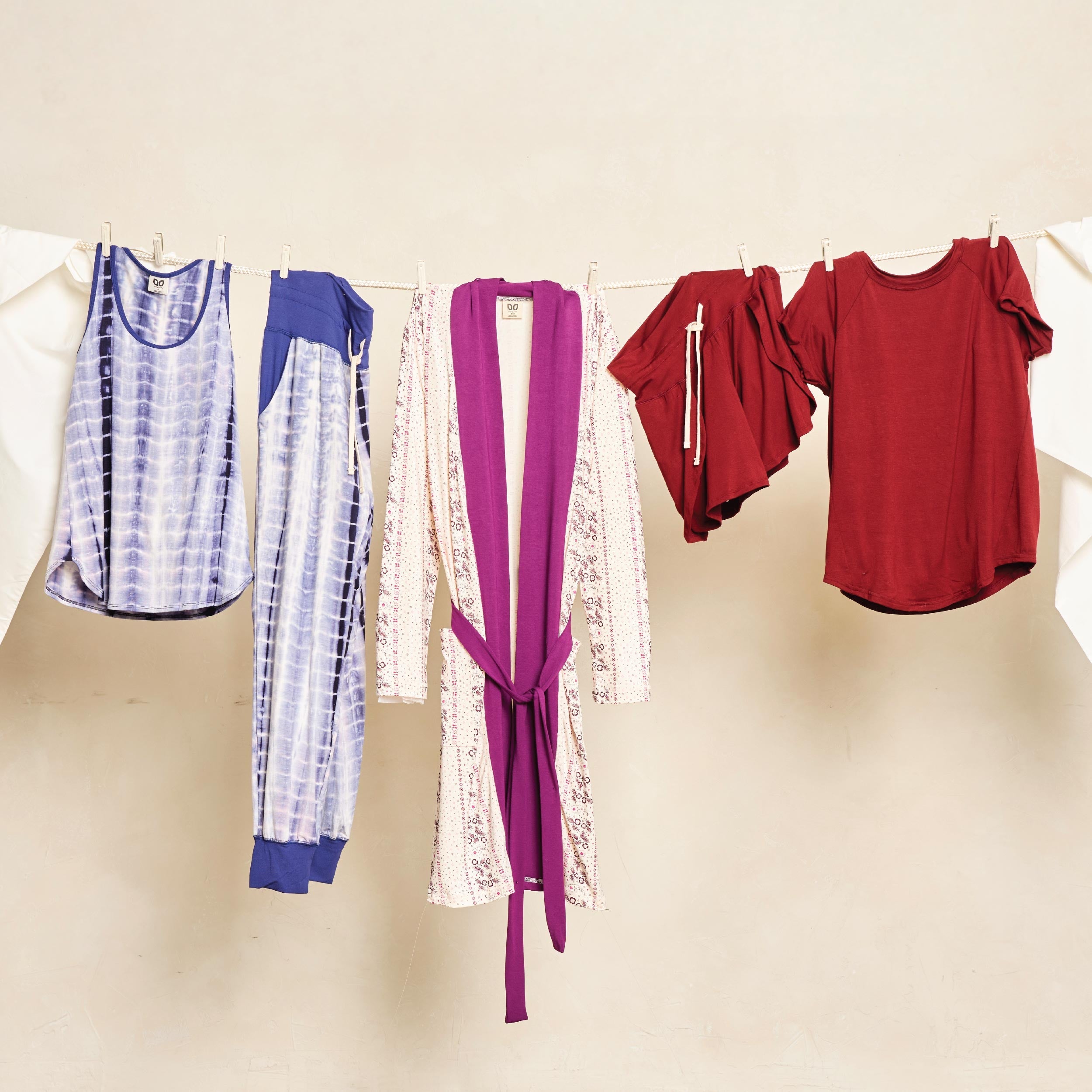
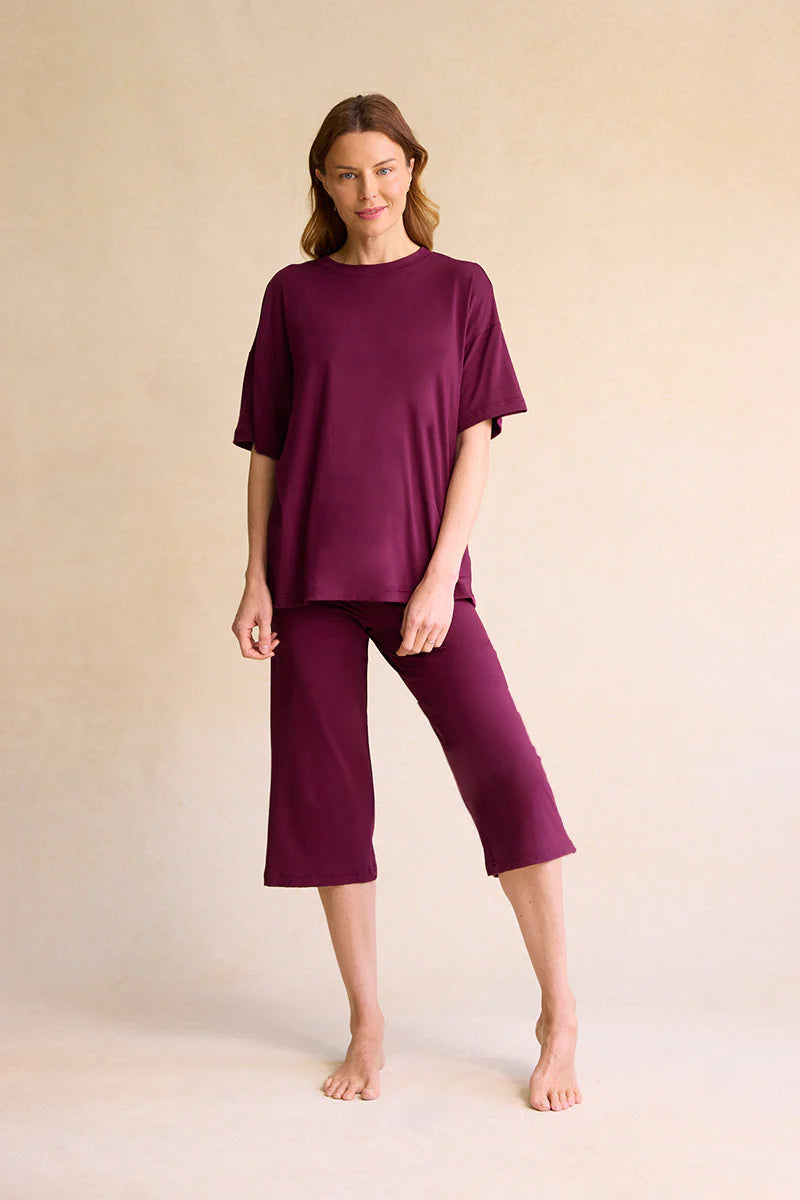
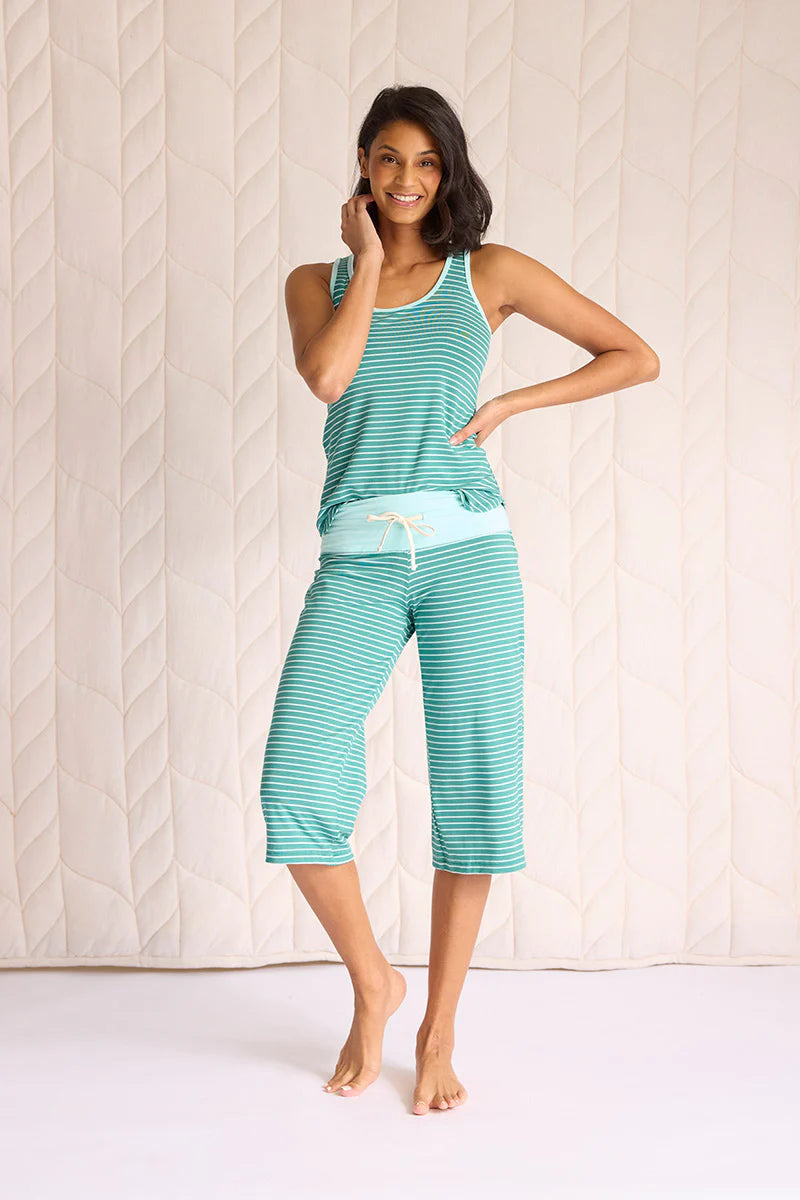
Tank sets and capri sets. Closer through the body than a classic set, since there is less fabric to drape. Worth going by your actual measurements here rather than by what you usually take.
Robes. The most forgiving thing in the range. A robe is meant to wrap generously and belt at whatever tension you like, so it accommodates a wide span of sizes. If you plan to wear it over a full pajama set rather than on its own, size up.
Caftans. Deliberately loose and largely size-flexible. Choose based on how much drape you want, not on your measurements.
Men’s loungewear. Cut straighter through the body than the women’s styles. Fit to your chest measurement and the rest follows.
Between sizes? Read this first
Three questions settle it.
Do you sleep hot? Take the larger size. Airflow around the body is one of the more effective things you can do about overheating, and a closer fit works against it.
Are you buying for someone else? Take the larger size. Sleepwear that is slightly roomy reads as generous. Sleepwear that is slightly tight reads as a comment.
Is it a nightgown or a set? Nightgowns are more forgiving when large and much less forgiving when small, because there is no separate waistband to give. Sets have more tolerance in both directions.
Does bamboo viscose shrink?
Not meaningfully, provided you wash it cool and dry it on low. The fabric is stable at normal laundry temperatures.
Where people run into problems is with heat. A hot wash or a high dryer setting will shrink almost any natural or plant-derived fibre, and bamboo viscose is no exception. Buying a size up to allow for shrinkage is not necessary and usually results in a garment that is simply too big.
Our care guide covers the washing detail, including why fabric softener is worth avoiding.
Fit changes worth planning for
Pregnancy. Rather than sizing up in your usual style, look at pieces cut for a changing shape. A nightgown or a maternity-specific set will stay comfortable for far longer than an oversized regular set, which tends to be too big everywhere except where you need the room.
Postpartum and nursing. Front opening styles are considerably more practical, and a button-down set or a nightgown makes night feeds easier than pulling a top up in the dark.
Recovery from surgery. Loose, front-opening, and nothing sitting at the waist. Size up by one from your usual.
Still not sure?
Send us your measurements and what you are looking at, and we will tell you which size to take. We would rather spend two minutes on that than have you send something back.
Frequently asked questions
Should I size up in pajamas?
Only if you are between sizes, sleep hot, or are buying a gift. Sleepwear is already cut with room in it, so sizing up as a default usually gives you something looser than intended.
How should pajamas fit?
Close enough that they do not shift around when you turn over, loose enough that nothing pulls when you reach or bend. The waistband should be the only part you are aware of.
Do bamboo pajamas shrink in the wash?
Not if washed cool and dried on low. Heat is what causes shrinkage, so there is no need to buy a size up to allow for it.
What size robe should I get?
Your usual size in most cases. Size up if you plan to wear it over a full pajama set rather than over a nightgown or on its own.
I am between two sizes, which do I choose?
The larger one, particularly for nightgowns. Slightly roomy sleepwear is comfortable. Slightly tight sleepwear gets worn once.