


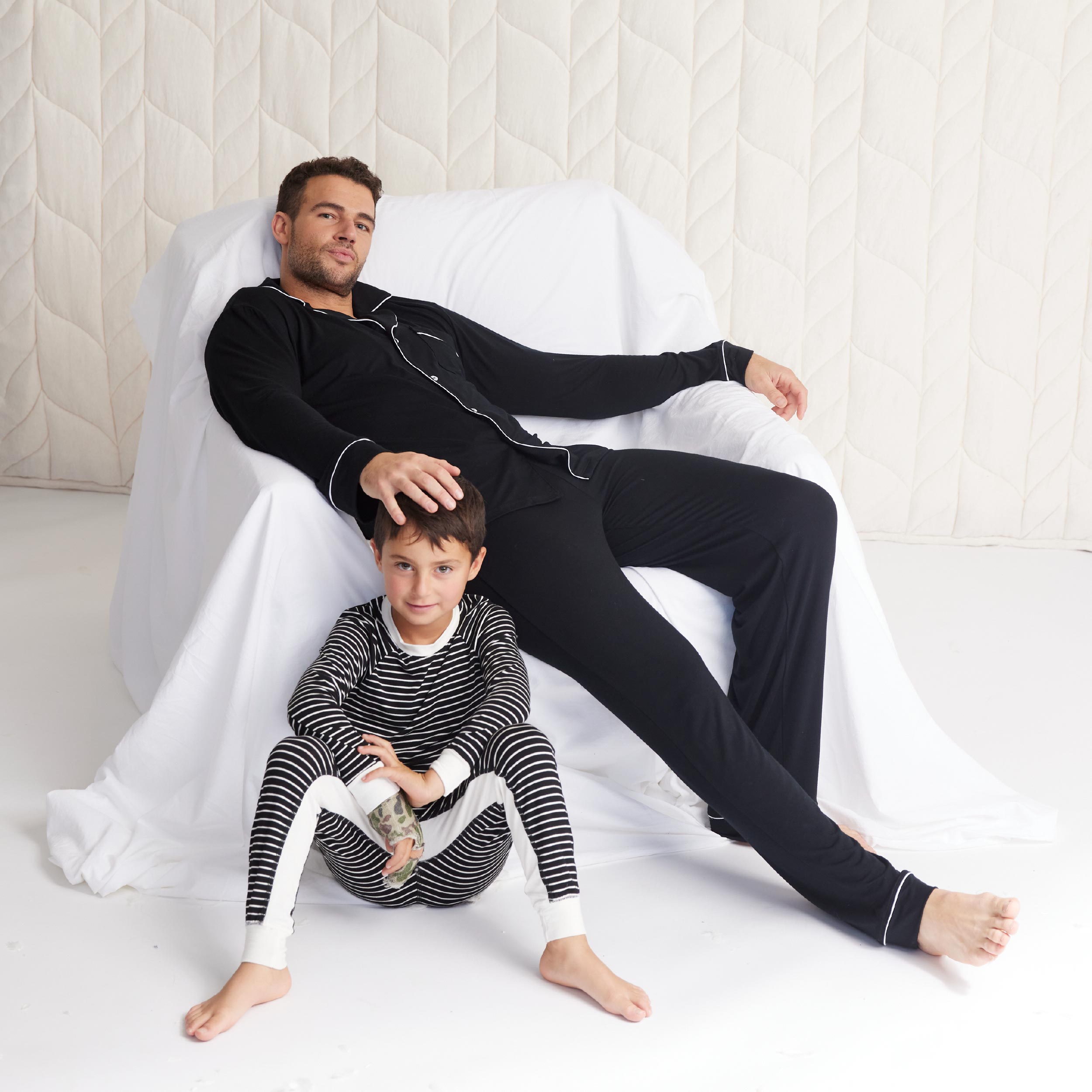
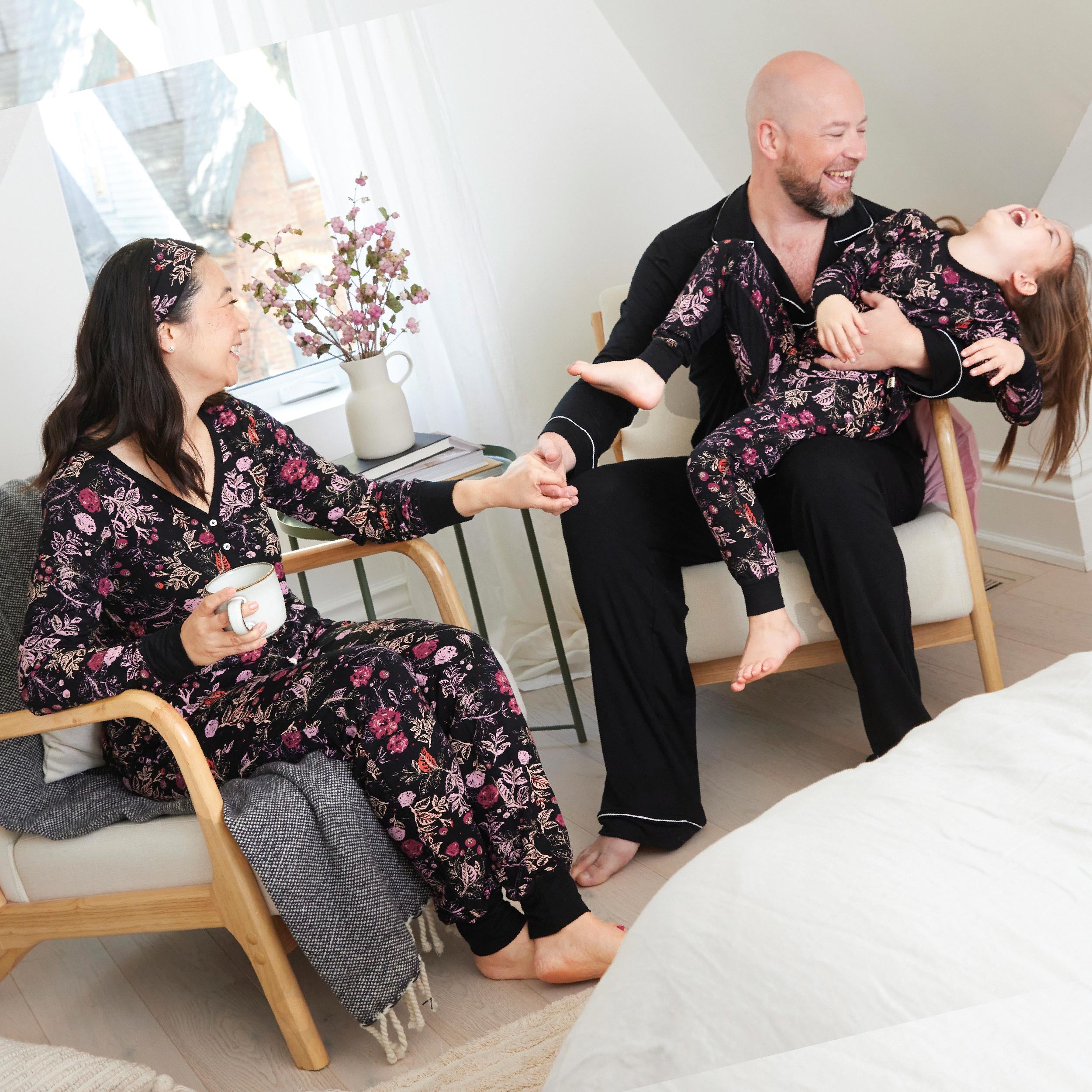

Most people own one set of pyjamas and wear them all year, then wonder why they wake up damp in July and cold in February. The fabric is usually doing its best. It is simply the wrong weight for nine months of the year.
Here is how sleepwear changes across the seasons, and what to actually reach for as the temperature moves.
Start with the bedroom, not the calendar
The month on the wall matters less than the temperature you sleep in. A well-insulated bedroom in a Canadian winter can sit warmer than an unshaded upstairs room in June. Sleep researchers tend to land on somewhere between 15 and 19 degrees Celsius as the range most people sleep best in, which is cooler than most of us keep the house.
So before buying anything, work out which of these you are:
-
You run hot. You kick the duvet off, you wake up warm, and summer is genuinely difficult. Prioritise airflow and moisture management year round, and go lighter than the season suggests.
-
You run cold. Socks in bed, extra blanket, and you are the one turning the heating up. You can wear a heavier weight for longer into spring.
-
You change through the night. Warm when you go to sleep, cold at three in the morning. Layering matters more for you than any single garment.
Summer
The instinct is to wear as little as possible, and it is not quite right. Bare skin against sheets traps sweat with nowhere to go. A light layer that moves moisture away from you is more comfortable than none at all.
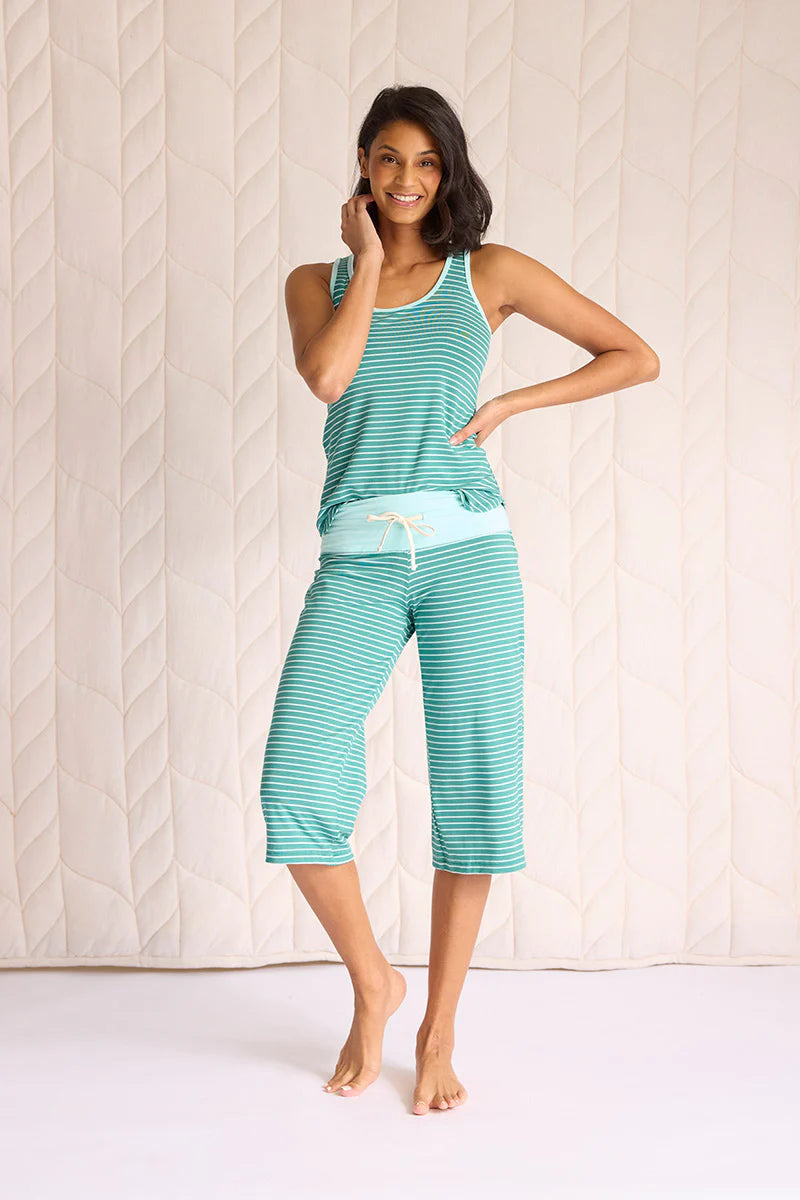
What works: tank sets for the hottest nights, and capri sets when you want a little more coverage without the full length. Both leave the arms and lower legs free, which is where you lose heat most efficiently.
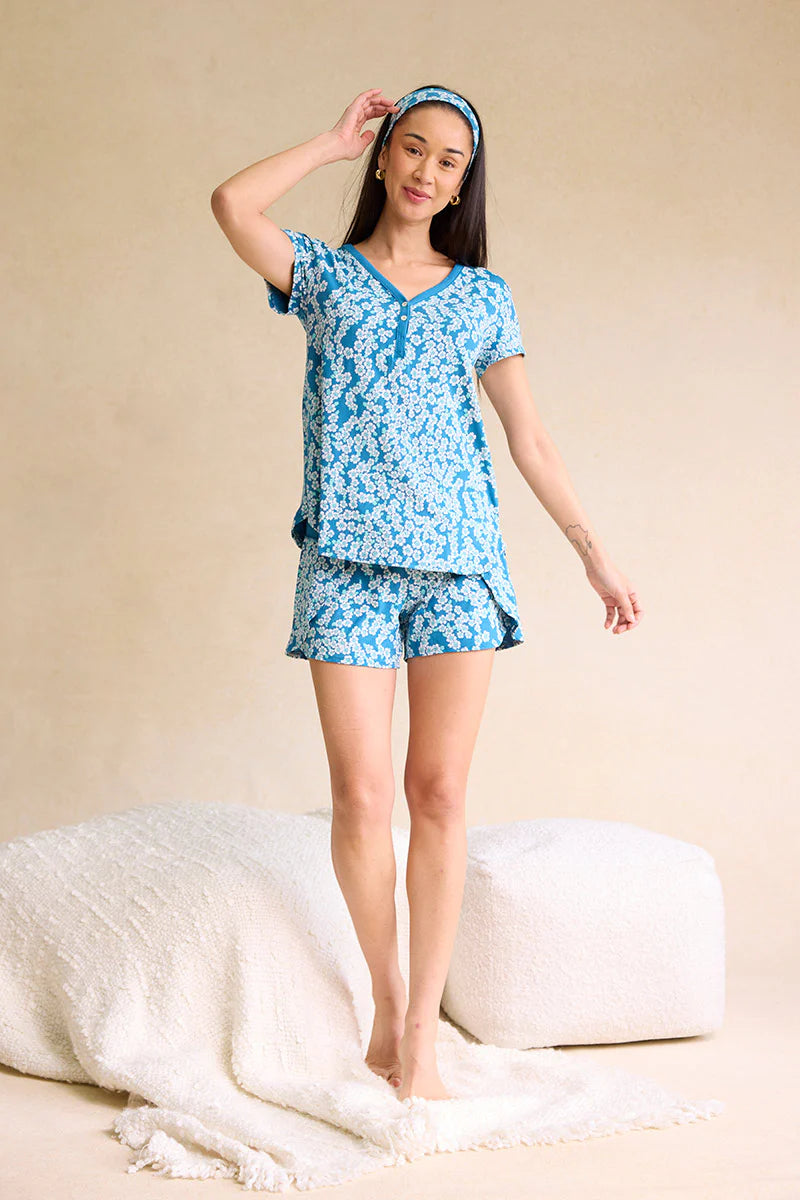
A short nightgown is the other summer answer, and the coolest thing in the drawer for most people. One layer, no waistband, and nothing gathering at the middle.
Fabric matters more in summer than in any other season. Bamboo viscose moves moisture off the skin instead of holding it against you, which is the difference between waking up damp and not noticing the night at all.
Autumn and spring, the awkward months
These are the seasons people get wrong, because the temperature swings within a single night. Warm at eleven, cold by four.
The answer is not a heavier set. It is a short sleeve set with something to add and remove, so you are not committed at bedtime to whatever the room does at four in the morning. A robe over the end of the bed does more work here than most people expect.
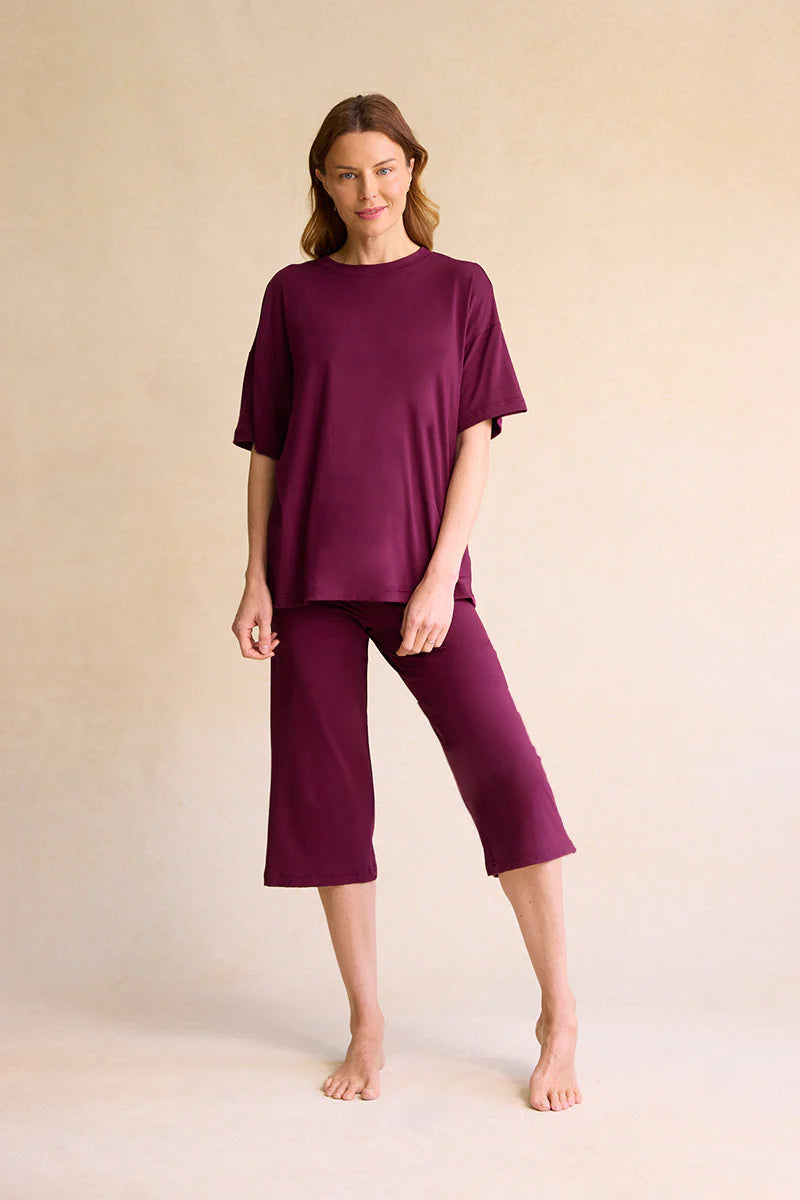
If you would rather commit to one garment, a capri set sits nicely in the middle: long enough through the body to be warm, short enough at the leg not to overheat.
Winter
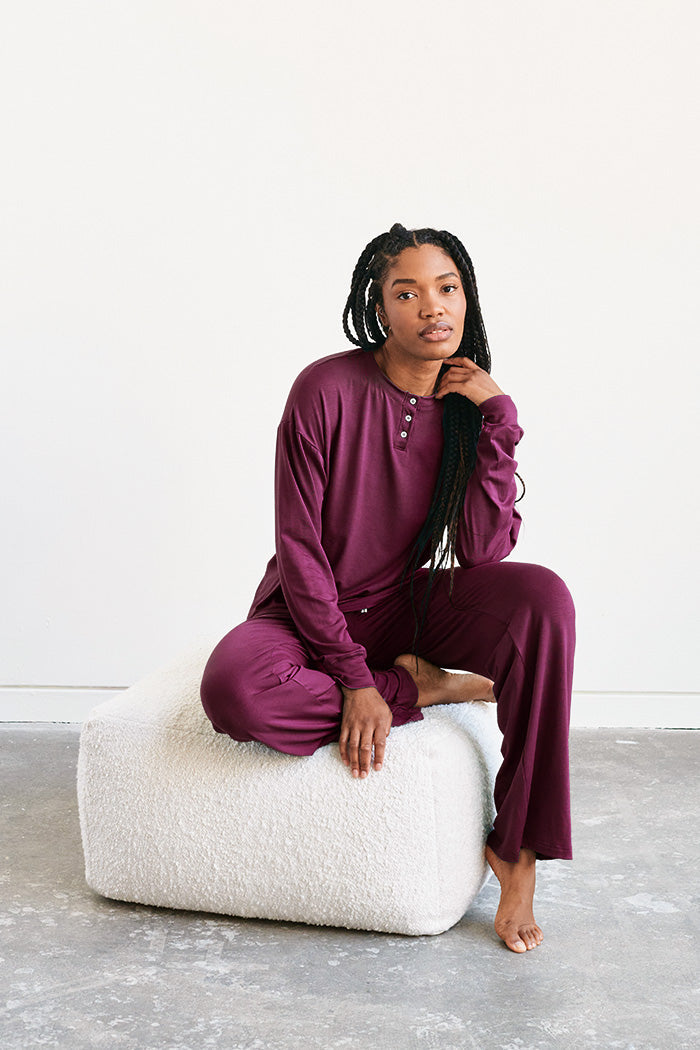
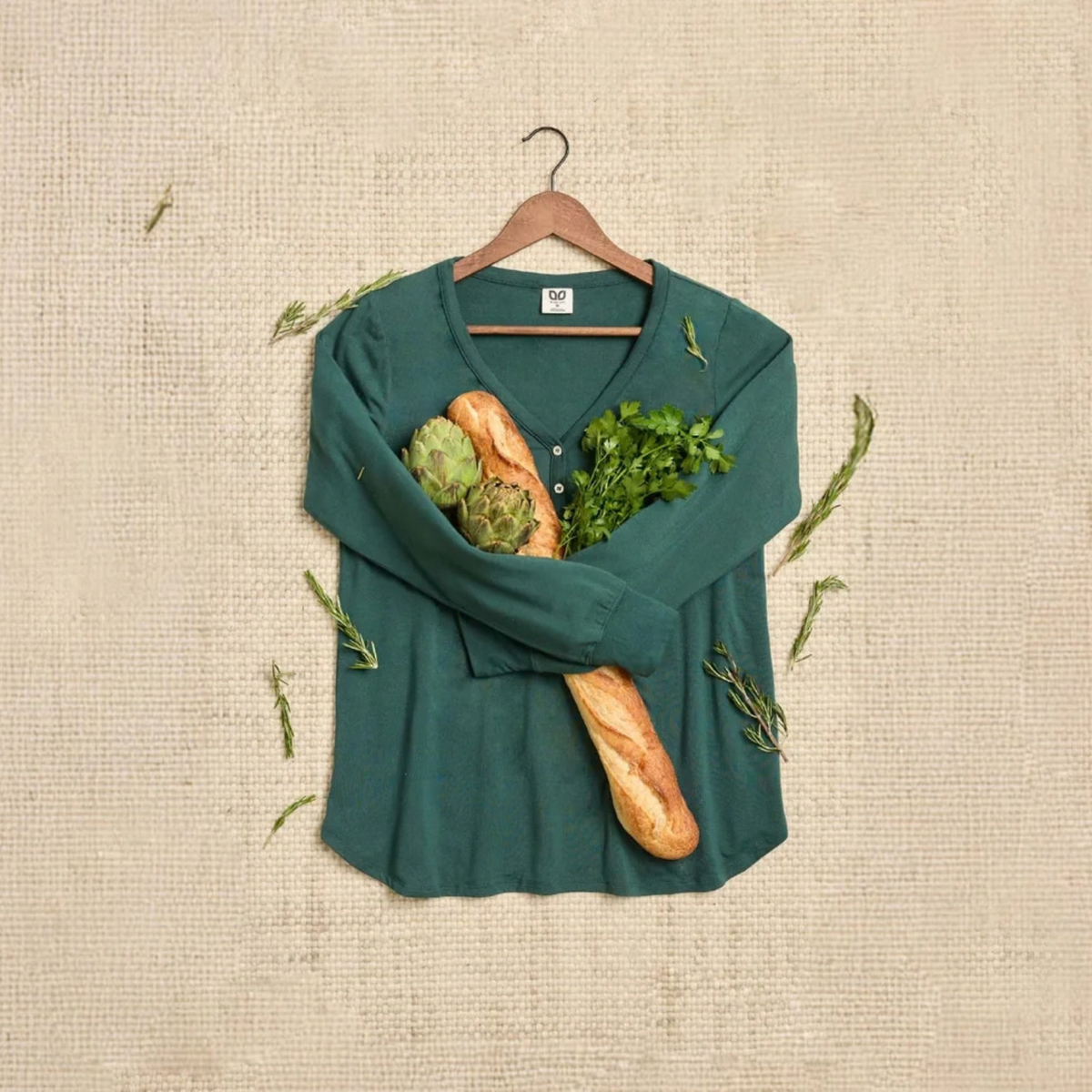
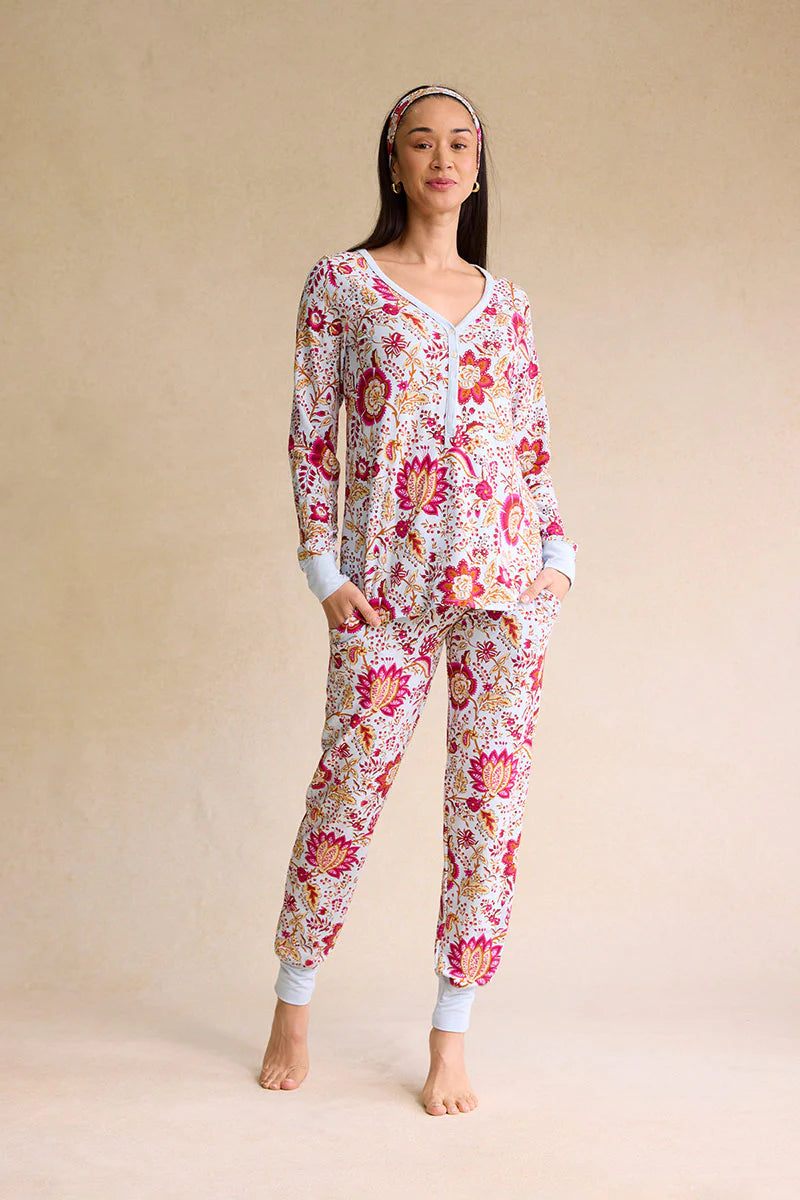
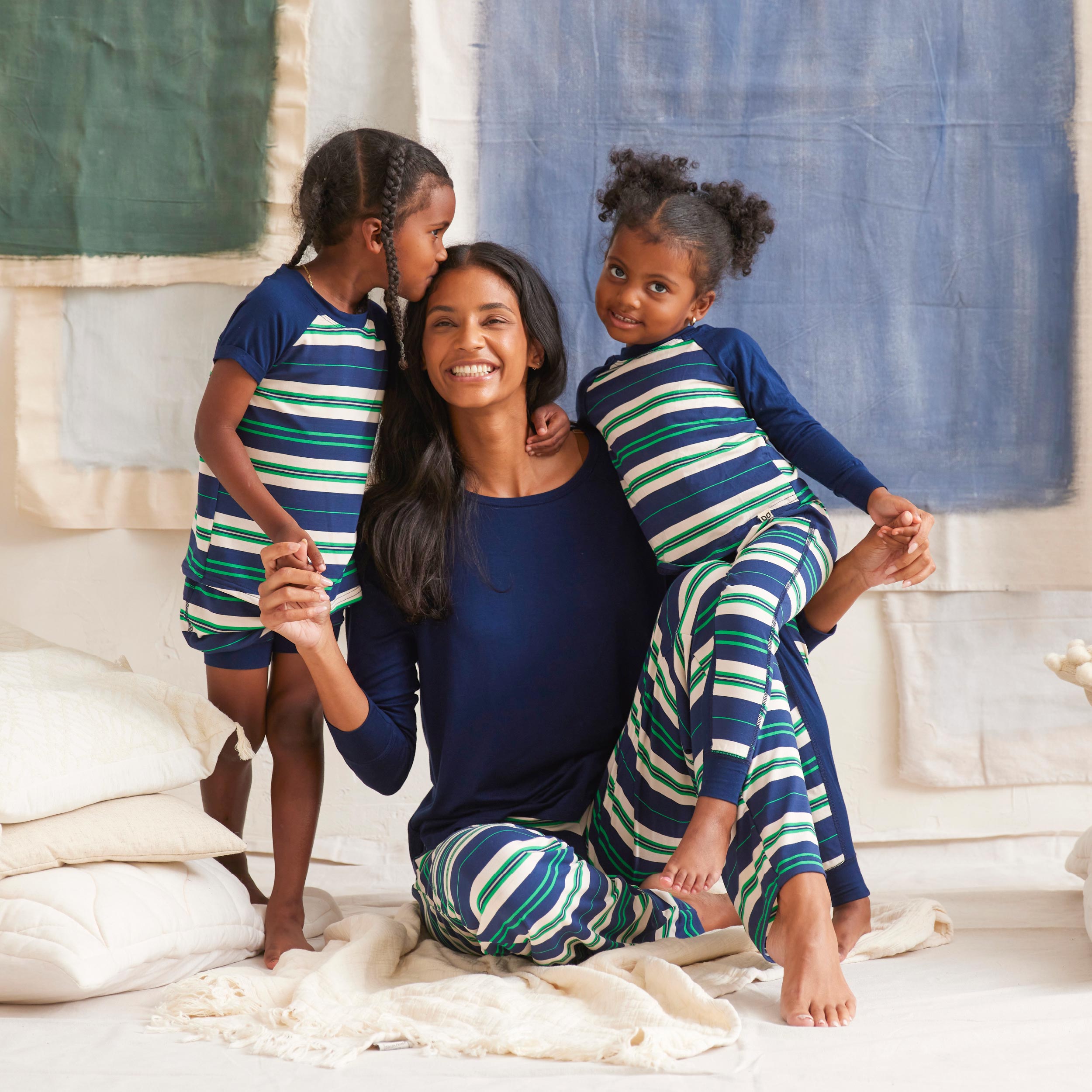
This is where long sleeve sets earn their place. Full coverage, and the only configuration that keeps the wrists and ankles warm, which is disproportionately where people feel cold.
A common mistake is going straight to the heaviest fabric available. Thick fleece traps heat well and moisture badly, so you overheat, sweat into it, and then get cold when the sweat cools. A breathable fabric at full coverage keeps you warmer through the whole night than a heavy one that has stopped working by two in the morning.
If your bedroom is genuinely cold, layer a long nightgown under a robe before you reach for something thicker. There is no gap at the waist that way.
A quick reference
|
If your bedroom is |
Reach for |
Why |
|---|---|---|
|
Above 22°C |
Tank set or short nightgown |
Maximum airflow, minimum fabric |
|
19–22°C |
Capri set or short sleeve set |
Covered but not insulated |
|
16–19°C |
Short sleeve set plus a robe |
Adjustable through the night |
|
Below 16°C |
Long sleeve set |
Wrists and ankles covered |
Two things worth more than the season
Fit. A set that is slightly too tight will feel hot in any season, because it stops air moving between the fabric and your skin. If you are between sizes, take the larger one. Our sizing and fit guide covers this properly.
Fabric. A breathable fabric at the wrong weight will still outperform a synthetic one at the right weight. If you only change one thing, change what it is made of, not how much of it there is.
Frequently asked questions
What should I wear to bed in summer?
A tank set or a short nightgown in a breathable fabric. Going without anything is usually less comfortable than a light layer, because bare skin against sheets has nowhere to put moisture.
Are long sleeve pyjamas too warm for spring?
For most people, yes, by about April. A short sleeve set with a robe you can add and remove handles a fluctuating night better than committing to full coverage.
Should sleepwear be loose or fitted?
Loose enough that air moves between the fabric and your skin, close enough that it does not shift around when you turn over. Tight sleepwear feels warmer regardless of the weight.
What is the best fabric for year-round sleepwear?
Bamboo viscose handles both directions well: it moves moisture in summer and insulates without trapping sweat in winter. If you want one fabric for the whole year, that is the one to look at.
Do I need different sleepwear for each season?
Not four separate wardrobes. Most people are comfortable with a light set, a full-coverage set and a robe. That combination covers the whole year with a bit of layering.