

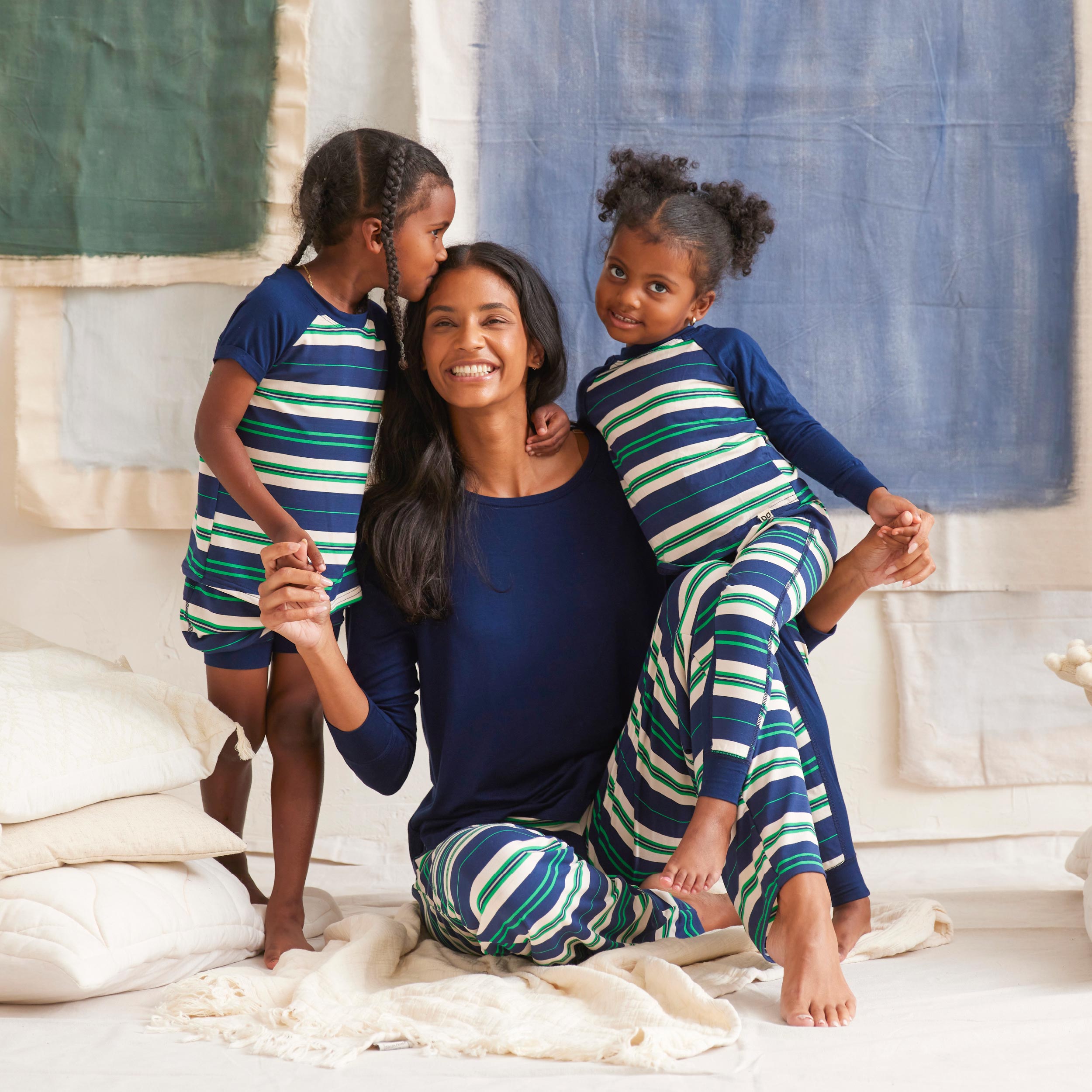



Fashion influences how we live, but it also affects the planet. Fast fashion creates waste, pollution, and unfair working conditions. The good news is you can help change that. Every purchase you make shapes how the fashion industry operates.
Here’s how the industry is becoming more sustainable and how This Is J puts those values into practice.
Sustainability Challenges in Fashion
The fashion industry produces about 10% of global carbon emissions and uses vast amounts of water. Many of the problems start in how clothes are made, sold, and discarded.
Here’s what drives most of the damage:
-
Overproduction and waste: Many brands make far more than people need. Unused clothes often end up in landfills.
-
Water and chemical pollution: Dyeing and treating fabrics can pollute waterways.
-
Unfair labor: Workers in some regions still face unsafe conditions and low pay.
-
Synthetic fibers: These fabrics release microplastics that harm marine life.
Real change starts with better materials, fair labor, and responsible choices—from brands and shoppers alike.
Eco-Friendly Materials
Sustainable fashion starts with smarter material choices. Brands that use renewable and low-impact fabrics help lower pollution and protect resources.
Here are a few examples leading that shift:
-
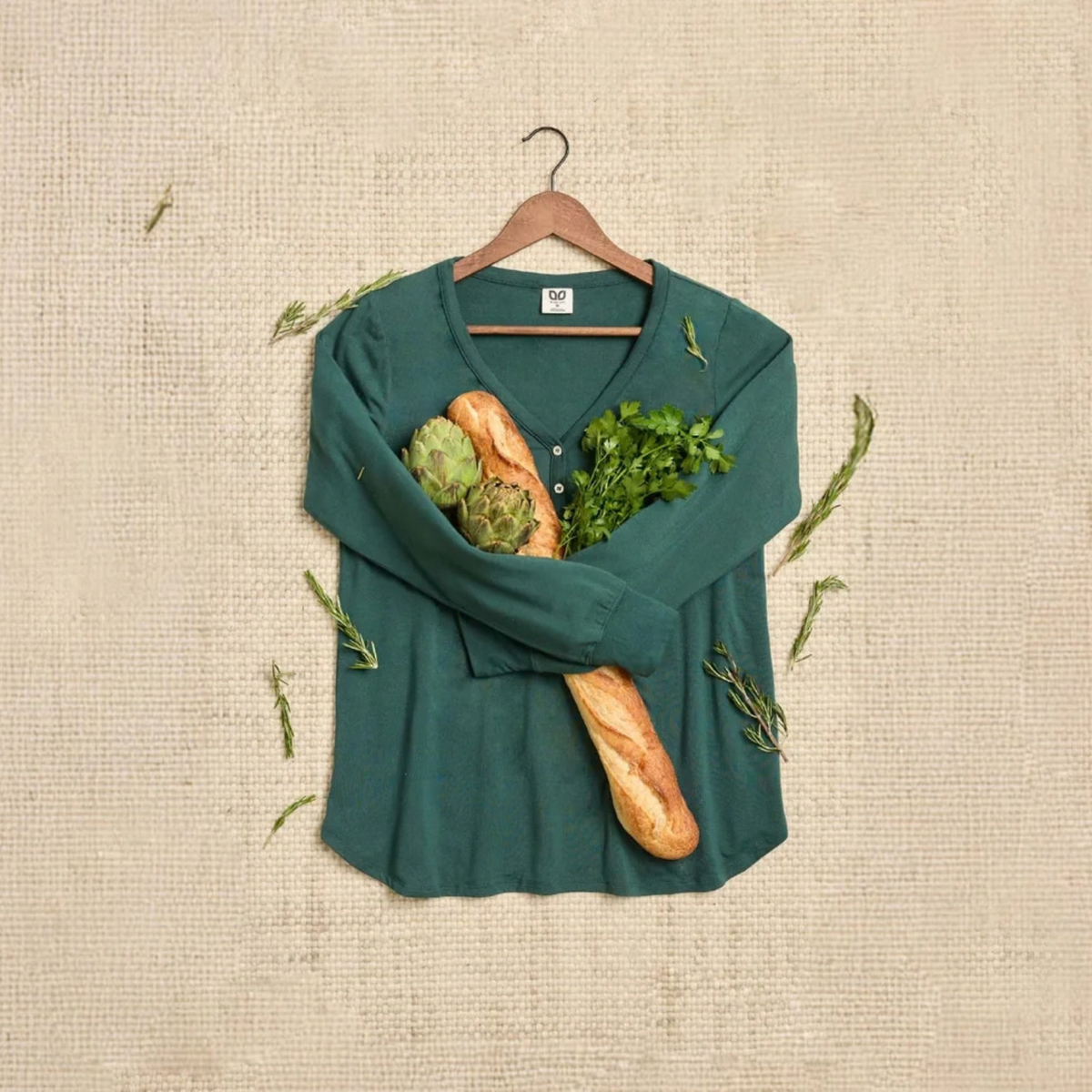
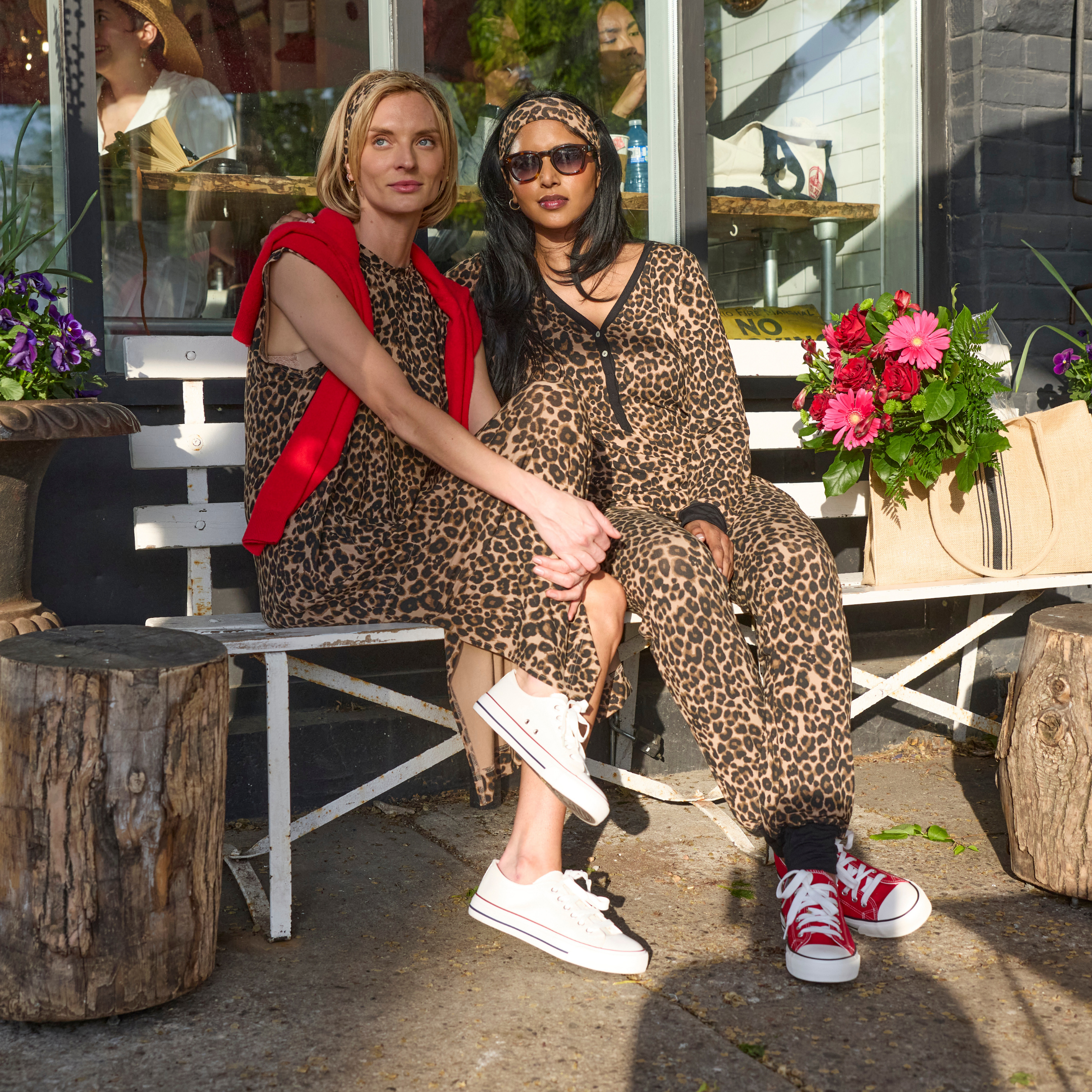
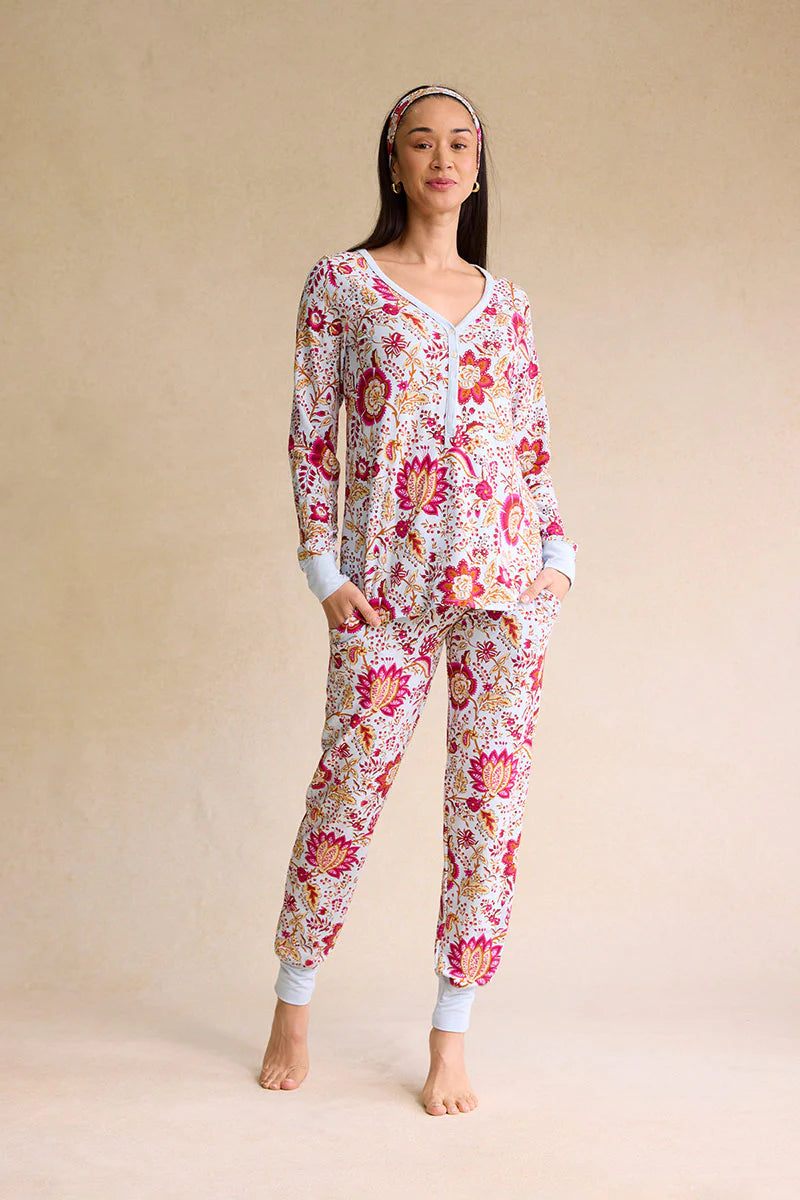
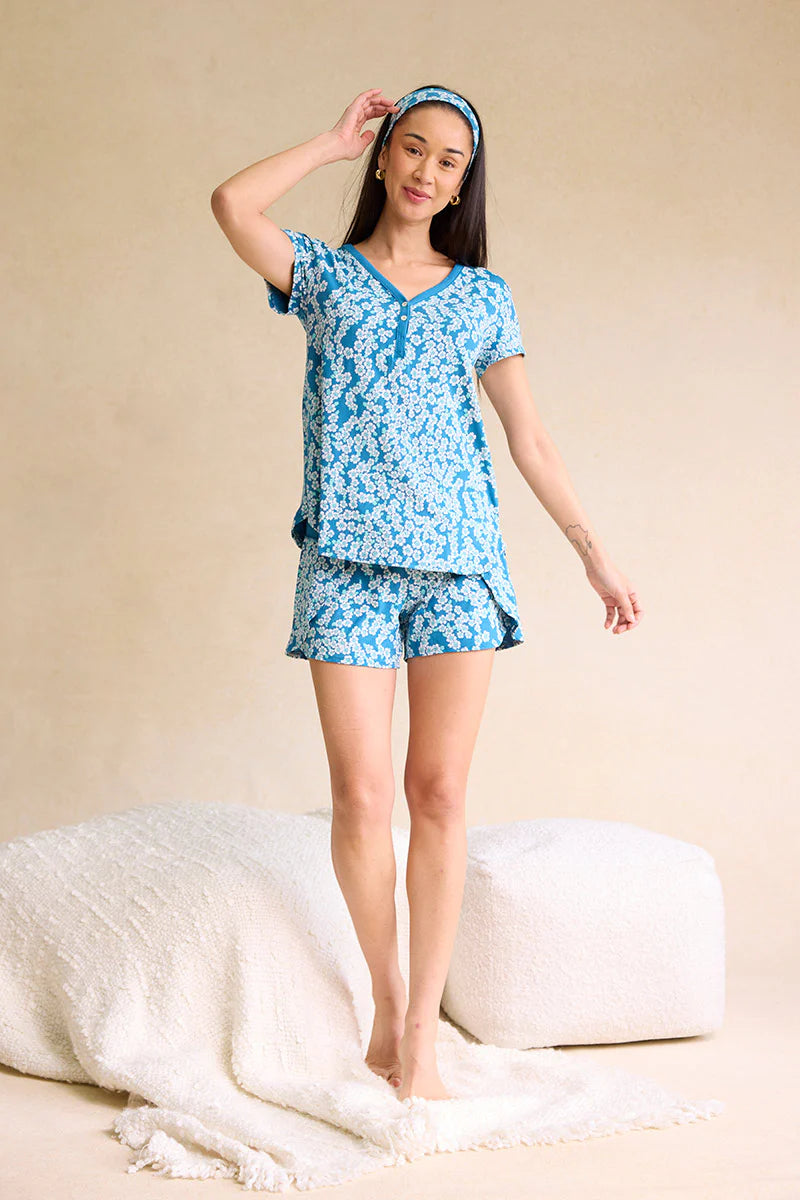
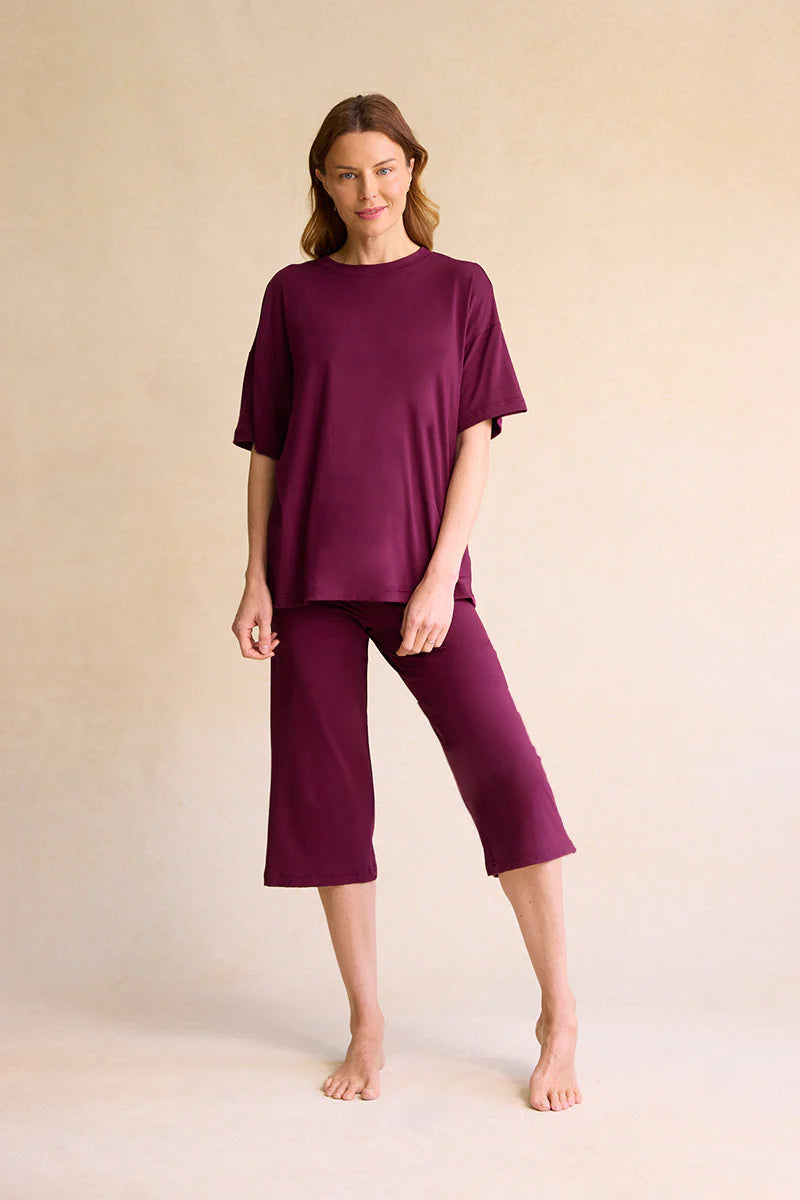
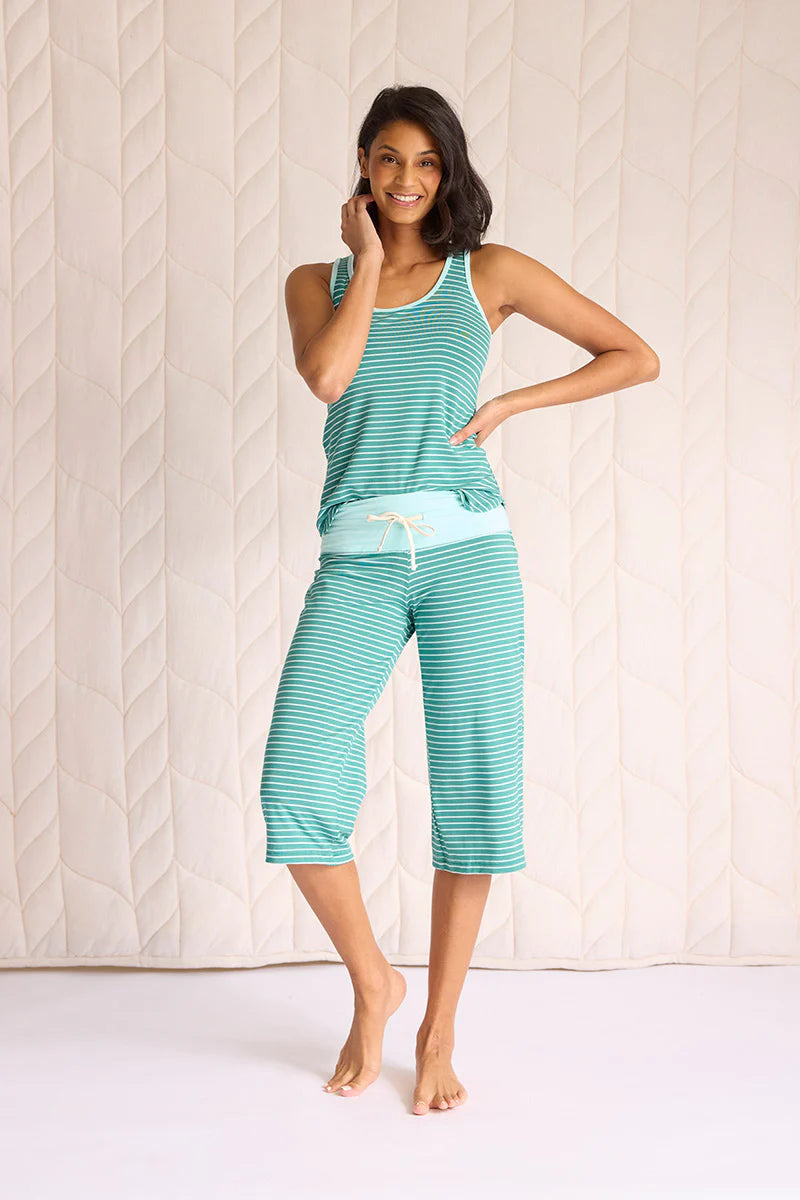
Viscose from bamboo: This soft, breathable, and durable fabric comes from renewable sources and has a lower environmental impact than many synthetic fibers. You’ll find it in This Is J’s Bamboo Jammers; sleepwear designed for comfort and sustainability.
-
Organic cotton: It’s grown without harmful chemicals and conserves water.
-
Tencel (Lyocell): Made from wood pulp in a closed-loop process that reuses water and solvents.
-
Recycled fibers: Turning old textiles into new fabrics keeps clothing out of landfills.
When you choose garments made from eco-conscious materials, you support cleaner production and reduce waste.
Ethical Manufacturing
Sustainability also means treating people fairly. Ethical manufacturing protects workers and keeps production transparent from start to finish.
Responsible brands:
-
Pay fair wages and share how and where their products are made.
-
Partner with certified or local factories to reduce transportation emissions.
-
Keep working conditions safe and respectful.
At This Is J, every pair of Bamboo Jammers is produced under strict ethical standards. From design to delivery, the brand stays committed to people and the planet.
How This Is J Practices Sustainability
This Is J believes comfort and sustainability go hand in hand. The brand’s process focuses on quality, responsibility, and long-term use.
Here’s what that looks like:
-
Responsible sourcing: The viscose from bamboo used in Bamboo Jammers comes from renewable, eco-conscious sources.
-
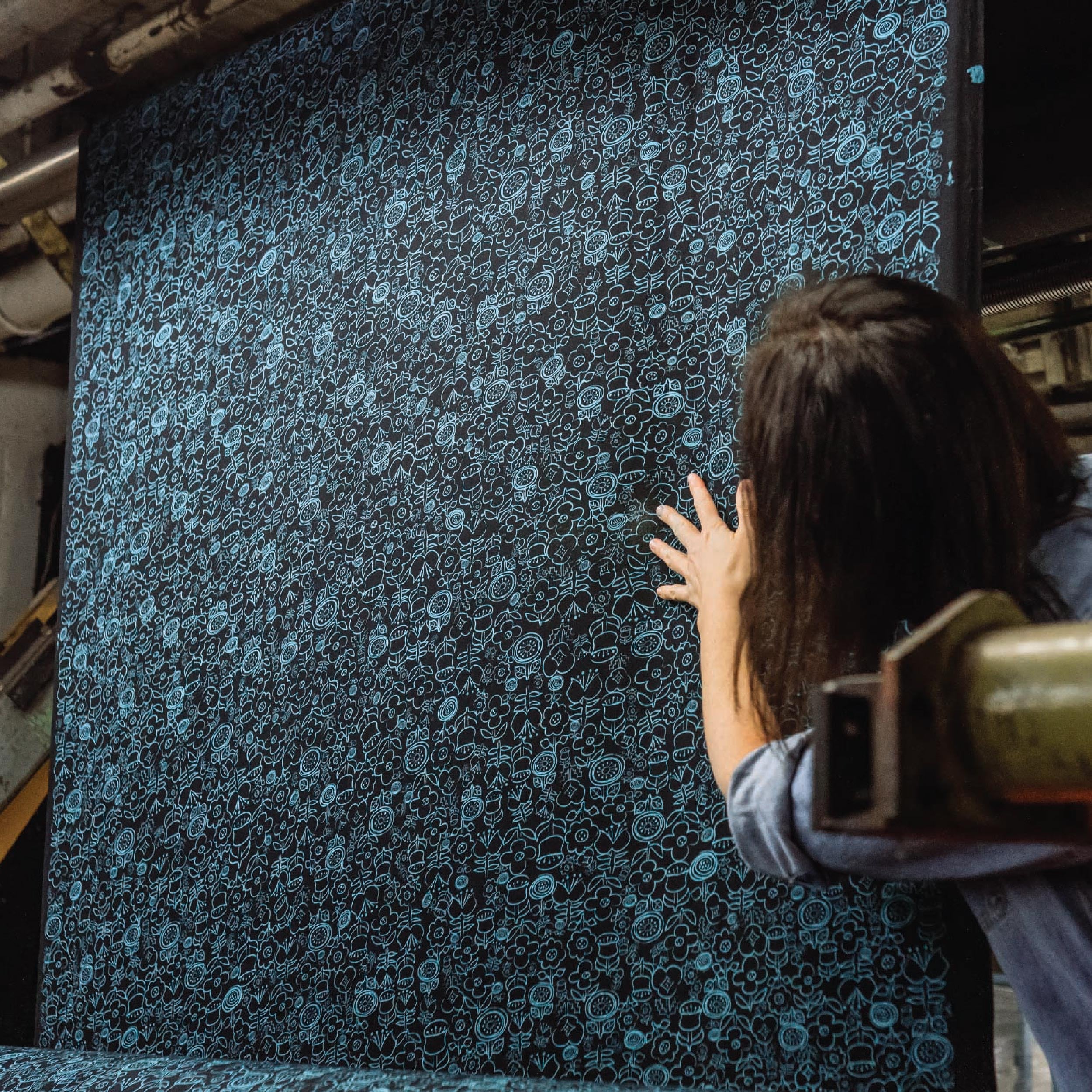
Efficient production: Facilities reduce waste and energy use at every stage.
-
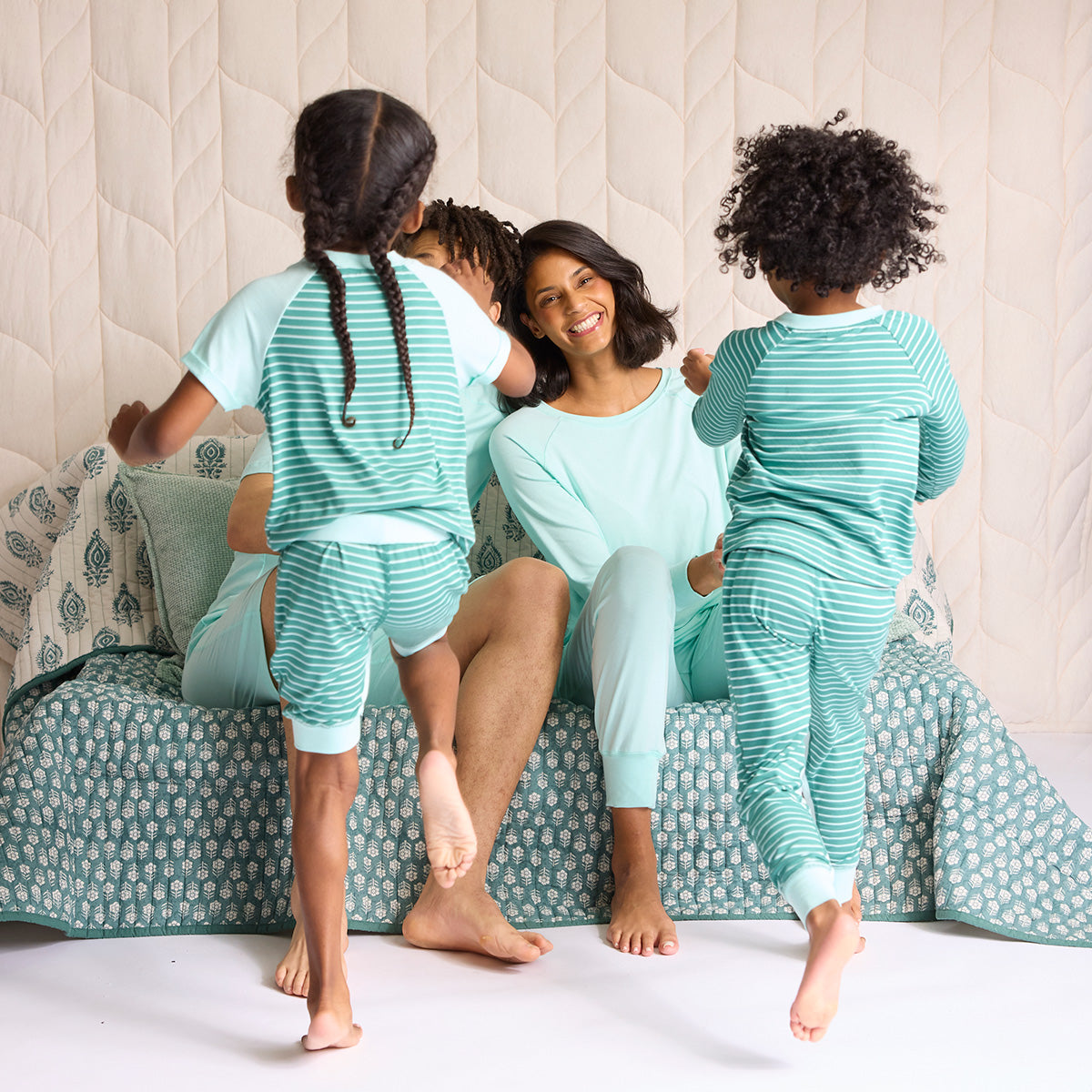
Durable design: Products like Family Matching sets and everyday loungewear last through years of wear and washing.
-
Minimal packaging: Recyclable, low-waste packaging keeps the footprint small.
-
Community and loyalty: The Loyalty Program rewards customers who value sustainable living.
When you wear Bamboo Jammers, you support a brand that values ethical choices and thoughtful design.
Sustainability in fashion depends on all of us. The clothes you buy and the brands you support make a real impact.
By choosing products made with viscose from bamboo and produced ethically, you support a cleaner and fairer fashion industry.
Brands like This Is J show that style, comfort, and responsibility can exist at the same time. Explore our patterns and collections to find pieces that feel good inside and out.