
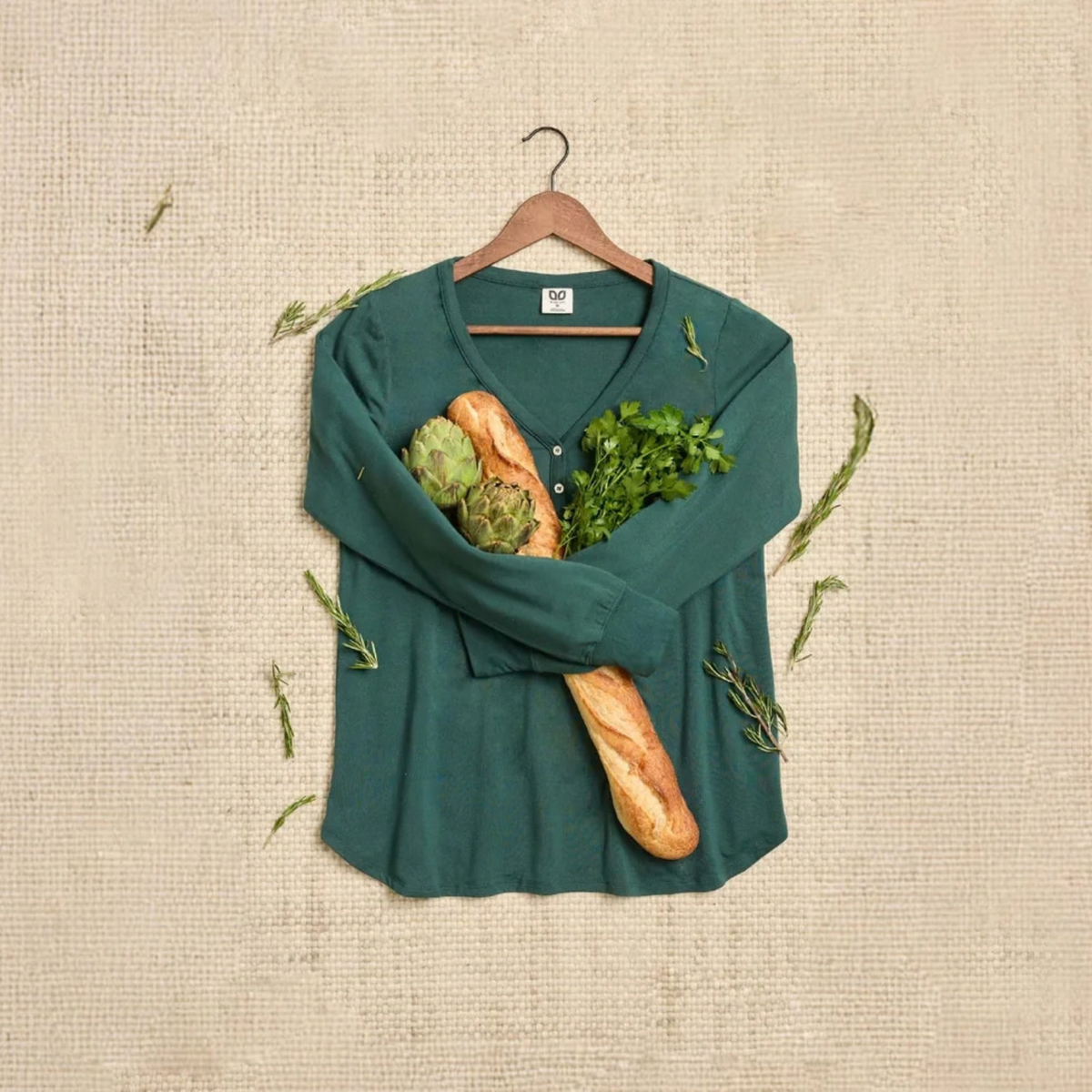

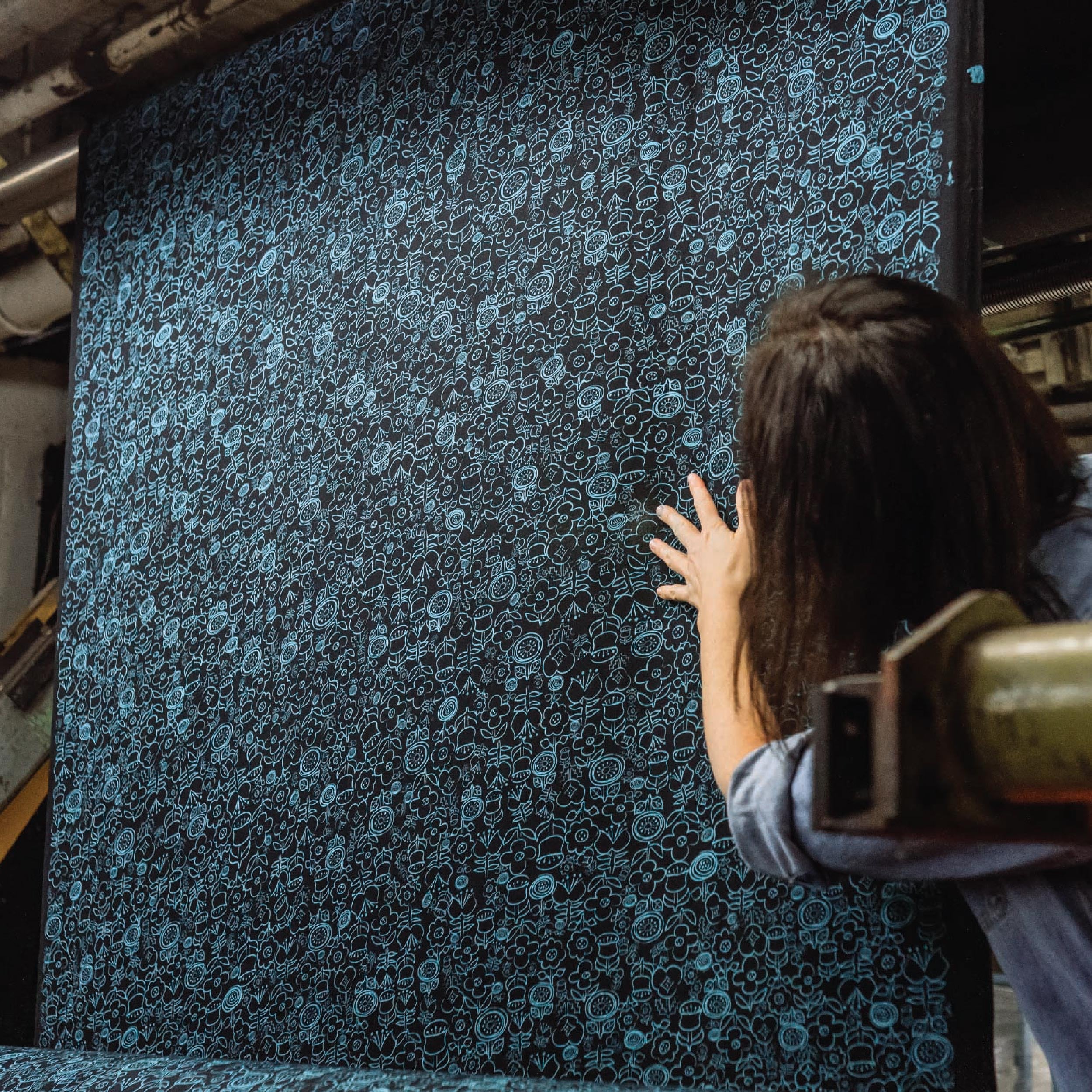

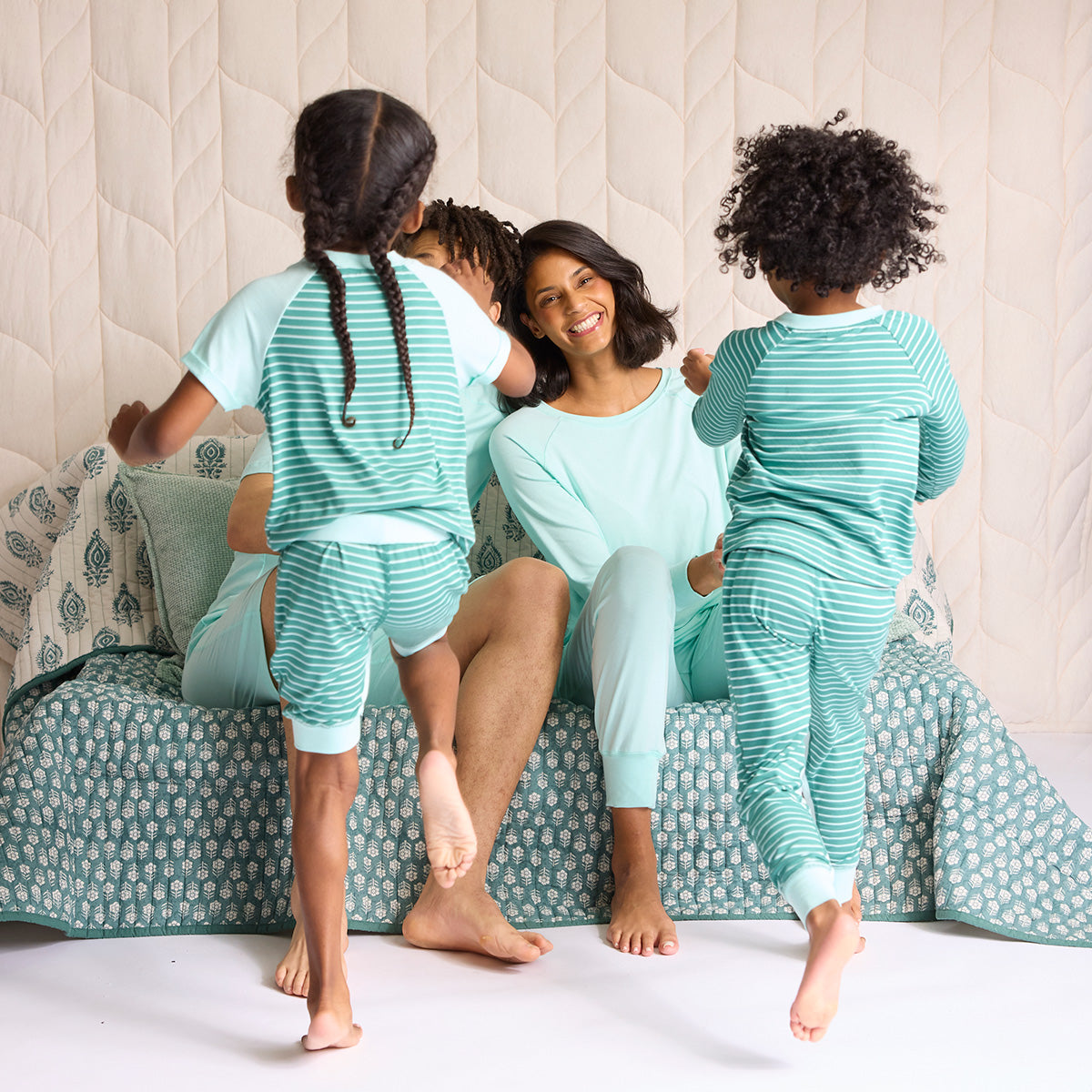
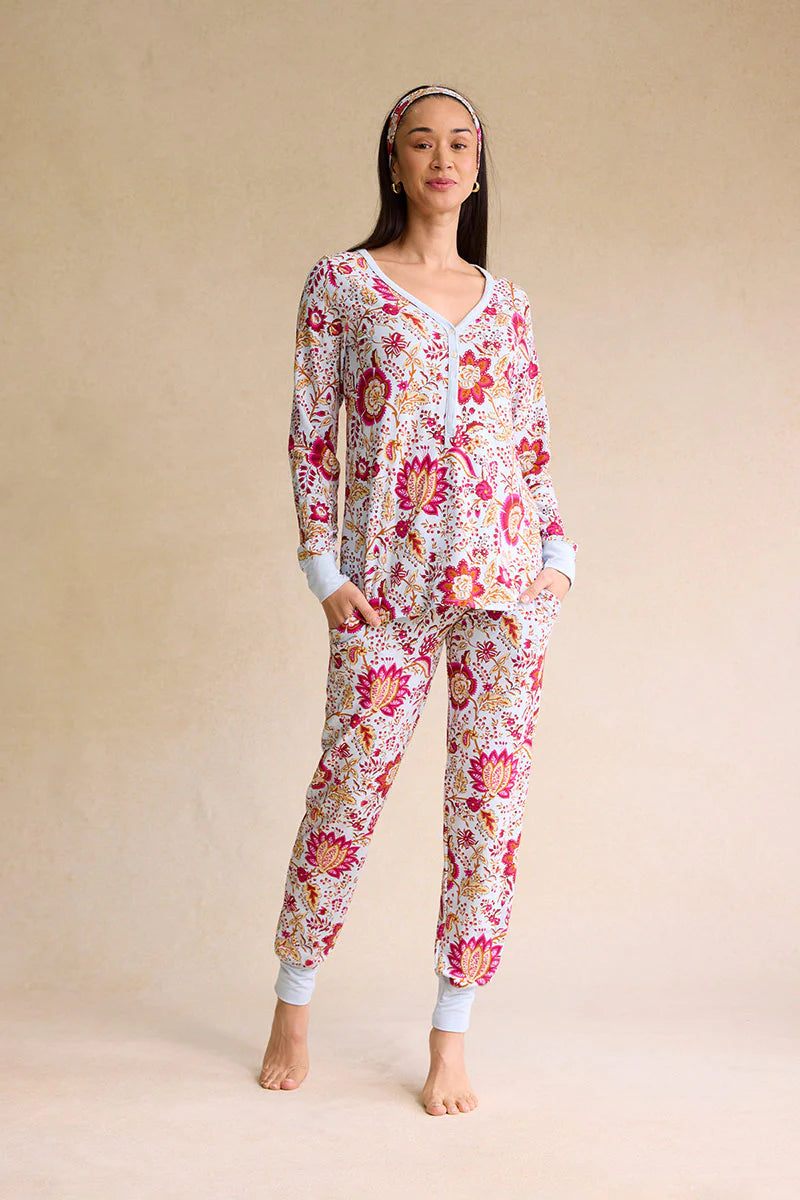
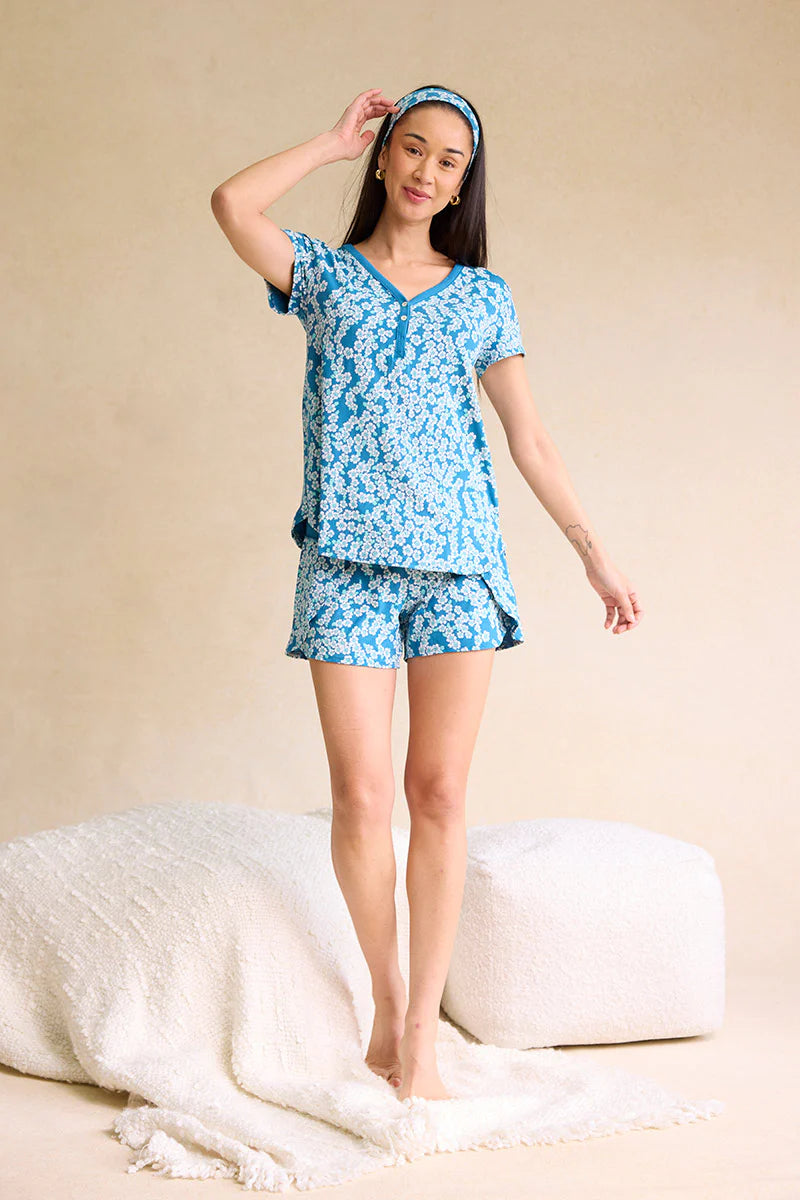
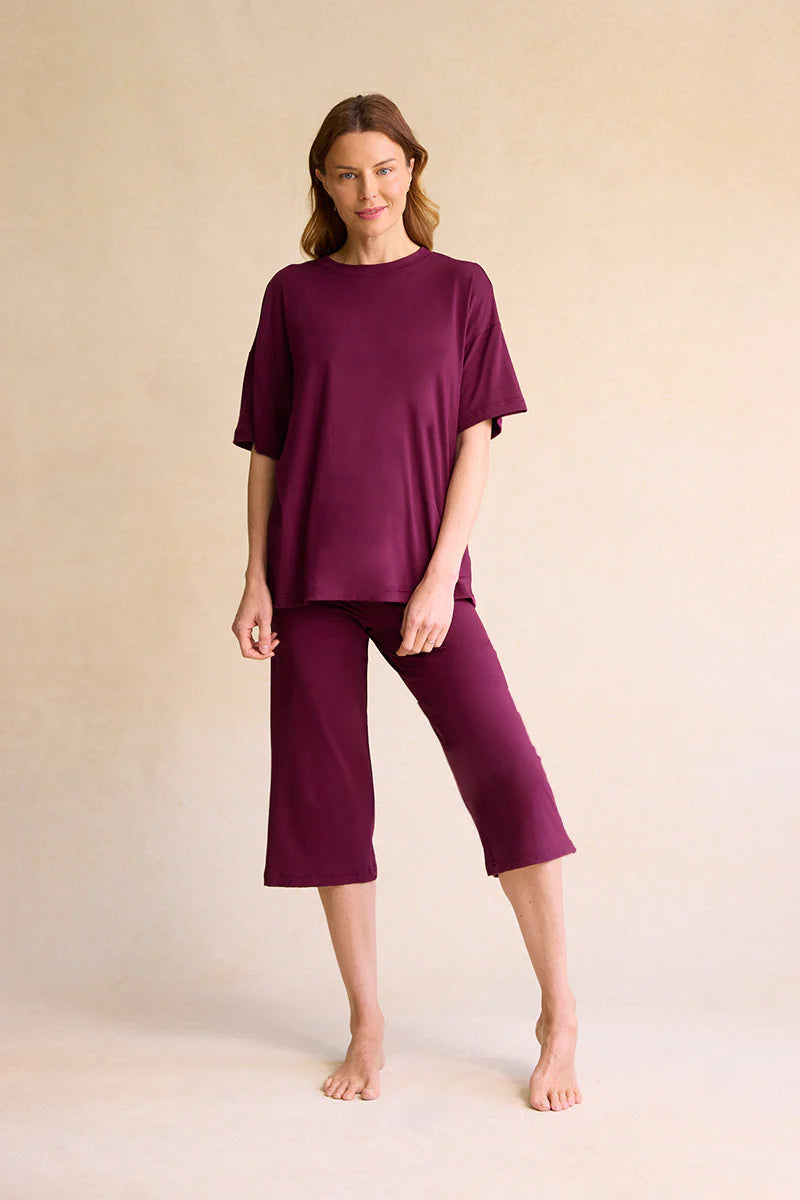
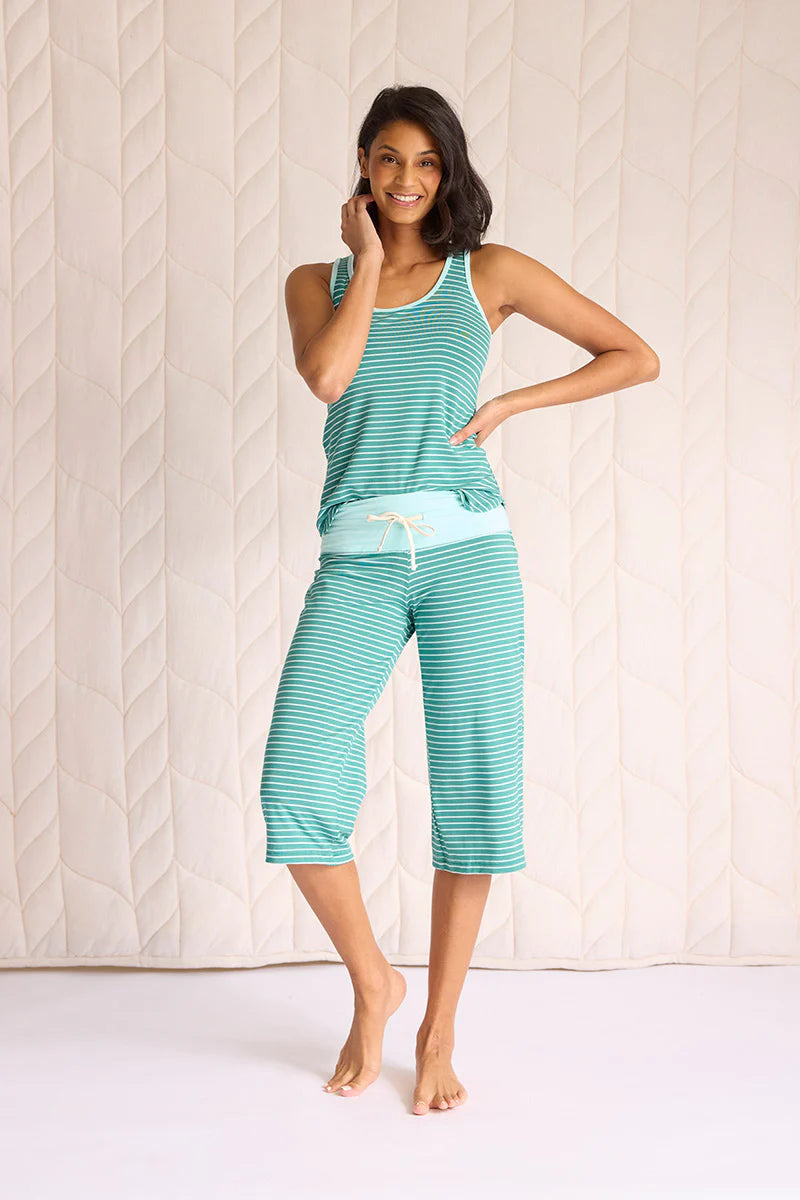
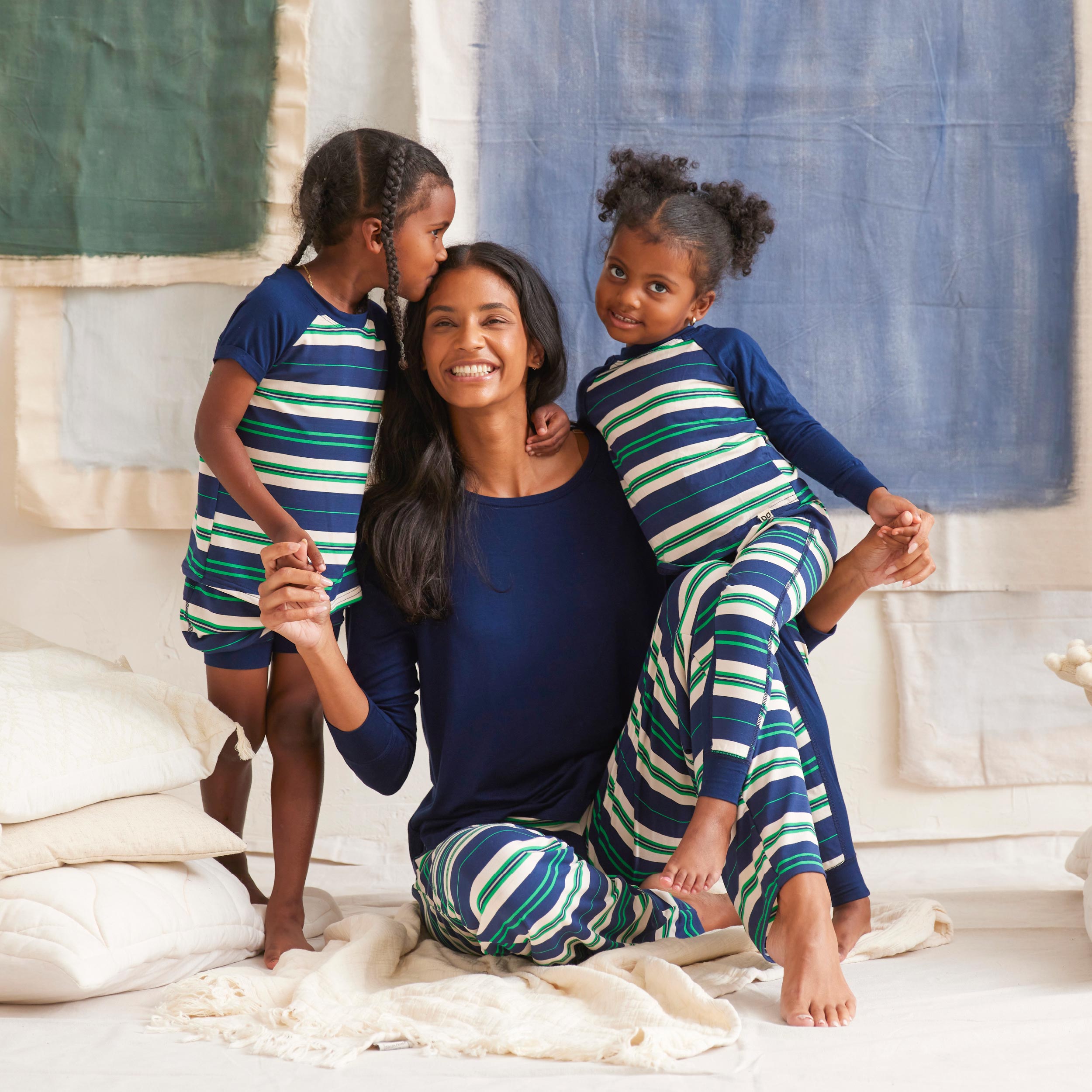



Bamboo Jammers are soft, breathable, and made from the viscose of bamboo plants. So you can be comfortable in your sleepwear while helping the planet when you go to bed. Bamboo sets are more environmentally friendly than synthetic pajamas. It may also involve incorporating sustainable textiles, reducing waste, and promoting green fashion.
Clothing is the second most polluting industry in the world, and Bamboo Jammers is part of the solution to sustainable clothing.
Environmental Footprint
When considering the environmental impact of our clothing, we could be like an onion with so many layers beneath the surface. Eco-friendly sleepwear, such as Bamboo Jammers, is a good alternative. They need fewer resources to make than synthetic materials. While it's great to feel better,but still equally important to do good for our ecosystems.
Water Usage in Production
One of the primary selling points for viscose made from bamboo is its high efficiency in water use. Material of Bamboo Jammers grows quickly with little irrigation beyond the rainfall. This contrasts with the situation for synthetic fabrics.
Where manufacturers, such as those producing polyester, use high water intensity and consume enormous amounts of this valuable resource. Bamboo Jammers oppose this idea. Every drop counts for water-scarce areas. Eco-friendly sleepwear contributes to a greener future by eliminating synthetic materials.
Carbon Emissions Comparison
Producing synthetic pajamas emits greenhouse gases. The carbon is attributed to the petroleum-based processes in manufacturing the fabric. Bamboo Jammers, along with other eco-friendly sleepwear products. It has a lower carbon footprint than alternatives.
When bamboo is harvested sustainably, theViscose from bamboo plant sequesters carbon from the atmosphere at a very high rate. These green fashion choices become stylish and vital for our fight against climate change.
Resource Renewal and Sustainability
Sustainable resources also have a use. Viscose from Bamboo, which grows rapidly and requires no pesticides or fertilizers, creating sustainable textiles that do not deplete the soil. Synthetic fabrics are manufactured from finite fossil fuels, exacerbating long-term environmental problems.
Your Bamboo Jammers live in a cycle of renewal within eco-responsible pajamas. It will becoming a fashion choice that restores rather than depletes. This brings us to what happens when these materials come toward the end of their life cycle and their potential for biodegradation.
Biodegradability
If you're wondering what happens when you throw your pajamas in the bin, biodegradability provides the answer. This is also why sustainable sleepwear is the best option for the planet. Bamboo Jammers feature a design that facilitates rapid decomposition, reducing landfill waste. Synthetics may need centuries to break down in landfills.
How Viscose from Bamboo Breaks Down
Bamboo Jammers are made from viscose derived bamboo. This is biodegradable in an appropriate environment. It returns completely to the earth. It does not just break down into microplastics. For degradation, polyester may require 200 years.
In short, by choosing eco-friendly sleepwear. You are selecting materials that are in harmony with nature's cycle and making small. Which sustainable fashion choices toward a cleaner planet for future generations. Biodegradable plastics decay naturally. Synthetic plastics persist across time.
The Longevity of Synthetics in Landfills
Synthetic pajamas, such as those made from polyester waste, that end up in landfills. Do not decompose easily and may leach toxic substances into the environment, harming wildlife and soil. So the next time you pass by the Bamboo Jammers or similar eco-friendly sleepwear, remember: biodegradable, sustainable textiles can cut waste within landfills and clean our closets and our conscience as well.
Aside from landfills, biodegradability also relates to pollution problems, especially in our oceans and waterways.
Impact on Ecosystems
Biodegradable sleepwear can decompose with a reduced environmental impact. Viscose from bamboo has no effect on animals or plant ecosystems. When it decomposes, unlike synthetic textiles, which can form microplastics. It is through Bamboo Jammers and similar environmentally conscious clothing. That we consider how we can help biodiversity by choosing fashion is more in harmony with the environment. Then, pivot our attention to addressing microplastics.
Reducing Microplastics
Microplastics are particles of plastic getting into our oceans, then our bodies. A major contributor to this is the washing of synthetic clothes. We reduce the impact of microplastics on the planet by sleeping in eco-friendly Bamboo Jammers.
The Problem with Synthetic Fabrics
Synthetic fibers significantly harm the environment. Comfortable pajamas, such as Bamboo Jammers, offer a more sustainable alternative to synthetic sleepwear.
-
Microplastics during laundry: The washing of synthetic pajama fabric releases thousands of fibers into the water supply. This pollutes oceans and weakens green fashion initiatives.
-
Marine Ecosystem Damage: These particles end up in the food chain. The particles include fish and fish habitats. The use of sustainable textiles is crucial for environmentally friendly sleepwear.
-
Synthetics pollute persistently. Synthetics last in the environment for much longer than viscose from bamboo and other materials.
Better substitutes that don't create this mess have been devised.
Benefits of Natural and Semi-Natural Alternatives
Eco-friendly sleepwear is commonly made from sustainable fabrics, such as viscose from bamboo, for example. These fabrics do not release microplastics into the water. Synthetic fabrics do. Bamboo Jammers offer soft, durable luxury in sustainable fabrics.
That means cleaner washing and cleaner oceans while you sleep. It's a win-win in personal comfort and planetary health. Learn how to maximize your benefits package. You must make them work for you.
Washing Tips to Minimize Release
To ensure the eco-friendly fabric of the Bamboo Jammers stays in top condition for as long as possible. Wash on a cold cycle, wash a full load together. Remember place synthetic clothes in a microplastic-catching laundry bag to minimize waste. Remember that it's not just about the fabric you choose but also your general habits for creating sustainable, green wardrobe behaviors.
Choosing Sustainable Sleepwear
Having done our part to understand the eco-benefits. Shall we now discuss how to shop with a conscientious mind for eco-friendly nightwear and a better world? The Bamboo Jammers make it easy to find a lifestyle that combines style and substance.
Identifying Ethical Brands
If you'd like to buy clothing from companies that openly disclose their materials and the sources of their materials. Consider companies that use responsibly sourced viscose from bamboo, such as our Bamboo Jammers at This is J.
Read our page to learn more about us. Transparency fosters trust, enabling you to make informed decisions about sustainable fashion choices. Once you've found those brands, the real difference is in the materials.
Key Materials to Look For
When choosing jammies, opt for those made from breathable viscose derived from bamboo (Bamboo Viscose). With good eco-credentials and minimal pure synthetic materials, and some with organic blends.
Eco-friendly sleepwear should be as comfortable for the planet as it is for your skin. That's why we love Bamboo Jammers. It's about making good choices, and ours are made to last. To bring it all home, consider how such decisions might fit within your daily life.
Integrating Green Choices into Your Wardrobe
Are you ready for the switch? Begin small with one set of pajamas. Swap them out for Bamboo Jammers (check out our collection at Shop Bamboo Jammers). Buy less but better.
Read the report, The State of Fashion 2025. Allow sleepwear to do good. Wearing eco-friendly sleepwear twists sustainable fabrics and green fashion into the fabric of life.
Ultimately, the Bamboo Jammers will help you rest easy in more ways than one. Buying green pajamas helps the planet and aids the green fashion movement. May sleep be sweet, and may future nights be more sustainable.